
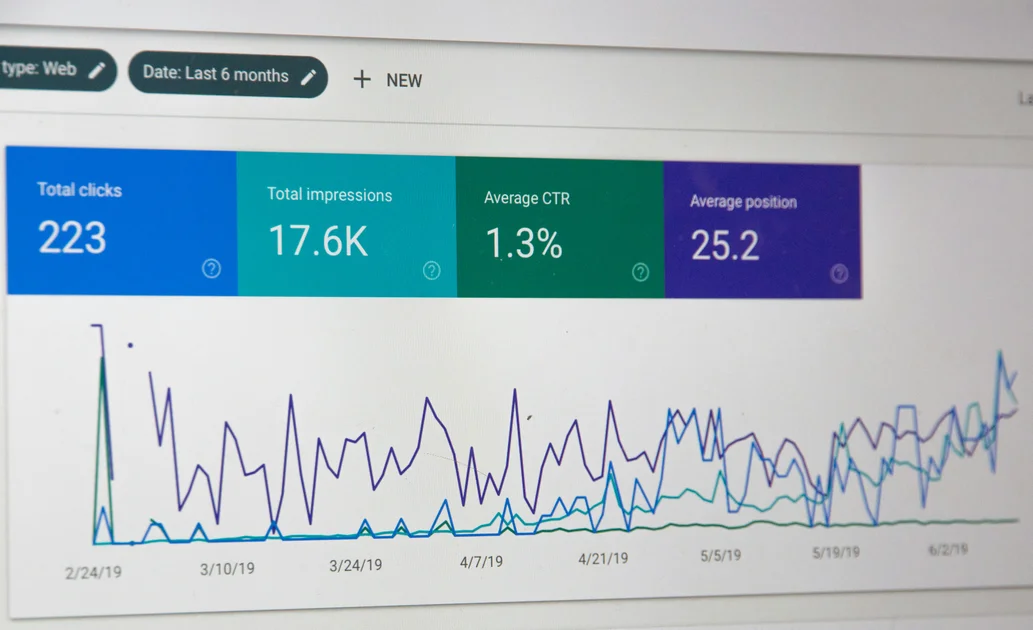
Lending analytics platforms have become the cornerstone of modern financial services in 2026, fundamentally altering how institutions evaluate borrower reliability and manage portfolio health. By leveraging sophisticated machine learning algorithms and massive alternative datasets, these platforms transform raw financial information into granular, actionable insights that minimize defaults and maximize overall profitability. The shift from traditional, static FICO-based models to multi-dimensional, real-time risk engines has allowed lenders to penetrate previously underserved markets while maintaining exceptionally healthy balance sheets. As we navigate the complex global economic landscape of 2026, the integration of real-time financial telemetry and predictive behavioral modeling ensures that approval decisions are faster, fairer, and more accurate than ever before. This article explores the deep technical and strategic impacts of these digital ecosystems on the global credit market and the evolving regulatory standards surrounding them.
The Evolution of Credit Risk Assessment in 2026
The landscape of credit risk assessment has undergone a radical transformation over the last decade, culminating in the hyper-efficient systems we see in 2026. Traditional credit scoring, which relied heavily on historical payment data and credit utilization ratios, often failed to capture the nuances of a borrower’s current financial health. Modern lending analytics platforms bridge this gap by incorporating thousands of data points, ranging from cash flow patterns in open banking APIs to professional stability indicators. This holistic view allows financial institutions to move away from “one-size-fits-all” credit products and instead offer personalized interest rates and terms that reflect the actual risk profile of the individual or business entity. Consequently, the industry has seen a significant reduction in non-performing loans (NPLs) across both consumer and commercial sectors.
Furthermore, the speed at which these assessments occur has shifted from days to milliseconds. In 2026, the competitive advantage for any lender lies in their ability to provide instantaneous decisions without compromising on security or risk tolerance. Advanced analytics engines utilize “warm” data—information that is updated in real-time as transactions occur—to provide a living credit score that adapts to the borrower’s life changes. This agility is particularly crucial during periods of economic volatility, where stale data from even three months ago could lead to catastrophic lending decisions. By using cloud-native infrastructure, platforms can scale their processing power to handle millions of simultaneous applications, ensuring that the credit pipeline remains fluid and responsive to market demands at any given moment.
Enhancing Approval Decisions with Machine Learning
Machine learning (ML) is the primary engine driving the superior performance of lending analytics platforms today. Unlike legacy linear regression models, modern ML models can identify non-linear relationships between variables that human analysts might never detect. For instance, an algorithm might find that a specific pattern of small-business inventory turnover, combined with regional economic indicators, is a better predictor of loan repayment than the business owner’s personal credit score. These deep learning architectures are trained on vast repositories of historical data, allowing them to “learn” from past defaults and successes to refine their predictive accuracy continuously. This iterative process ensures that the lending criteria remain relevant as consumer behaviors and economic conditions evolve in 2026.
Beyond simple binary approval or rejection, these platforms provide a nuanced “probability of default” (PD) and “loss given default” (LGD) for every applicant. This depth of analysis enables lenders to implement sophisticated risk-based pricing strategies. Instead of rejecting a borderline applicant, the platform might suggest an alternative loan structure with a higher interest rate or a requirement for additional collateral, effectively turning a “no” into a “yes” that is still profitable for the bank. According to research by the International Monetary Fund, the adoption of AI-driven credit models has significantly improved the financial inclusion of “credit-invisible” populations by identifying creditworthiness through non-traditional means. This shift not only benefits the bottom line but also contributes to broader socio-economic stability.
Data Integration and Real-Time Processing
The effectiveness of any lending analytics platform is directly proportional to the quality and variety of data it can ingest. In 2026, the integration of Open Banking protocols globally has paved the way for seamless data sharing between financial institutions and third-party providers. Platforms now pull data directly from bank accounts, payroll systems, and even e-commerce platforms to verify income and expenses with 100% accuracy. This eliminates the need for manual document uploads and the high risk of fraud associated with paper-based applications. By automating the verification process, lenders reduce their operational overhead and can pass those savings on to the consumer in the form of lower fees and more competitive interest rates.
Real-time processing also allows for proactive risk management after the loan has been disbursed. Lending analytics platforms do not stop their work at the point of approval; they monitor the borrower’s financial behavior throughout the lifecycle of the loan. If a platform detects a significant drop in a borrower’s cash reserves or a missed payment to another creditor, it can trigger an early warning signal for the lender’s collections department. This allows for early intervention, such as offering a loan modification or a temporary payment holiday, which is far more cost-effective than proceeding to a formal default or foreclosure. The ability to act on data in real-time is what separates the market leaders of 2026 from the legacy players of the past.
Alternative Data Sources for Better Scoring
One of the most significant breakthroughs in 2026 is the mainstream use of alternative data. This includes utility bill payments, rental histories, and even psychometric testing for micro-loans in emerging markets. These data points provide a much clearer picture of a borrower’s character and capacity to pay than traditional credit reports alone. For example, a young professional who has never had a credit card but has consistently paid high rent in a major city for five years is a low-risk candidate that traditional models would have ignored. Lending analytics platforms aggregate these disparate signals into a unified risk score, democratizing access to capital while maintaining strict institutional risk standards.
Pros and Cons Analysis
While lending analytics platforms offer undeniable advantages, it is essential to conduct a balanced evaluation of their impact on the financial ecosystem. The primary benefit is the dramatic increase in operational efficiency. By automating the heavy lifting of data collection and analysis, banks can process thousands of applications per hour with minimal human intervention. This leads to a better customer experience, as borrowers receive decisions in minutes rather than weeks. Additionally, the precision of these models allows for more accurate risk pricing, which protects the lender’s capital and ensures that borrowers are not over-leveraged based on inaccurate data. This precision is a key factor in the stability of the 2026 credit market.
However, there are notable drawbacks and challenges associated with these technologies. The “black box” nature of some advanced AI models can make it difficult for lenders to explain exactly why a loan was denied, which can lead to regulatory scrutiny and potential legal issues. Furthermore, there is the risk of “algorithmic bias,” where a model might inadvertently discriminate against certain demographic groups if the training data contains historical biases. Finally, the high cost of implementing and maintaining these platforms can be a barrier for smaller community banks and credit unions, potentially leading to a market where only the largest institutions can compete effectively. Security is another concern, as the aggregation of so much sensitive data makes these platforms high-value targets for cyber-attacks.
Comparing Modern Lending Analytics Platforms
The choice of a lending analytics platform depends on the specific needs of the institution, the target demographic, and the regulatory environment. Below is a comparison of the different categories of solutions available in 2026.
| Feature | Legacy Systems | Cloud-Native Platforms | 2026 Edge Solutions |
|---|---|---|---|
| Decision Speed | 3-5 Business Days | 1-2 Hours | Sub-Second (Instant) |
| Data Sources | Credit Bureaus Only | Bureaus + Open Banking | Full Telemetry + Alt-Data |
| AI Model Type | Linear Regression | Random Forest / XGBoost | Generative AI & Neural Nets |
| Risk Pricing | Tiered (Fixed) | Dynamic (Variable) | Hyper-Personalized |
| Compliance | Manual Audits | Automated Reporting | Embedded Explainable AI |
| Scalability | Limited by Hardware | High (Cloud-Based) | Infinite (Edge-Compute) |
Regulatory Compliance and Explainable AI (XAI)
In 2026, regulatory bodies like the Federal Reserve and the European Banking Authority have implemented strict guidelines on the use of AI in lending. The focus has shifted from merely having a high-performing model to having a “transparent” one. This has led to the rise of Explainable AI (XAI) within lending analytics platforms. XAI ensures that for every automated decision, the system can generate a human-readable report detailing the specific factors that led to that outcome. This is not only a regulatory requirement but also a trust-building measure for consumers. If a borrower understands that their high debt-to-income ratio was the primary reason for a rejection, they are more likely to take corrective action and return as a viable applicant in the future.
Moreover, compliance in 2026 is no longer a reactive process. Modern platforms feature “Compliance by Design,” where regulatory rules are baked directly into the code and updated automatically via regulatory technology (RegTech) feeds. This means that if a new law regarding interest rate caps or data privacy is passed, the platform can adjust its lending logic across the entire portfolio instantly. This level of automation reduces the risk of human error and protects institutions from massive fines. By maintaining a clear audit trail of every decision made by the AI, lenders can confidently defend their practices during audits and demonstrate their commitment to fair lending standards in an increasingly scrutinized global market.
Key Takeaways
- Lending analytics platforms in 2026 leverage real-time data to provide instant, accurate credit risk assessments.
- Machine learning models identify non-linear risk patterns that traditional scoring methods often overlook.
- Integration of alternative data sources, such as utility payments, improves financial inclusion for underserved populations.
- Explainable AI (XAI) is now a mandatory component for regulatory compliance and transparent decision-making.
- Risk-based pricing allows lenders to offer personalized terms, maximizing profitability while managing default risks.
- The transition to cloud-native and edge-computing solutions ensures infinite scalability for modern financial institutions.
Frequently Asked Questions
How do lending analytics platforms handle data privacy?
In 2026, these platforms utilize advanced encryption and federated learning techniques, allowing models to learn from data without ever actually seeing the raw personal information. This ensures compliance with global privacy laws like GDPR 2.0 and CCPA while still providing high-quality risk insights.
Can small banks afford these advanced analytics tools?
Yes, the rise of Software-as-a-Service (SaaS) models has made these tools accessible to smaller institutions. By paying a per-application fee rather than a massive upfront licensing cost, community banks can access the same level of technology as global giants.
What happens if the AI model makes a mistake?
Lending platforms include “human-in-the-loop” safeguards for high-value or complex loans. Additionally, XAI tools allow analysts to review and override automated decisions if they detect anomalies or errors in the model’s logic, ensuring a safety net for both the bank and the borrower.
Does using alternative data increase the risk of bias?
While alternative data provides a broader view, it requires careful curation. Modern platforms use bias-detection algorithms to scan training data for discriminatory patterns and sanitize the models before they go live, actively working to ensure fair lending practices.
How fast is the typical loan approval process in 2026?
For most consumer and small business loans, the process is now instantaneous. Once the borrower connects their financial data via an API, the lending analytics platform can complete the risk assessment and issue a binding offer in less than ten seconds.
Conclusion
The integration of lending analytics platforms has fundamentally redefined the relationship between risk and reward in the financial sector. By moving beyond the limitations of legacy credit scoring and embracing the power of real-time, multi-dimensional data, lenders in 2026 are better equipped to serve their customers while protecting their own stability. These platforms have not only improved the accuracy of approval decisions but have also fostered a more inclusive and transparent financial ecosystem. As technology continues to advance, the institutions that prioritize data-driven strategies and ethical AI implementation will lead the way in the next era of global finance.