Cloud Based Core Banking Systems for Small Financial Institutions

Implementing Cloud Based Core Banking Systems for Small Financial Institutions has become a strategic imperative in 2026 as legacy hardware fails to meet modern consumer demands. Smaller banks, credit unions, and community lenders face unprecedented pressure from agile fintech startups and digital-first neo-banks. Transitioning to cloud-native platforms allows these smaller players to level the playing … Read more


How Real Time Account Balance Synchronization Works Across Banking Channels

Understanding how real time account balance synchronization works across banking channels is essential for modern financial institutions aiming to deliver a seamless customer experience. In the highly competitive financial landscape of 2026, consumers expect their account balances to reflect transactions instantly, whether they are using a mobile app, withdrawing cash from an ATM, or making … Read more

Database Replication Techniques Used in Modern Banking Systems

Implementing robust Database Replication Techniques Used in Modern Banking Systems is critical for maintaining high availability, zero data loss, and strict regulatory compliance. In the fast-paced financial landscape of 2026, global financial institutions handle millions of concurrent transactions per second, requiring instant synchronization across geographically distributed data centers. Banking systems cannot afford even a single … Read more

Why Banking Microservices Architecture Improves Transaction Reliability

Banking microservices architecture improves transaction reliability by providing a more scalable and flexible system. In 2026, the financial sector is shifting towards this approach to enhance customer experience and reduce downtime. With microservices, banks can isolate issues and update specific services without affecting the entire system, resulting in higher overall system reliability. This leads to … Read more

How Distributed Ledger Technology Supports Internal Banking Operations

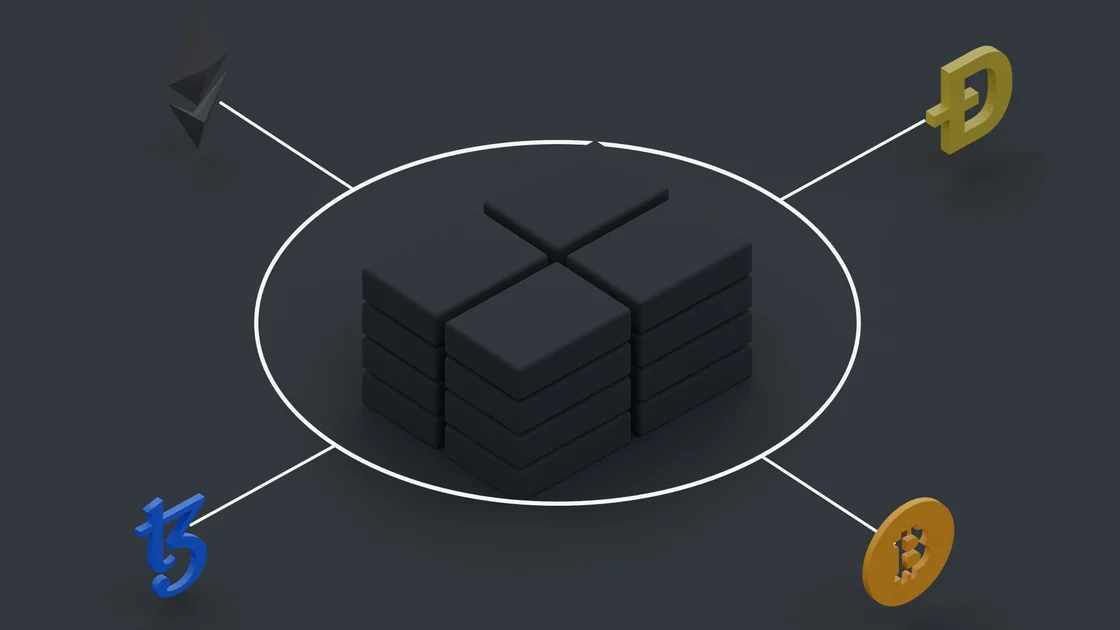
Distributed ledger technology, also known as blockchain, supports internal banking operations by providing a secure, transparent, and efficient way to manage financial transactions. In 2026, the use of distributed ledger technology has become increasingly popular among banks and financial institutions due to its ability to reduce costs, improve security, and enhance customer experience. As a … Read more

Secure API Gateway Management in Banking Transaction Networks

Secure API gateway management is crucial in banking transaction networks, as it ensures the protection of sensitive customer data and prevents unauthorized access to financial systems. In 2026, the importance of robust API security cannot be overstated, given the rising threat of cyberattacks and data breaches. A well-managed API gateway serves as a single entry … Read more

How Automated Bank Reconciliation Software Reduces Operational Errors

Automated bank reconciliation software reduces operational errors by streamlining the process of matching and reconciling bank statements with a company’s internal financial records. This is particularly important in 2026, as businesses face increasing pressure to maintain accurate and up-to-date financial records. By leveraging automated bank reconciliation software, companies can minimize the risk of human error, … Read more

Banking Message Queue Systems Explained for High Volume Transactions

Banking message queue systems play a crucial role in facilitating high volume transactions in the financial sector, enabling efficient and secure data exchange between various applications and services. In 2026, the demand for robust and scalable message queue systems has increased significantly, driven by the growing need for real-time transaction processing and instant payment settlements. … Read more

How Banks Handle Concurrent Transactions Without Data Conflicts

Handling concurrent transactions without data conflicts is a critical aspect of banking systems, as it ensures the accuracy and integrity of financial data. In 2026, banks are leveraging advanced technologies, such as cloud computing and artificial intelligence, to manage concurrent transactions efficiently. The use of distributed databases and multi-threading algorithms enables banks to process multiple … Read more

Real Time Banking Data Processing Architecture for Large Scale Operations

Real time banking data processing architecture for large scale operations is a critical component in today’s fast-paced financial industry, enabling banks to process high volumes of transactions quickly and efficiently. In 2026, the demand for real-time data processing has increased significantly, driven by the need for instant payment processing, fraud detection, and improved customer experience. … Read more