
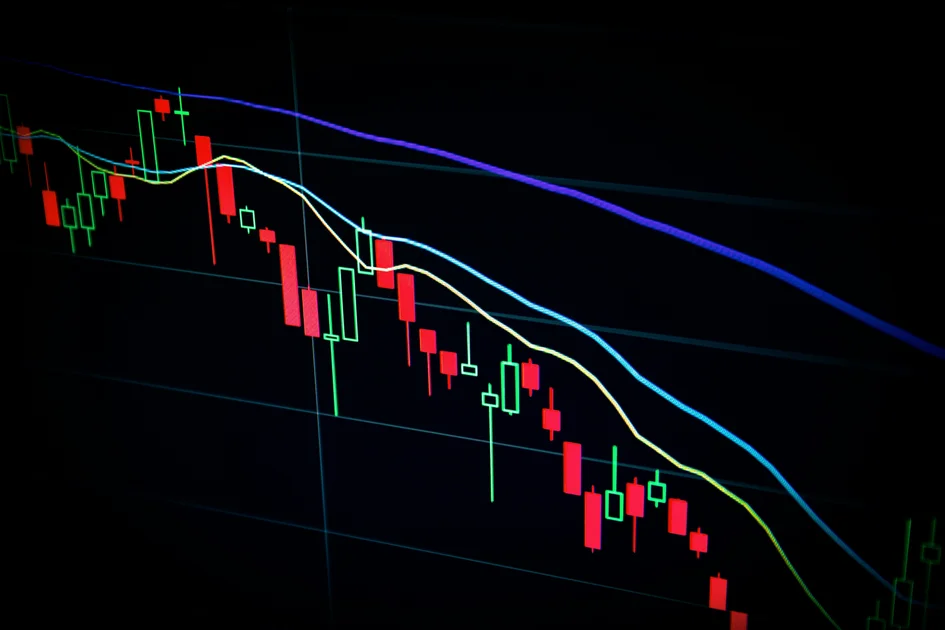
Automated investment rebalancing systems improve portfolio performance by systematically aligning asset allocations with a predetermined risk profile, effectively removing the emotional biases that often derail long-term wealth accumulation. In the volatile markets of 2026, where algorithmic trading and rapid macroeconomic shifts define daily fluctuations, relying on manual monitoring is no longer sufficient for the sophisticated investor. These systems utilize advanced software to monitor portfolios in real-time, executing trades only when pre-set thresholds are breached. By enforcing a disciplined “buy low, sell high” methodology through periodic adjustments, automated rebalancing minimizes tracking error and ensures that a portfolio does not drift into unintended risk territory. Investors who leverage these technological tools gain a significant edge by maintaining consistency, which is arguably the most critical component of compounding returns over multi-decade horizons.
The Mechanics of Automated Rebalancing
At its core, automated rebalancing functions as a strategic circuit breaker for your investment strategy. When a specific asset class outperforms the rest of your holdings, its weight within your portfolio grows, inadvertently increasing your exposure to that segment’s specific volatility. An automated system identifies this drift beyond a predefined percentage—such as a 5% deviation—and automatically executes orders to sell the overweighted assets and purchase the underweighted ones. This process forces the investor to harvest gains from winning positions and reinvest those proceeds into undervalued sectors, effectively preventing the portfolio from becoming overly concentrated in a single, potentially vulnerable area.
Modern platforms in 2026 have integrated tax-loss harvesting alongside rebalancing to maximize after-tax returns. While manual rebalancing often ignores the tax implications of selling positions, automated systems are built to prioritize tax efficiency, ensuring that the act of rebalancing does not trigger unnecessary capital gains taxes that could erode net performance. This dual-functionality—maintaining target allocations while optimizing for tax liabilities—represents a significant evolution in financial technology. By utilizing institutional-grade rebalancing engines, retail investors can now access the same sophisticated risk management techniques previously reserved for high-net-worth individuals and large-scale pension funds.
Comparison of Rebalancing Methodologies
| Feature | Manual Rebalancing | Threshold-Based | Calendar-Based |
|---|---|---|---|
| Execution Speed | Slow (Human-dependent) | Instant (Automated) | Scheduled (Intervals) |
| Emotion Bias | High (Risk of hesitation) | None (Algorithmic) | None (Algorithmic) |
| Tax Efficiency | Low (Manual oversight) | High (Tax-aware logic) | Moderate (Batch-based) |
| Monitoring Effort | High (Constant focus) | Low (Set and forget) | Low (Periodic) |
| Cost Efficiency | Variable (Trade fees) | Optimal (Optimized) | Moderate (Bulk trades) |
Cost & Pricing Breakdown
Understanding the economics of automated rebalancing is essential for long-term planning, as excessive fees can negate the performance gains achieved through better allocation. In 2026, most platforms have adopted a transparent, tiered fee structure that scales with the size of your assets under management or charges a flat subscription fee. It is important to look for platforms that include rebalancing within their base management fee rather than charging per-trade commissions, as frequent rebalancing could otherwise become cost-prohibitive.
- Entry-Level Platforms: Typically $0 to $5 per month for basic automated rebalancing features, often best for hobbyist investors.
- Mid-Tier Robo-Advisors: Usually charge between 0.20% and 0.35% of AUM, which includes tax-loss harvesting and automated rebalancing.
- Institutional-Grade Wealth Tech: Fees range from 0.40% to 0.75%, offering custom risk parameters and sophisticated tax-lot accounting for complex portfolios.
- Platform-Free Solutions: DIY algorithmic tools or open-source rebalancing scripts require zero monthly fees but necessitate technical maintenance.
Reducing Behavioral Finance Risks
The greatest adversary of the average investor is not the market itself, but their own psychological response to market movements. During periods of extreme market exuberance, humans are prone to “recency bias,” where they aggressively increase exposure to winning assets, often just before a correction occurs. Conversely, during market downturns, the fear of further losses leads many to liquidate their holdings at the bottom, locking in permanent losses. Automated systems act as an emotional buffer, executing the necessary trades regardless of the current news cycle or prevailing market sentiment.
By delegating the responsibility of rebalancing to an algorithm, investors remove the temptation to “time the market” or second-guess their long-term strategy. This removes the decision-making fatigue that often leads to poor performance during volatile windows. According to research from Investor.gov, maintaining a disciplined investment process is highly correlated with achieving long-term financial goals, regardless of the specific assets chosen. An automated system provides the structural integrity required to stick to that discipline, turning a potentially chaotic experience into a predictable, mechanical process that functions in the background of your financial life.
The Role of Drift Tolerance
Setting the correct drift tolerance is a nuanced exercise in balancing efficiency and cost. If the tolerance is set too narrowly, the system may trigger trades too frequently, leading to excessive transaction costs and potential tax events. If the tolerance is too wide, the portfolio may remain skewed for extended periods, exposing the investor to unintended risk. Most experts in 2026 suggest a drift threshold between 5% and 10% for the core asset classes, ensuring that trades only occur when the portfolio has meaningfully deviated from its intended risk profile.
Tax-Efficient Performance Optimization
Automated rebalancing systems are increasingly designed to be “tax-aware,” meaning they prioritize selling assets with the lowest tax impact before moving to positions that would trigger significant capital gains. This is a critical development for 2026, where tax-bracket management has become a sophisticated pillar of wealth preservation. By utilizing lot-specific identification, these systems can select shares with the highest cost basis, thereby minimizing the taxable event while still achieving the desired rebalancing effect. This layer of intelligence ensures that the portfolio’s net-of-tax return is maximized.
Furthermore, many automated platforms now integrate “smart rebalancing,” which uses inflows of cash—such as dividends or periodic contributions—to rebalance the portfolio without selling existing positions. This approach is highly efficient, as it corrects asset weightings using new capital rather than liquidating existing assets. By reducing the number of sell orders, the system preserves the growth potential of long-term holdings while keeping the overall allocation aligned with the investor’s goals. This seamless integration of cash management and rebalancing is a hallmark of the modern, automated wealth management landscape.
Scalability and Complexity Management
As an investor’s net worth grows, their portfolio often becomes more complex, incorporating a wider array of asset classes, such as international equities, alternative investments, and fixed-income tiers. Managing this complexity manually is a daunting task that increases the likelihood of human error. Automated systems scale effortlessly with portfolio size, handling hundreds of individual holdings across multiple accounts with the same precision as a single-fund portfolio. This scalability allows investors to maintain a cohesive, global strategy across their retirement accounts, brokerage accounts, and trust structures.
In 2026, the integration of cross-account rebalancing has become a standard feature for advanced automated systems. This technology looks at all of your accounts as a single, unified portfolio, ensuring that rebalancing trades are executed in the most tax-advantaged locations first. For instance, if a portfolio needs to sell an asset to rebalance, the system will look for that asset within a tax-deferred IRA before looking at a taxable brokerage account. This high-level coordination is nearly impossible to achieve manually, providing a significant competitive advantage in terms of both performance and tax optimization.
Key Takeaways
- Automated rebalancing enforces discipline by removing emotional decision-making from the investment process.
- Modern systems incorporate tax-loss harvesting to improve after-tax performance and overall wealth retention.
- Setting appropriate drift thresholds is vital to balance transaction costs with target asset allocation.
- Platforms in 2026 utilize smart cash management to rebalance using new capital, minimizing taxable liquidations.
- Cross-account coordination allows for a unified strategy that optimizes tax liabilities across various account types.
- Systematic rebalancing ensures that portfolios do not drift into unintended risk profiles during volatile market cycles.
Frequently Asked Questions
What is the ideal frequency for automated rebalancing?
Most experts recommend a threshold-based approach rather than a time-based one, as it triggers rebalancing only when the portfolio drifts significantly, typically between 5% and 10%, ensuring efficiency.
Does automated rebalancing guarantee higher returns?
While no system can guarantee returns, rebalancing is statistically proven to reduce risk and prevent the “buy high, sell low” trap, which historically contributes to superior long-term performance.
Is automated rebalancing suitable for beginners?
Yes, automated rebalancing is highly beneficial for beginners as it removes the stress of monitoring market fluctuations and ensures that their long-term asset allocation remains on track automatically.
Can I customize my rebalancing settings?
Most advanced platforms offer significant customization, allowing users to define their target asset allocations, set custom drift thresholds, and even exclude specific assets from the rebalancing process.
How does tax-loss harvesting work with rebalancing?
Tax-loss harvesting identifies losing positions to offset capital gains, while rebalancing adjusts asset weights; modern automated systems perform both simultaneously to optimize for both risk and tax efficiency.
Conclusion
Incorporating automated investment rebalancing systems into your portfolio management strategy is a definitive step toward professionalizing your approach to wealth creation in 2026. By removing the emotional burdens of market volatility and ensuring consistent adherence to a strategic allocation, these tools provide a structural advantage that manual monitoring simply cannot match. Whether you are a retail investor or managing complex, multi-account portfolios, the precision, tax-efficiency, and scalability offered by modern automation are indispensable. Embracing these technological advancements allows you to focus on your long-term objectives, confident that your portfolio is being managed with disciplined, data-driven rigor.