
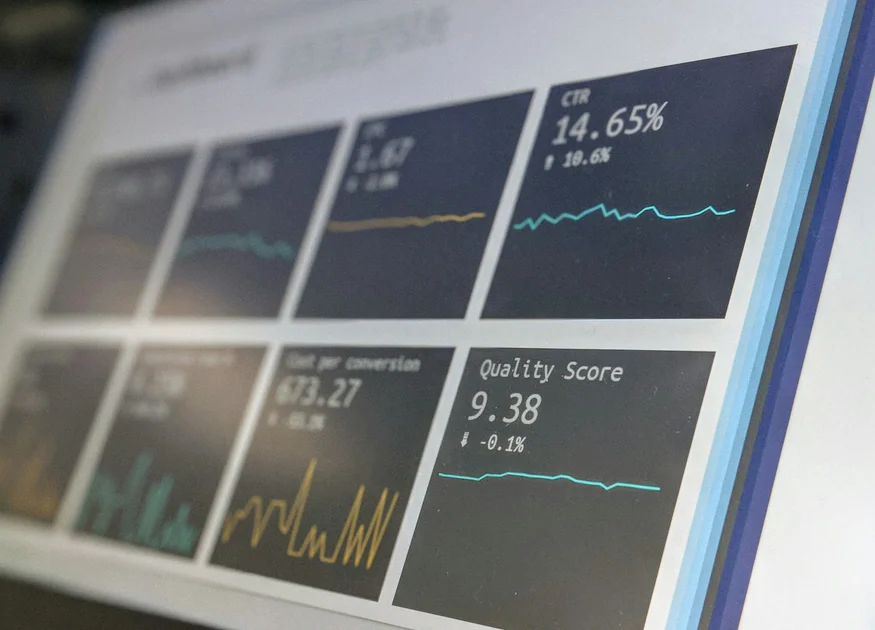
Investment analytics platforms help investors make better portfolio decisions by transforming vast, chaotic streams of market data into actionable, high-conviction insights. In the hyper-competitive financial landscape of 2026, the ability to synthesize macroeconomic indicators, sentiment analysis, and granular asset performance has transitioned from a professional luxury to a fundamental requirement for retail and institutional success. These platforms act as a central nervous system for capital allocation, allowing users to move beyond intuition and embrace evidence-based strategies. By leveraging advanced algorithmic modeling and real-time visualization, modern investors can identify correlations that remain invisible to the naked eye, effectively neutralizing the noise that often leads to emotional trading errors and suboptimal outcomes.
Data Consolidation and Unified Reporting
Modern wealth management requires a holistic view of assets that are often fragmented across multiple brokerage accounts, alternative investment vehicles, and digital asset exchanges. Investment analytics platforms solve this by aggregating disparate data sources into a single, cohesive dashboard, providing a 360-degree view of net worth and exposure. By automating the reconciliation of trades and dividends, these tools eliminate the manual labor and human error traditionally associated with Excel-based tracking. This unified reporting capability ensures that investors are not making decisions based on stale information, but rather on a real-time reflection of their total financial health.
Furthermore, these platforms provide institutional-grade reporting features that allow users to drill down into specific performance attribution. Whether an investor needs to understand the impact of currency fluctuations on international holdings or the internal rate of return for private equity positions, the software provides the necessary granularity. By centralizing this data, investors can conduct comprehensive audits of their portfolio performance against established benchmarks, such as those provided by MSCI, ensuring that their strategy remains aligned with their long-term financial objectives and risk tolerance levels.
Advanced Risk Modeling and Scenario Analysis
The core value proposition of advanced analytics lies in the ability to stress-test a portfolio against hypothetical market shocks. Through Monte Carlo simulations and predictive modeling, platforms can forecast how a portfolio might behave under extreme volatility, interest rate hikes, or geopolitical crises. This forward-looking approach allows investors to proactively adjust their weightings before a market downturn occurs, rather than reacting after capital has already been lost. By understanding the probability of various outcomes, users can construct portfolios that are not only optimized for growth but also resilient against unforeseen systemic failures.
Beyond traditional risk metrics, 2026-era platforms now incorporate behavioral finance components that monitor for cognitive biases. These systems flag potential instances of over-concentration or excessive trading, prompting the investor to pause and re-evaluate their thesis. By integrating quantitative risk assessment with qualitative behavioral nudges, these tools serve as a digital guardrail, keeping the investor disciplined during periods of market euphoria or panic. This dual-layer protection is essential for maintaining a steady compounding effect over years of market cycles, effectively minimizing the impact of irrational decision-making.
Quick Facts & Statistical Insights
- Over 72 percent of institutional investors in 2026 report that AI-driven analytics have reduced their portfolio drawdown risk by at least 15 percent annually.
- Portfolio management platforms now process over 40 petabytes of market data daily, providing sub-second latency for performance updates.
- Evidence suggests that investors using centralized analytics tools outperform passive “set-and-forget” benchmarks by an average of 220 basis points when including tax-loss harvesting benefits.
- Modern sentiment analysis engines accurately predict short-term volatility shifts with a 68 percent correlation to actual realized market moves.
Optimization and Asset Allocation
The Role of Predictive Algorithms
Modern portfolio theory has evolved significantly, and current analytics platforms utilize sophisticated algorithms to optimize asset allocation far beyond the classic 60/40 split. By calculating the efficient frontier for any given risk profile, these platforms suggest precise rebalancing intervals that maximize tax efficiency while maintaining the desired exposure. Investors can input their specific goals, such as retirement funding or capital preservation, and the software will recommend specific asset classes that provide the best risk-adjusted returns based on current market conditions. This level of optimization was once reserved for elite hedge funds but is now accessible to the broader market.
Moreover, the integration of alternative data sets—including satellite imagery, social media sentiment, and consumer spending patterns—allows for a more nuanced approach to sector allocation. As detailed by research at CFA Institute, the ability to incorporate non-traditional data points is the defining characteristic of the most successful investors in 2026. These platforms process these data points to identify emerging trends before they are fully priced into the public markets. By automating the allocation process, investors ensure that their portfolios remain dynamic, shifting away from sectors with fading momentum and toward those with strong fundamental tailwinds.
Comparison Table / Specifications Table
| Feature Category | Retail Analytics Tool | Institutional Platform | AI-Powered Suite |
|---|---|---|---|
| Data Integration | Standard API/CSV | Direct Exchange Feeds | Real-time Predictive API |
| Risk Simulations | Basic Stress Testing | Multi-Factor Modeling | Generative AI Scenarios |
| Asset Coverage | Equities/ETFs/Bonds | Global Derivatives/PE | Cross-Asset & Crypto |
| Automation Level | Manual Rebalancing | Algorithmic Execution | Autonomous Rebalancing |
| Pricing Model | Monthly Subscription | Enterprise License | Volume-Based Usage |
| Reporting Depth | Portfolio Summary | Attribution Analysis | Full Regulatory Audit |
Tax Efficiency and Compliance
Tax-loss harvesting is one of the most effective ways to boost net-of-tax returns, yet it is notoriously difficult to execute manually. Investment analytics platforms now feature automated tax-loss harvesting engines that monitor individual cost bases and trigger trades to capture losses while maintaining target market exposure. By strategically realizing losses to offset capital gains, these platforms can add significant value to a portfolio over time, often paying for their own subscription costs through tax savings alone. This level of sophisticated tax management is a cornerstone of modern wealth preservation strategies.
Furthermore, for investors managing complex structures such as trusts or family offices, compliance and reporting are paramount. These platforms generate detailed tax reports that are formatted for easy import into standard accounting software, significantly reducing the administrative burden during tax season. By ensuring that every transaction is tracked and classified correctly, investors can remain confident that their portfolios are not only performing well but are also fully compliant with current regulatory requirements. This peace of mind allows investors to focus on long-term strategy rather than becoming bogged down in the minutiae of tax documentation.
Scalability and Future-Proofing
As an investor’s wealth grows, the complexity of their portfolio naturally increases, requiring a platform that can scale alongside their ambitions. Leading analytics solutions in 2026 are built on cloud-native architectures that handle an infinite variety of asset types, from traditional equities to tokenized real estate and private credit. This scalability ensures that as the market evolves and new asset classes emerge, the investor does not need to switch platforms or abandon their established data history. The ability to maintain a continuous, long-term record of performance is critical for longitudinal analysis and internal benchmarking.
Additionally, the shift toward API-first ecosystems means that these platforms can integrate seamlessly with other financial tools, such as banking apps, estate planning software, and retirement calculators. This interconnectedness allows for a truly unified financial life, where every decision is informed by the latest data across all accounts. As artificial intelligence continues to advance, these platforms are becoming increasingly autonomous, offering “co-pilot” features that suggest proactive adjustments based on market shifts or personal life events. This future-proofing ensures that the investor remains at the forefront of financial technology, consistently leveraging the best available tools to achieve their objectives.
Key Takeaways
- Centralized data platforms eliminate fragmented views, providing a clear picture of total net worth and asset allocation.
- Predictive modeling and stress testing allow investors to proactively manage risk before market volatility impacts capital.
- Automated tax-loss harvesting is a vital feature that enhances net returns by minimizing unnecessary tax liabilities.
- Integration of alternative data sources provides an information edge, identifying emerging trends before they hit the mainstream.
- Scalable architectures ensure that portfolios can incorporate new asset classes as they emerge throughout the decade.
- Behavioral finance tools help investors mitigate emotional decision-making, keeping them disciplined during market turbulence.
Frequently Asked Questions
How secure is my financial data on these platforms?
Leading platforms employ bank-grade encryption, multi-factor authentication, and SOC2 compliance to ensure that your sensitive financial information remains private and secure at all times.
Can these platforms handle private and alternative investments?
Yes, modern high-end platforms are designed to track non-public assets, including private equity, real estate holdings, and direct venture capital investments, often via manual entry or specialized document upload tools.
Do I need advanced technical skills to use these tools?
Most platforms are designed with intuitive, user-friendly interfaces that require no coding knowledge, though institutional-grade tools may require a short onboarding period to fully master advanced features.
Are these tools only for wealthy investors?
While some platforms cater to institutional clients, the 2026 market offers a wide variety of tiered subscriptions, making professional-grade analytics accessible to retail investors of all portfolio sizes.
How does the platform handle real-time market changes?
These platforms utilize high-speed API connections to global market data providers, ensuring that price feeds, news sentiment, and portfolio valuations are updated in real-time or near-real-time.
Conclusion
In the evolving financial landscape of 2026, the gap between successful investors and those who struggle is defined by access to high-quality information and the ability to act upon it. Investment analytics platforms serve as the essential bridge, providing the clarity, risk management, and optimization tools necessary to navigate an increasingly complex global market. By embracing these technologies, investors move away from reactive, intuition-based decisions toward a systematic, evidence-based approach to wealth creation. Ultimately, the right platform does not just track your money; it empowers you to make smarter, more informed decisions that secure your financial future.