
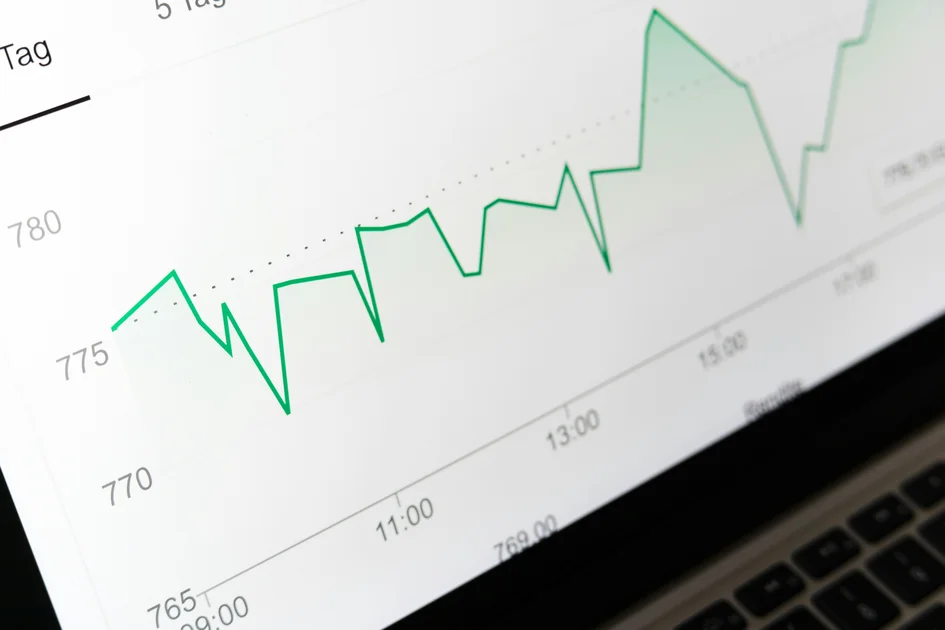
Investment data visualization tools have fundamentally transformed how institutional and retail investors navigate the complexities of modern financial markets in 2026. By translating vast, unstructured datasets into intuitive graphical representations, these platforms allow stakeholders to identify hidden correlations, monitor portfolio risk, and execute trades with unprecedented precision. As global markets become increasingly volatile, the ability to synthesize real-time information into actionable insights is no longer a luxury but a fundamental necessity for maintaining a competitive edge. This evolution in fintech ensures that complex quantitative models are accessible to decision-makers who require clarity amidst the noise of high-frequency trading and rapid macroeconomic shifts. Leveraging advanced visual analytics enables firms to shift from reactive postures to proactive strategies, ultimately fostering better capital allocation and long-term wealth preservation in an era of digital-first financial management.
Cognitive Efficiency and Data Processing
The human brain is biologically hardwired to process visual stimuli significantly faster than raw numerical tables or spreadsheets. In the context of 2026 financial analysis, investment data visualization tools leverage this cognitive efficiency to help portfolio managers digest thousands of data points simultaneously. When a fund manager views a heat map of sectoral performance or a dynamic scatter plot of risk-adjusted returns, they can instantly recognize outliers that might have remained buried in a traditional ledger. This rapid pattern recognition reduces the time required for mental synthesis, allowing experts to focus their cognitive bandwidth on high-level strategy rather than rudimentary data digestion.
Furthermore, these tools mitigate the risks associated with cognitive biases that often plague financial decision-making. By presenting data through standardized visual frameworks, platforms reduce the propensity for confirmation bias or anchoring, which frequently occur when analysts manually manipulate spreadsheets. When the data is visualized objectively, the narrative shifts from subjective interpretation to empirical observation. This transition promotes a culture of accountability and evidence-based decision-making within investment committees, ensuring that every asset allocation choice is backed by a transparent and easily communicable visual foundation that supports the firm’s fiduciary responsibilities to its clients.
Advanced Trend Detection and Forecasting
Moving beyond static historical analysis, modern visualization suites incorporate predictive modeling overlays that turn historical trends into forward-looking projections. By utilizing sophisticated charting libraries and machine learning integration, investors can visualize future scenarios based on current volatility clusters and liquidity signals. For instance, a trader monitoring a multi-asset portfolio can see how a hypothetical interest rate hike in 2026 might impact various asset classes, represented through interactive sensitivity analysis charts. This capability is vital for managing tail risk, as it allows for the simulation of stress tests that highlight potential vulnerabilities long before they manifest as actual capital losses.
Technical Integration and Data Sources
The efficacy of these tools relies heavily on the quality and frequency of the underlying data feeds. By integrating directly with APIs from market leaders like Bloomberg or Reuters, visualization platforms ensure that the charts displayed are reflective of the most current market tick data. This seamless connectivity eliminates the latency that occurs when analysts manually update reports. Furthermore, the ability to overlay sentiment analysis from social media and news aggregators onto price charts provides a holistic view of the market. This multidimensional approach allows investors to correlate price movements with public perception, offering a more nuanced understanding of why specific assets are trending in particular directions.
Pros and Cons Analysis
The adoption of sophisticated visualization software presents a unique set of advantages and challenges for financial firms. On the positive side, these tools provide unparalleled clarity, allowing for the rapid identification of complex market relationships. They democratize data access, enabling non-technical stakeholders to participate in strategic discussions by providing them with legible, interactive dashboards. Moreover, the automation of reporting cycles significantly reduces human error, ensuring that the firm operates on a “single source of truth” that is constantly updated. This creates a streamlined workflow that maximizes operational efficiency and allows investment teams to scale their research capabilities without necessarily increasing their headcount.
Conversely, there are notable drawbacks that firms must address during implementation. Over-reliance on visual dashboards can occasionally lead to “analysis paralysis,” where users spend more time customizing widgets than executing trades. There is also the risk of visual misrepresentation; if the underlying data is skewed or the chart parameters are set incorrectly, the visualization might present a misleading picture, leading to poor investment outcomes. Furthermore, the high costs associated with premium software licenses and the technical expertise required for staff training can be a barrier for smaller firms. Balancing these technological investments against internal budget constraints is a critical challenge for leadership in 2026.
Comparison Table / Specifications Table
| Feature | Enterprise Dashboard | Open Source Library | Cloud-Native SaaS |
|---|---|---|---|
| Customization | High (Proprietary) | Unlimited (Code-based) | Moderate (Drag-drop) |
| Ease of Use | Expert-focused | Developer-required | High (Intuitive) |
| Data Security | Military-grade (On-prem) | User-managed | Enterprise-standard (Cloud) |
| Integration | Native API/ERP | Manual/Custom | Third-party Plug-ins |
| Scalability | High | Infinite | High |
| Cost Structure | Subscription/License | Free (High Labor) | Pay-per-user |
Risk Management and Regulatory Compliance
In the regulatory environment of 2026, transparency is paramount. Visualization tools provide an audit trail that is essential for compliance departments. By logging every modification made to a dashboard or a data view, firms can demonstrate to regulators exactly how a specific decision was reached and what data was available at that moment in time. This historical logging capability acts as a safeguard against claims of negligence or market manipulation. When analysts can show the exact charts and data sets that informed a trade, the burden of proving compliance becomes significantly lighter, protecting both the individual investor and the institution from costly legal challenges and reputational damage.
Risk management is also enhanced through real-time monitoring of exposure limits. Visualization dashboards can be programmed to alert managers visually—through color-coded warnings or automated pop-ups—when a portfolio drifts outside of its mandated risk parameters. For example, if a currency hedge falls below a required threshold, the dashboard can highlight the specific asset in red, prompting immediate action. This real-time visual feedback loop prevents the silent accumulation of risk, which is often the precursor to major financial failures. By turning risk management into an active, visual process, firms can maintain stricter adherence to their internal investment mandates and external regulatory requirements.
Market Democratization and Transparency
The widespread adoption of these tools has significantly narrowed the gap between institutional powerhouses and individual investors. In 2026, retail platforms offer visualization features that were previously only available to high-frequency trading desks. This democratization fosters a more transparent market where investors at all levels can perform deep-dive research into company financials, macroeconomic trends, and asset correlations. When information is visualized clearly, it becomes easier for the average investor to understand the risks of complex financial products, leading to more informed participation in global markets and a healthier, more robust financial ecosystem overall.
This increased transparency also forces market participants to be more disciplined. When performance data is publicly visible and easily comparable via interactive charts, underperforming managers are quickly identified. This creates a competitive pressure that drives better outcomes for the end client. As more market participants utilize these tools, the collective intelligence of the market increases, leading to more efficient price discovery and reduced volatility caused by information asymmetry. Ultimately, the shift toward visual data consumption is contributing to a more stable and efficient global financial system, where decisions are made based on clear, verifiable information rather than opaque, fragmented reports.
Key Takeaways
- Visualizing data accelerates cognitive processing and improves the speed of high-stakes decision-making.
- Advanced tools reduce the prevalence of cognitive biases like anchoring and confirmation bias in investment research.
- Predictive analytics overlays allow for proactive stress testing and better management of tail risk.
- Regulatory compliance is simplified through detailed audit trails and transparent, loggable data views.
- Modern software integration ensures real-time accuracy, reducing latency and operational risk in trading workflows.
- Market democratization through visual tools creates a more efficient and transparent global financial environment.
Frequently Asked Questions
How do visual tools reduce human error?
Visualization tools automate data aggregation and standardization, removing the manual spreadsheet errors that often occur when analysts manipulate raw market data, thereby ensuring consistency.
Are these tools secure for sensitive data?
Most enterprise-grade visualization platforms in 2026 offer end-to-end encryption, multi-factor authentication, and on-premise hosting options to ensure that proprietary financial data remains protected.
Do I need coding skills to use these tools?
While some open-source libraries require coding, the majority of modern financial visualization platforms offer intuitive, drag-and-drop interfaces designed for non-technical investment professionals.
Can visualization tools predict future market crashes?
While they cannot predict the future with 100% certainty, they allow for complex stress-testing and scenario analysis that can highlight vulnerabilities before a potential market downturn occurs.
How do these tools improve team collaboration?
Interactive dashboards provide a shared, real-time view of data, ensuring that every team member is looking at the same information, which reduces communication silos and speeds up consensus.
Conclusion
In the sophisticated financial landscape of 2026, the integration of investment data visualization tools is no longer optional; it is a vital component of successful asset management. By converting the overwhelming volume of market data into clear, actionable visual intelligence, these platforms empower professionals to make faster, more objective, and highly informed decisions. Whether for identifying emerging trends or ensuring strict regulatory compliance, the benefits of visual analytics are profound. As technology continues to evolve, the firms that master these digital tools will undoubtedly define the next generation of financial performance and market leadership.