
Payment switching network architecture is a critical component of the banking and fintech ecosystem in 2026, enabling seamless and efficient transactions. As a professional in the field, understanding the intricacies of this architecture is essential for designing and implementing effective payment systems. According to a report by Mastercard, the global payment processing market is projected to reach $1.4 trillion by the end of 2026. In this article, we will delve into the world of payment switching network architecture, exploring its key components, benefits, and challenges.
Introduction to Switching
A payment switch is a system that facilitates the exchange of financial transactions between different banks, financial institutions, and payment processors. It acts as an intermediary, routing transactions between the originating bank and the destination bank, and facilitating the exchange of funds. The payment switch is responsible for ensuring that transactions are processed accurately, securely, and in a timely manner.
The payment switching network architecture is designed to handle a large volume of transactions, providing scalability, reliability, and security. It consists of several key components, including the switch, the payment gateway, and the clearing and settlement system. Each component plays a critical role in the payment processing cycle, and understanding their functions is essential for building an effective payment system.
Key Components
The payment switch is the core component of the payment switching network architecture, responsible for routing transactions between different banks and financial institutions. It receives transaction requests from the originating bank, verifies the transaction details, and forwards the request to the destination bank for processing.
The payment gateway is another critical component, providing a secure interface for merchants to submit transaction requests to the payment switch. It enables merchants to accept a wide range of payment methods, including credit cards, debit cards, and digital wallets. The payment gateway also provides tokenization and encryption services, ensuring the security and integrity of sensitive payment information.
Network Architecture
The payment switching network architecture is designed to provide a high degree of scalability, reliability, and security. It consists of a network of interconnected switches, payment gateways, and clearing and settlement systems. Each component is designed to work together seamlessly, providing a seamless and efficient payment processing experience.
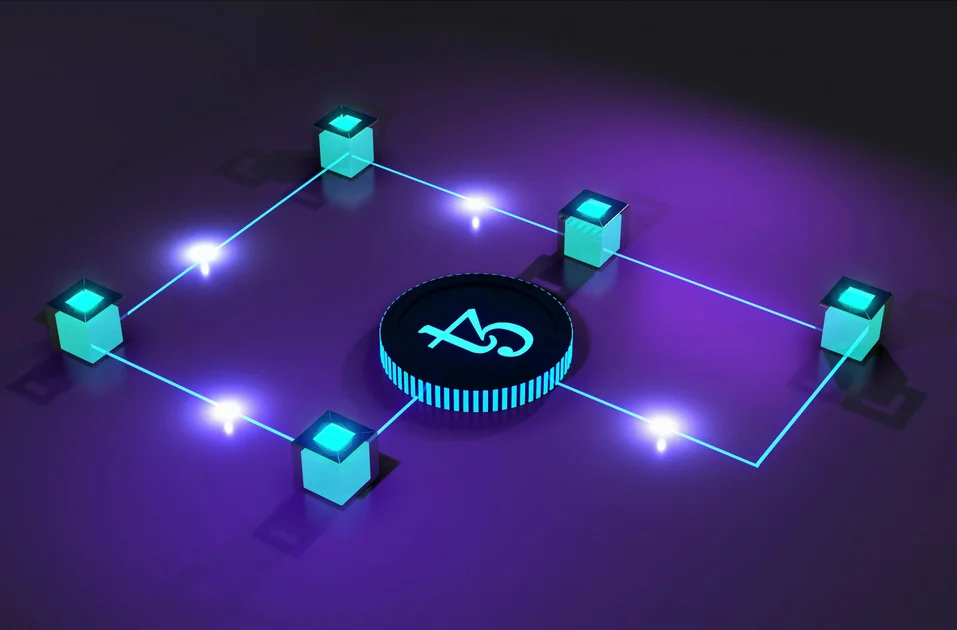
The network architecture is typically based on a hub-and-spoke model, with the payment switch acting as the central hub. The payment gateways and clearing and settlement systems are connected to the payment switch, providing a secure and reliable interface for processing transactions.
Security Considerations
Security is a critical consideration in the payment switching network architecture, as sensitive payment information is being transmitted and processed. The payment switch and payment gateway must be designed to provide a high level of security, using advanced encryption and tokenization techniques to protect sensitive payment information.
Comparison Table / Specifications Table
The following table compares the key features and specifications of different payment switching network architectures:
| Feature | Option A | Option B | Notes |
|---|---|---|---|
| Payment Switch | Centralized | Distributed | Centralized switches provide a higher degree of control and security, while distributed switches offer greater scalability and flexibility. |
| Payment Gateway | Hosted | Self-Hosted | Hosted payment gateways provide a secure and reliable interface for merchants, while self-hosted gateways offer greater customization and control. |
| Clearing and Settlement | Real-Time | Batch Processing | Real-time clearing and settlement provides a faster and more efficient payment processing experience, while batch processing offers greater cost savings and scalability. |
| Security | Encryption | Tokenization | Encryption provides a high level of security for sensitive payment information, while tokenization offers greater flexibility and convenience. |
| Scalability | Horizontal | Vertical | Horizontal scalability provides greater flexibility and cost savings, while vertical scalability offers greater performance and reliability. |
Pros and Cons Analysis
The payment switching network architecture offers several benefits, including scalability, reliability, and security. It provides a high degree of flexibility and customization, enabling merchants to accept a wide range of payment methods and provide a seamless payment processing experience to their customers.
However, the payment switching network architecture also has several drawbacks, including complexity and cost. Implementing and maintaining a payment switching network architecture can be a complex and time-consuming process, requiring significant expertise and resources. Additionally, the cost of implementing and maintaining a payment switching network architecture can be high, making it challenging for small and medium-sized businesses to adopt.
According to a report by Visa, the payment switching network architecture is expected to play a critical role in the growth of the digital payments market in 2026. As the market continues to evolve, it is essential for businesses to understand the pros and cons of the payment switching network architecture and to develop effective strategies for implementing and maintaining these systems.
Key Takeaways
- The payment switching network architecture is a critical component of the banking and fintech ecosystem in 2026.
- The payment switch, payment gateway, and clearing and settlement system are key components of the payment switching network architecture.
- The payment switching network architecture provides a high degree of scalability, reliability, and security.
- Security is a critical consideration in the payment switching network architecture, requiring advanced encryption and tokenization techniques.
- The payment switching network architecture offers several benefits, including flexibility and customization, but also has several drawbacks, including complexity and cost.
Frequently Asked Questions
What is a payment switch?
A payment switch is a system that facilitates the exchange of financial transactions between different banks, financial institutions, and payment processors.
What is a payment gateway?
A payment gateway is a secure interface for merchants to submit transaction requests to the payment switch, providing tokenization and encryption services to ensure the security and integrity of sensitive payment information.
What is clearing and settlement?
Clearing and settlement refers to the process of verifying and settling transactions between different banks and financial institutions, ensuring that funds are exchanged accurately and efficiently.
What are the benefits of the payment switching network architecture?
The payment switching network architecture provides a high degree of scalability, reliability, and security, enabling merchants to accept a wide range of payment methods and provide a seamless payment processing experience to their customers.
What are the drawbacks of the payment switching network architecture?
The payment switching network architecture can be complex and costly to implement and maintain, requiring significant expertise and resources.
Conclusion
In conclusion, the payment switching network architecture is a critical component of the banking and fintech ecosystem in 2026, providing a high degree of scalability, reliability, and security. By understanding the key components, benefits, and challenges of the payment switching network architecture, businesses can develop effective strategies for implementing and maintaining these systems, and providing a seamless payment processing experience to their customers. For more information, visit PayPal or Mastercard.