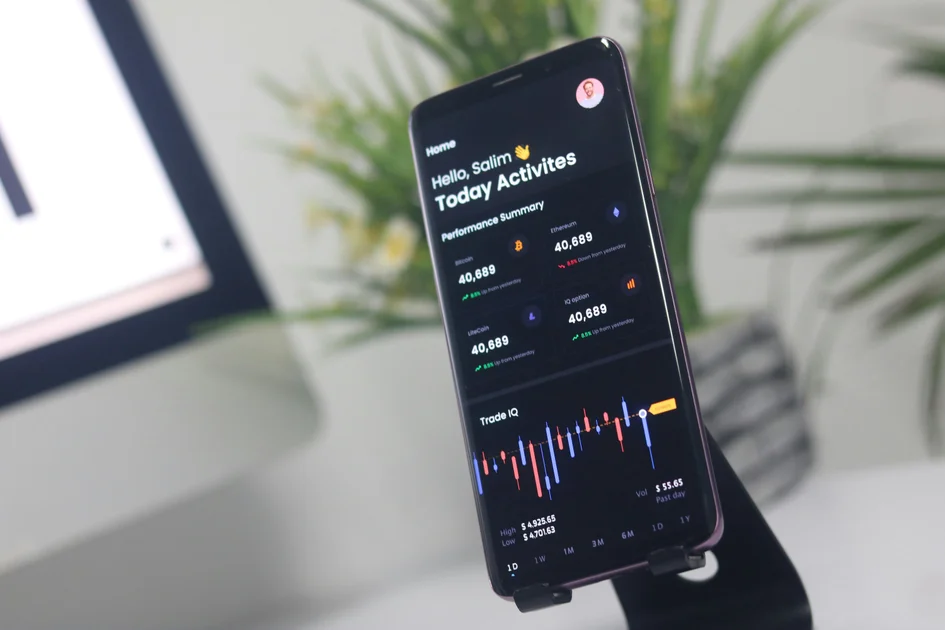
Real time portfolio tracking technology has evolved into an essential infrastructure for the modern long-term investor navigating the complex markets of 2026. While traditional wealth management once relied on quarterly statements or delayed end-of-day updates, current digital solutions provide a granular, millisecond-accurate view of asset performance across diversified holdings. By integrating direct data feeds from brokerage APIs, cryptocurrency exchanges, and private equity platforms, these systems transform raw market noise into actionable intelligence. For those building long-term wealth, this technology acts as a safeguard against volatility, ensuring that asset allocation remains aligned with risk tolerance and long-term financial objectives. Understanding how these tools function is now as critical as the selection of the underlying assets themselves, providing a clear window into the actual health of one’s global financial footprint.
The Mechanics of Real Time Data Aggregation
Modern portfolio tracking relies on sophisticated API bridges that connect user accounts to centralized dashboards through highly secure, encrypted channels. These connections allow for the instantaneous retrieval of price action, dividend accruals, and transaction history without the need for manual data entry. In 2026, the industry standard for these integrations is the adoption of open banking protocols and secure OAuth tokens, which ensure that the tracker never gains full control over the user’s assets. Instead, the software functions as a read-only observer, mapping the data into a unified interface that normalizes assets across different currencies and asset classes.
This automated synchronization eliminates the human error inherent in manual spreadsheets, which were once the primary tool for individual investors. By maintaining a live connection to market feeds, these trackers can trigger real-time alerts based on pre-defined thresholds, such as a major deviation from a target asset allocation. This proactive monitoring allows investors to maintain their strategy without succumbing to the emotional biases that often plague long-term planning. The underlying architecture is designed to handle massive volumes of data, ensuring that whether you hold a few index funds or a complex array of alternative investments, your portfolio performance is always reflected with high fidelity.
Advanced Analytics for Long Term Strategy
Beyond simple balance checking, real time portfolio tracking technology provides deep analytical insights that were previously reserved for institutional hedge fund managers. Investors in 2026 can utilize sophisticated “what-if” modeling tools that simulate the impact of market shifts on their long-term retirement trajectory. These systems compute internal rates of return (IRR) and time-weighted returns (TWR) in real time, allowing for a precise evaluation of how specific investment choices contribute to overall growth. This depth of data enables users to identify hidden correlations between assets that might otherwise go unnoticed during periods of market stress.
The Role of Predictive Modeling
Predictive analytics integrated into these platforms use historical data to project future performance under various scenarios, such as inflationary pressure or interest rate adjustments. This allows the investor to visualize the sustainability of their portfolio well into the future, providing a necessary layer of confidence during temporary downturns. By analyzing tax-loss harvesting opportunities as they arise, the technology also optimizes the net-after-tax returns of the portfolio, ensuring that long-term gains are not unnecessarily eroded by inefficient tax management. This level of oversight is a significant departure from the reactive strategies of the past, marking a shift toward data-driven wealth preservation.
Comparison Table / Specifications Table
| Feature | Basic Free Tracker | Professional Wealth Suite | Institutional API Service |
|---|---|---|---|
| Data Refresh Rate | 15-minute delay | Real-time (millisecond) | Direct feed (low latency) |
| Asset Coverage | Stocks/ETFs | Global stocks, Crypto, PE | Full Global/Alternative |
| Tax Optimization | None | Automated Harvesting | Custom Tax Engine |
| Security Protocol | Standard Encryption | Bank-Grade AES-256 | Enterprise HSM/SOC2 |
| Reporting Depth | Basic balance | Advanced Analytics/IRR | Custom Audit/Compliance |
| Pricing Model | Ad-supported | Subscription Fee | Enterprise License |
Security and Privacy in the API Era
Security remains the paramount concern for any investor considering the integration of their financial accounts into a third-party tracking platform. In 2026, the leading providers utilize multi-layered security architectures that exceed the requirements of standard financial regulations. These platforms do not store banking credentials; rather, they rely on third-party aggregators that use tokenization to fetch data. This means that even in the unlikely event of a platform breach, the attacker never gains access to the user’s actual funds or login credentials. It is a critical distinction that provides investors with the peace of mind necessary to utilize these high-tech tools.
Furthermore, the shift toward decentralized identity verification and hardware-secured authentication has bolstered the integrity of these systems. Users are encouraged to employ multi-factor authentication (MFA) and to review their connected application permissions regularly through their financial institutions. By maintaining a strict “least privilege” access model, users ensure that their portfolio tracking software only sees what it needs to see. This focus on privacy is central to the adoption of these platforms by high-net-worth individuals who demand both high-level functionality and uncompromising confidentiality in their day-to-day financial management processes.
Reddit & Expert Community Consensus
“The consensus among long-term investors on platforms like r/PersonalFinance and r/FinancialIndependence is that real time tracking is a double-edged sword. While the data is invaluable for rebalancing, the constant access to minute-by-minute fluctuations can be detrimental to the psychology of a passive investor. The experts agree: use the real-time data for the math (tax harvesting, rebalancing, checking allocation), but keep the emotional distance of a set-and-forget investor. If the app is making you check your phone more than once a month, you are using the technology incorrectly.” – Financial Forum Moderator, 2026.
The Evolution of Rebalancing Workflows
Rebalancing is the cornerstone of long-term investment success, yet it is often neglected due to the complexity of calculating the necessary trades. Real time portfolio tracking technology streamlines this by continuously monitoring the drift between current portfolio weights and target allocations. When an asset class exceeds a pre-set threshold, the system provides an automated “rebalance recommendation” that accounts for transaction costs and tax implications. This ensures that the portfolio remains optimized without requiring the investor to perform manual calculations or undergo the stress of monitoring the market constantly.
By automating the decision-making process, the technology removes the behavioral hurdle of selling winners and buying losers, a practice that is mathematically sound but psychologically difficult. In 2026, these systems are increasingly capable of executing these trades through integrated brokerage partnerships, effectively creating a “robo-advisor” layer on top of a self-directed portfolio. This hybrid approach allows the long-term investor to retain full control over their investment philosophy while benefiting from the precision and consistency of automated execution tools. It is a significant evolution that bridges the gap between passive indexing and active wealth management.
Key Takeaways
- Real time trackers provide granular visibility that is essential for accurate, long-term portfolio management.
- API-based integration allows for seamless, secure data retrieval across diverse global asset classes.
- Predictive modeling and tax-loss harvesting are now standard features of premium tracking suites.
- Security protocols like tokenization ensure that your underlying assets remain isolated from the tracker.
- The primary risk of real-time data is psychological; investors should focus on strategy, not noise.
- Automated rebalancing tools help maintain target asset allocations with minimal emotional input.
Frequently Asked Questions
Is real time tracking worth the subscription cost?
For investors with diverse portfolios spanning multiple brokerages, the time saved and the tax-loss harvesting benefits far outweigh the subscription costs, which are often tax-deductible.
Will these apps put my bank funds at risk?
No, reputable trackers use read-only API connections and tokenization, meaning they cannot initiate transactions or move funds from your connected accounts.
How does this technology help with long-term goals?
It provides the accurate feedback loop required to ensure your current progress matches your retirement or wealth accumulation projections.
Can I use this if I invest in cryptocurrencies?
Yes, modern trackers support integration with major exchanges and hardware wallets, allowing for a truly unified view of your net worth.
Does constant tracking lead to over-trading?
It can, which is why experts recommend using these tools for periodic monitoring and rebalancing rather than daily reaction to market volatility.
Conclusion
The integration of real time portfolio tracking technology into the toolkit of the long-term investor represents a definitive step toward professional-grade financial oversight. By leveraging the power of APIs, automated rebalancing, and predictive analytics, investors can maintain a disciplined strategy that survives the unpredictability of the global markets. While the temptation to monitor daily fluctuations remains, the true value of these tools lies in their ability to provide clarity, optimize tax efficiency, and enforce strategic discipline. As we move further into 2026, those who embrace these digital advancements will be better positioned to achieve their long-term financial freedom.