
Close Menu
  • Home
  • Latest
  • Banking
  • IFSC & MICR Codes
  • Digital Banking
  • Loans & Credit Cards
  • More
    • Personal Finance
    • Government Schemes
What's Hot

National Pension System Guide: Complete NPS Account Opening and Contribution Strategy

September 21, 2026

Sukanya Samriddhi Yojana 2026: Complete Deposit, Interest and Maturity Calculator Guide

September 21, 2026

Senior Citizen Savings Scheme: Complete Guide to SCSS Account, Rates and Benefits

September 21, 2026

Recurring Deposit Benefits: Complete Guide to RD Calculation and Best Banks

September 21, 2026

Fixed Deposit Rates 2026: Complete Bank-Wise FD Rate Comparison and Best Options

September 21, 2026
Facebook X (Twitter) Instagram
Ifsc
Contact Us
  • Home
  • Latest

    National Pension System Guide: Complete NPS Account Opening and Contribution Strategy

    September 21, 2026

    Sukanya Samriddhi Yojana 2026: Complete Deposit, Interest and Maturity Calculator Guide

    September 21, 2026

    Senior Citizen Savings Scheme: Complete Guide to SCSS Account, Rates and Benefits

    September 21, 2026

    Recurring Deposit Benefits: Complete Guide to RD Calculation and Best Banks

    September 21, 2026

    Fixed Deposit Rates 2026: Complete Bank-Wise FD Rate Comparison and Best Options

    September 21, 2026
  • Banking
  • IFSC & MICR Codes
  • Digital Banking
  • Loans & Credit Cards
  • More
    • Personal Finance
    • Government Schemes
Ifsc
Home»Digital Banking»5 Tips to Use Internet Banking Safely
Digital Banking

5 Tips to Use Internet Banking Safely

Rohan MalhotraBy Rohan MalhotraJuly 28, 2026Updated:September 21, 20260115 Mins Read
Share Facebook Twitter Pinterest Copy Link LinkedIn Tumblr Email Telegram WhatsApp
Share
Facebook Twitter LinkedIn Pinterest Email Copy Link
RM
Written by Rohan Malhotra Fact-Checked
Digital Payments & Security Researcher • Reviewed by Technical Desk • 2026 NPCI Standards
Certified Information Systems Auditor (CISA) and Digital Payments Specialist with over 8 years analyzing retail payment architectures across India. He focuses on UPI transaction limits, BHIM architectures, IMPS settlement exception handling, and consumer protections under the RBI Digital Payment Security Controls Directions.

Technology has drastically changed the way we live, work, and transact. It the late 1990’s, the introduction of Internet banking dramatically changed the way in which banking was being conducted. ICICI Bank was the first to introduce it in 1996, and soon, many banks followed the pattern, thus making Internet Banking, or ‘Anywhere Banking’ the way of life. Whether it is opening an account, checking your balance, transferring money, or applying for a loan, everything can be done literally at your fingertips.

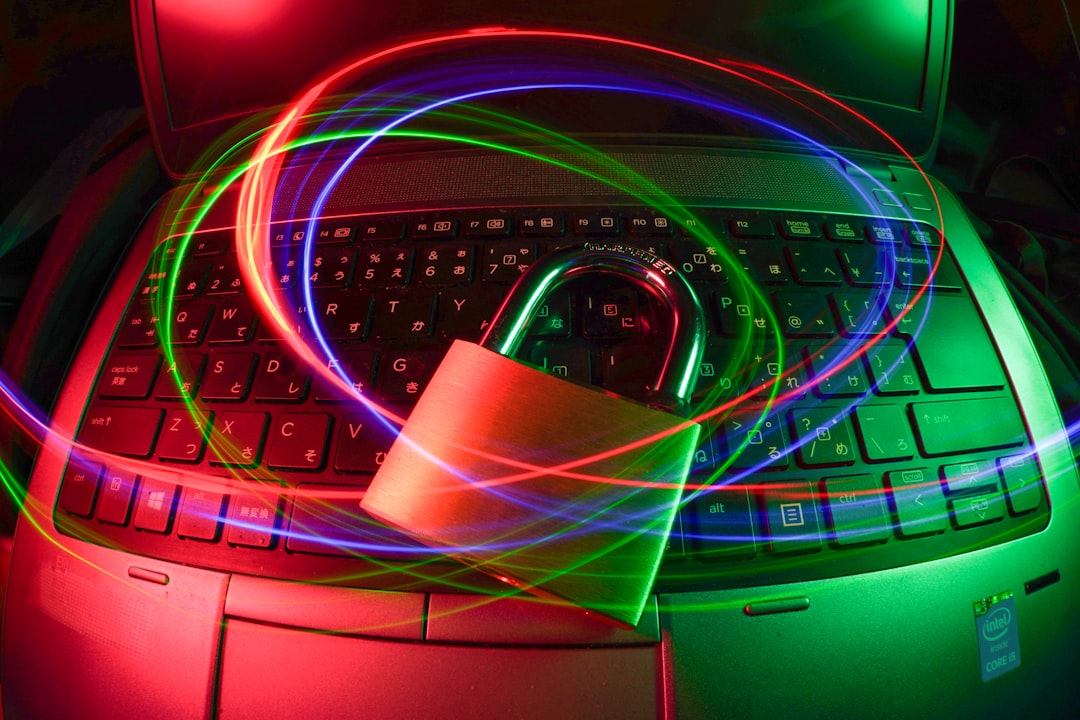
While online banking is an extension of your physical bank, it has more risks than doing business physically with the bank. Online banking has reduced physical dependency on the bank, but many factors make online banking vulnerable to risk, which may cause heavy financial losses if not taken care of. Here we present some tips to use your internet banking safely.

A strong anti-virus is very important to keep all the online banking transactions safe from cybercriminals. A strong anti-virus software keeps adds layers of protection to ensure all sensitive private information is kept safe from unauthorized users. Following are the benefits of having anti-virus software:

  • It blocks access to your desktop or screen by hackers and non-authorized users
  • It provides a protected desktop view to keep your online transactions safe
  • It also protects your passwords and keeps it secure
  • It filters DNS requests to block information from being sent or received

We use multiple passwords for many online sites, but having a strong password for your online banking site is as important as your key to the safe deposit vault. If your password is stolen it can give access to all your money, and hackers are busy creating programs to know user credentials, especially the password. It is thus important to create a strong password, and the following tips will help you achieve them:

  • Use an alphanumeric password, that contains numbers, letters, and alphabets, and which Is difficult for someone to decipher
  • Do not use sequential alphabets or numerical which has the ability to give it away
  • Create long passwords, which do not contain any easily identifiable information about you or your family
  • Never save your passwords anywhere or share them with anyone.

Each online user receives some online credentials that he uses to access his online account. Some banks use their customer ID as their user names, while many banks provide added layers of protection. It may ask you to create your own username, add a security feature question, or select an image to use as a credential. It is very important to keep the credentials safe and not share them with anyone. Data breach and compromise of user information is a commonplace occurrence, and hence it is important that we protect our online banking credentials.

One of the greatest cautions that anyone should use while accessing their bank account is to access it on your own personal devices and not on shared systems. Even if the public computer such as one at the cyber café, public libraries, airports, or hotel rooms may have security features, still they are inadequate when it comes to accessing information and conducting online banking transactions. Many people install crimeware on the shared computers to use it to steal information. Also, avoid using public Wi-fi and use VPN software. If you using a phone, then ensure that the security features of your phone have been updated and you are using the most recent version of your operating system. The APWG, Anti-Phishing Working Group estimated that nearly 39% of shared PCs have crimeware installed on them, which makes shared computers more vulnerable to theft and data breach.

The best way to check for any fraudulent activities or malpractices in your account is to keep checking it regularly. Activate all the necessary settings so that you receive immediate updates whenever any online or offline transaction is done. In fact, it is beneficial to get an update even if you are not a heavy internet or online banking user, so that you are aware of the status of the account anytime, anywhere. Whenever you suspect any suspicious transaction, then immediately inform the bank.  Many banks use a 128-bit encryption site which automatically stops a user from using a browser that doesn’t meet its security standard.

Internet Banking has grown exponentially in recent years. It is estimated that internet banking users in India are expected to reach 150 million by 2020 year-end. While online banking has become a way of life, the above tips will ensure that our online presence remains safe and secure. 

Banking Security Digital Banking Internet Banking Online Banking Safe Banking
Share. Facebook Twitter Pinterest LinkedIn Tumblr Email Copy Link
Rohan Malhotra

Rohan Malhotra is a Certified Information Systems Auditor (CISA) and Digital Payments Specialist with over 8 years analyzing retail payment architectures across India. He focuses on UPI transaction limits, BHIM architectures, IMPS settlement exception handling, and consumer protections under the RBI Digital Payment Security Controls Directions.

Related Posts

RBI Guidelines on Digital Payments: Complete Compliance and Consumer Rights Guide

September 21, 2026

IMPS Transaction Failure: Complete Guide to Recovering Money from Failed Transfers

September 21, 2026

Google Pay vs PhonePe vs Paytm: Complete Feature, Limit and Security Comparison

September 21, 2026
Add A Comment
Leave A Reply Cancel Reply

Top Posts

How to Close a Joint Bank Account Without Visiting the Branch: A Complete Guide

July 9, 202671 Views

What Are the Hidden Maintenance Fees Associated with Zero Balance Savings Accounts?

July 9, 202658 Views

How to Apply for Government Schemes and Track Application Status Successfully

August 18, 202641 Views

National Pension System Guide: Complete NPS Account Opening and Contribution Strategy

September 21, 202638 Views

IFSC vs MICR Code Explained: Differences, Uses, and Where to Find Them

August 18, 202636 Views
Most Popular

How to Close a Joint Bank Account Without Visiting the Branch: A Complete Guide

July 9, 202671 Views

What Are the Hidden Maintenance Fees Associated with Zero Balance Savings Accounts?

July 9, 202658 Views

How to Apply for Government Schemes and Track Application Status Successfully

August 18, 202641 Views
Featured Posts

National Pension System Guide: Complete NPS Account Opening and Contribution Strategy

September 21, 2026

Sukanya Samriddhi Yojana 2026: Complete Deposit, Interest and Maturity Calculator Guide

September 21, 2026

Senior Citizen Savings Scheme: Complete Guide to SCSS Account, Rates and Benefits

September 21, 2026

Subscribe to Updates

Get the latest banking insights from IFSC.co about IFSC codes, digital banking, and personal finance.

Facebook X (Twitter) Instagram Pinterest
  • About Us
  • Contact Us
  • Privacy Policy
  • Terms & Conditions
  • Disclaimer
© 2026 ifsc.co. Designed by ifsc.co.

Type above and press Enter to search. Press Esc to cancel.