How Secure Is Your Online Banking Account?
Learn how secure your online banking account is with features like encryption, multi-factor authentication, and firewalls. Stay safe from cyber threats.
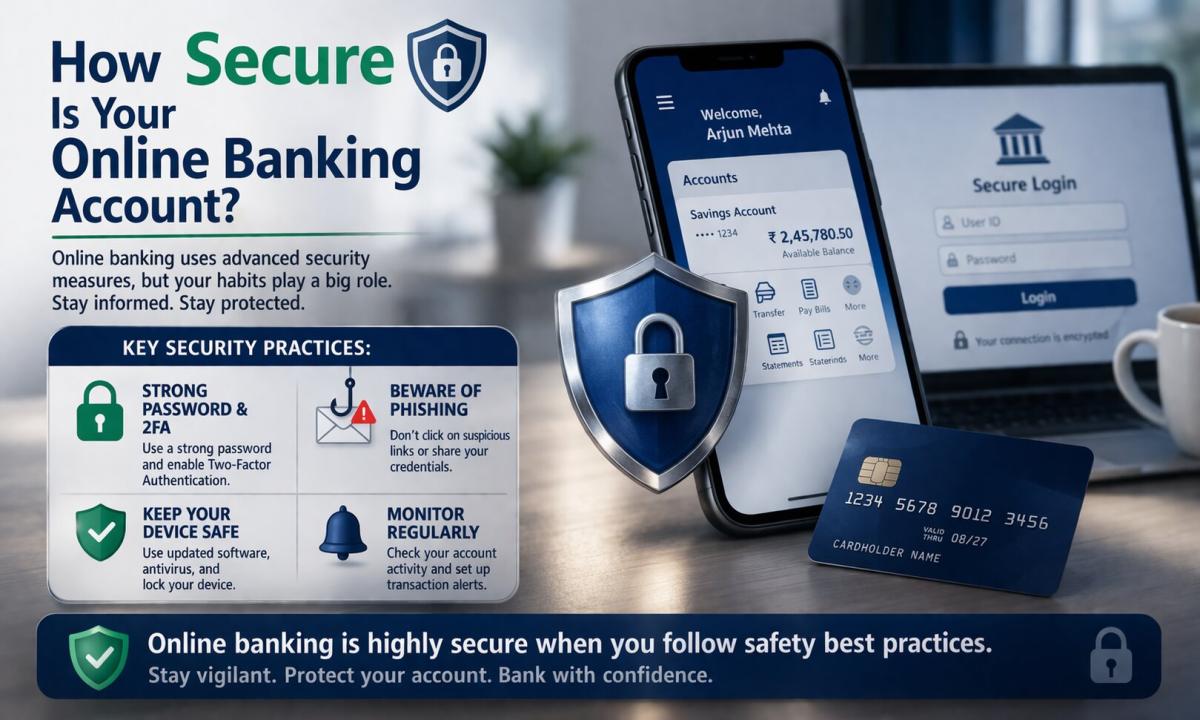
Table of Contents
It is a safe thing to say that all electronic devices can be hacked. If this statement is true, then it’s also true that all transactions that happen on our devices can be hacked too. According to this article published by Hosting Tribunal, 300,000 new malware are created every day. It is also predicted that organizations will be spending up to $10 billion a year on cybersecurity. The other statistics presented in the article bear testimony to the fact that conducting business online can be a risk, and organizations around the world are doing the best they can to counter this threat.
Even with these dark statistics, you can be confident that your online banking account is safe and that financial institutions are doing their best to keep their valuable customers safe from cybercriminals. The safety of online banking is dependent on 2 important factors. One is our own safety practices in terms of keeping our credentials safe, and the other is the work done by the banks for keeping their financial infrastructure safe from threats. Let us see in detail what banks do to keep our banking experience safe.
Multi-factor authentication
Multi-Factor Authentication (MFA) is a security system that adds layers of security to your online banking account to save it from cyber-attacks. It is an Identity and Access Management protocol, under which, apart from the username and password, each user has to add other credentials that authenticate the intended user’s identity. This additional credential can be a code, an answer to a question, your fingerprint, or your facial recognition that will be unique and less likely to be stolen.
Many banks use Adaptive Authentication which even leverages Artificial Intelligence to detect suspicious activity and flag cybercriminals. Under this mechanism, if the AI suspects invalid login, it will ask for more credentials to authenticate the user. Hence, it is completely safe to say that our online bank account is safe, provided you keep the entire credentials safe with you.
Encryption
Banks use the highest level of Secure Socket Layer (SSL) encryption which ensures that a secure connection is created whenever you log in to your bank account from any device. You can ensure that the site is protected when you see the lock symbol at the lower right-hand side of your page in the address bar. With this encryption, all the data that you enter into the site gets encoded in a way that is inaccessible to cyber hackers. How safe is this bank encryption?
Many banks use the 256-bit encryption system which means that a hacker will need to use 2256 different key combinations to break into the sensitive data. This means that it would be digitally or virtually impossible for any cybercriminal to get your sensitive information even by using the fastest computers in the world. Hence when you log in to your online bank account, it is called a secure session. This level of data security is constantly upgraded and hence customers can fully trust their online banking platforms.
Firewalls
Banks use strong firewalls to protect its websites and multi-platform applications. These firewalls closes the ports to hackers and reduce the risks of worms entering and exploiting the security holes. A strong firewall also blocks unauthorized access from questionable sources and screens data that comes into the system. This not only protects the system but also ensures safety for online transactions.
Session Management
Another critical factor in online banking is the automatic logout system kept in place by banks on their online banking websites. This feature is especially beneficial for those who use shared or public computers to access their online bank account. If the logged-in page is left idle for a specified period of time, it automatically logs off, thus stopping any other unauthorized person to access the page. This aspect of online banking is also called as session management.
Cookies
Cookies are used to provide the best user experience to the bank account holder. It not only remembers your log-in preferences, banks also use cookies to provide important security features to protect confidential details of bank accounts. These cookies are completely safe and help keep the bank account safe and secure from cybercriminals.
All the above reasons show that banks are doing their best to ensure that the protection of financial information is the topmost priority. Cutting-edge technologies are now providing the latest security features and all financial institutions are spending a fortune every year to implement these security features. As customers, we can be completely confident that our money is in safe hands.
Related Blogs
Published on May 06, 2026
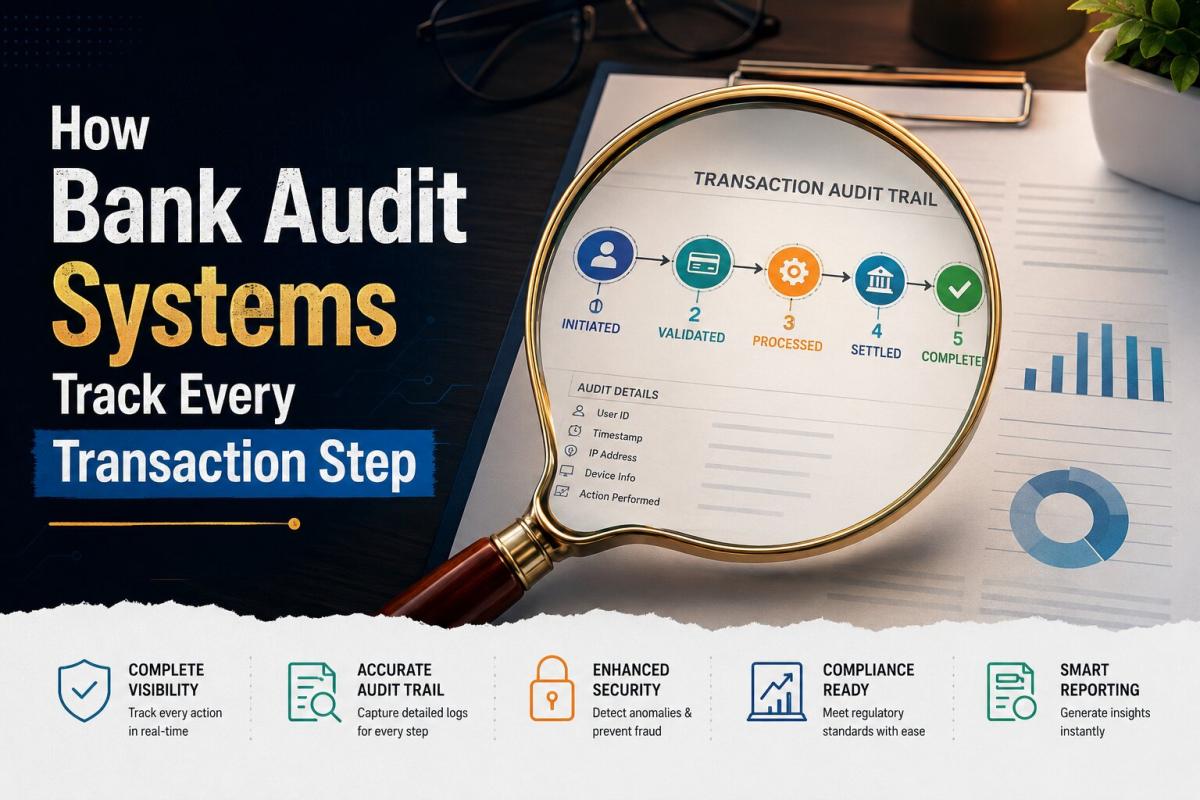
How Bank Audit Systems Track Every Transaction Step
Discover how bank audit systems track every transaction step using audit trails, real-time logging, and AI monitoring to ensure transparency, fraud detection, and regulatory compliance.
Priya Nair
Senior Compliance Editor at IFSC.co
Published on May 06, 2026
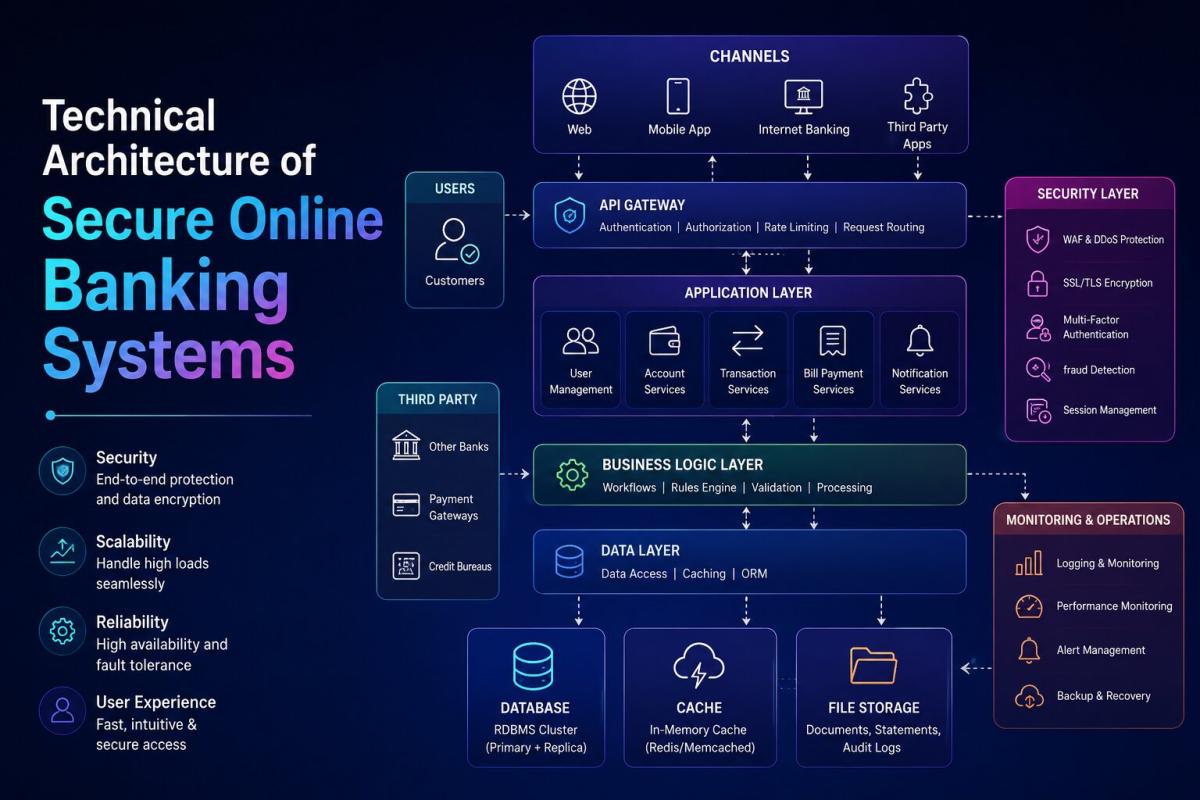
Technical Architecture of Secure Online Banking Systems
Explore the technical architecture of secure online banking systems, including layered security, encryption, authentication, APIs, and fraud detection that protect digital transactions.
Priya Nair
Senior Compliance Editor at IFSC.co
Published on Apr 28, 2026
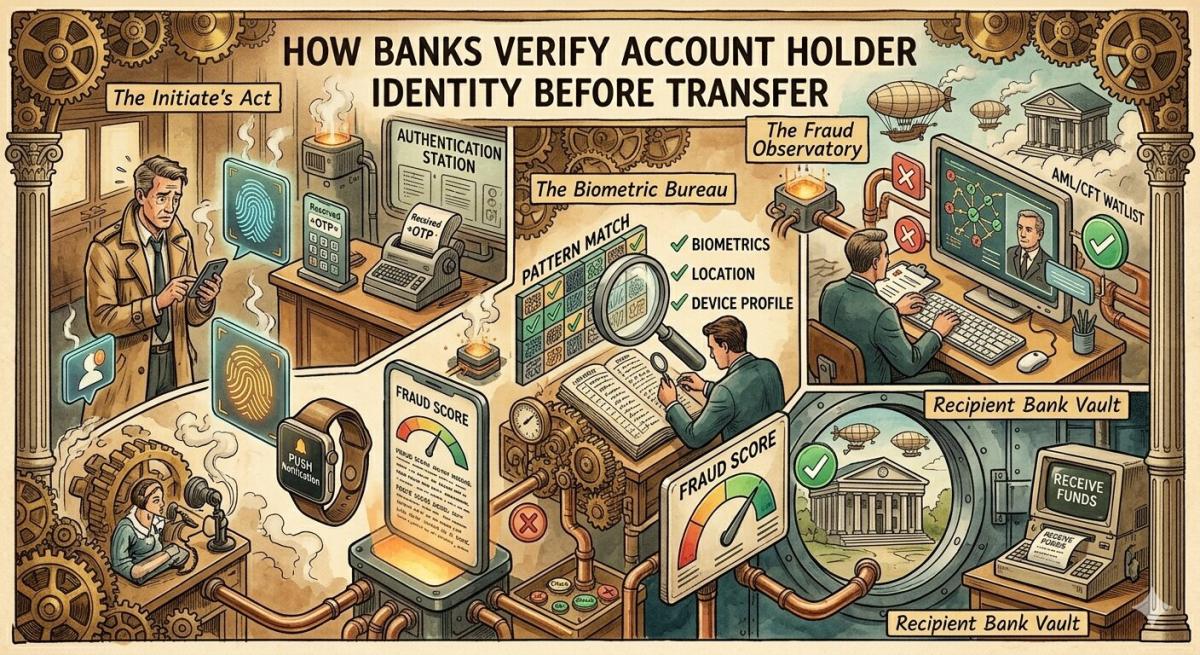
How Banks Verify Account Holder Identity Before Transfer
Learn how banks verify account holder identity before transfers using KYC, OTP, biometrics, and real-time fraud detection to ensure secure and compliant digital transactions.
Priya Nair
Senior Compliance Editor at IFSC.co
Published on Apr 28, 2026
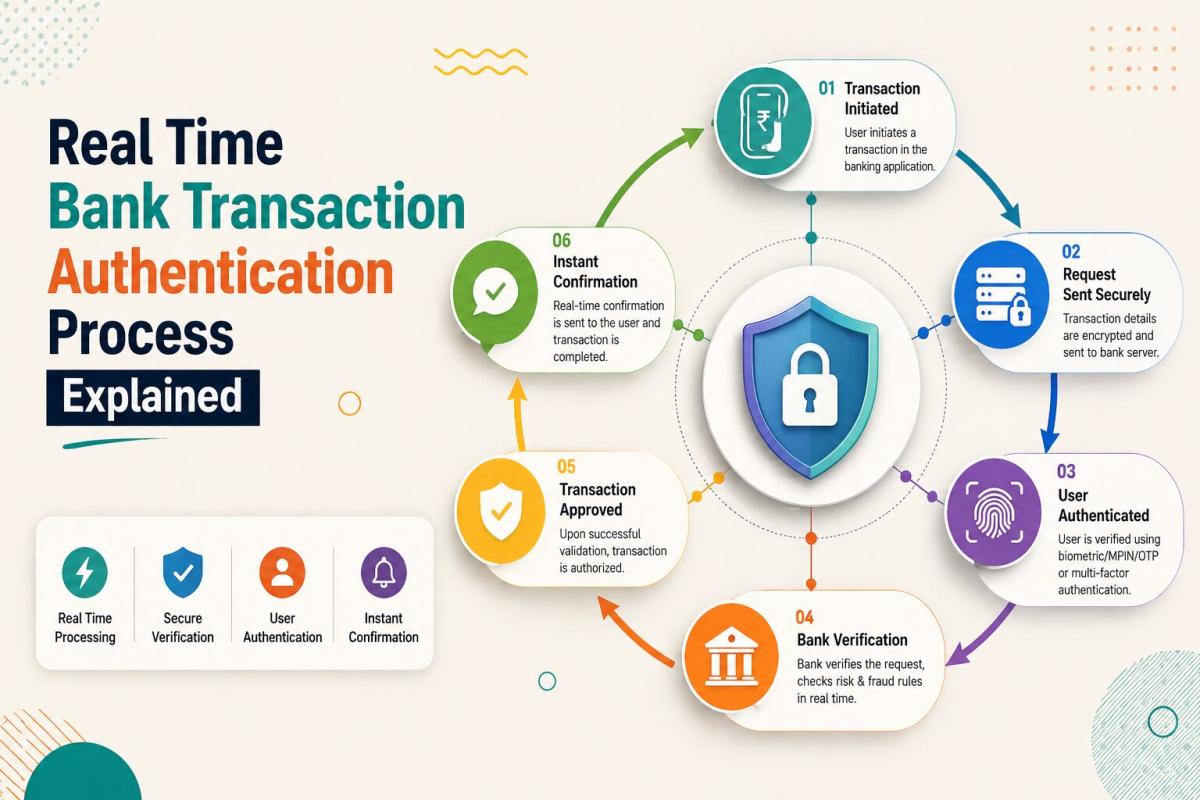
Real Time Bank Transaction Authentication Process Explained
Understand how real-time bank transaction authentication works using OTP, biometrics, encryption, and AI-driven fraud detection to secure digital payments instantly.
Priya Nair
Senior Compliance Editor at IFSC.co
Published on Apr 28, 2026
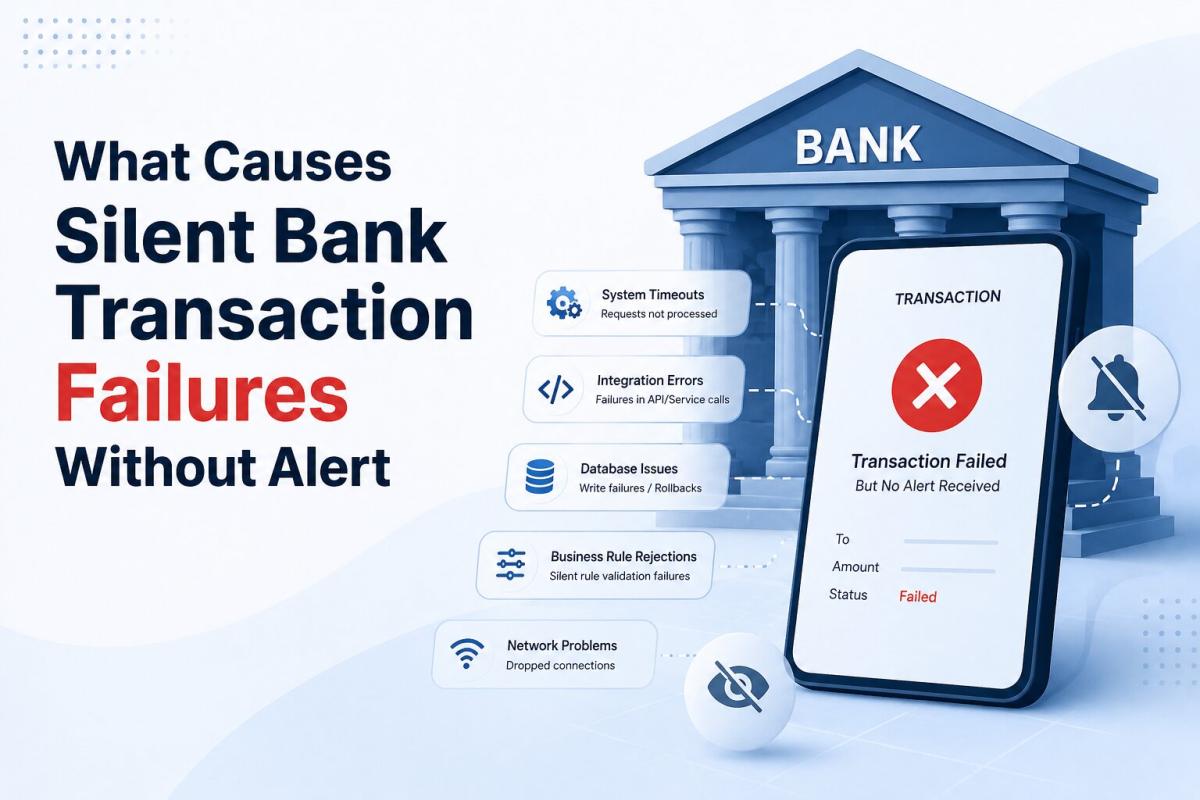
What Causes Silent Bank Transaction Failures Without Alert
Discover the key causes of silent bank transaction failures, including network timeouts, API issues, system delays, and how banks resolve these hidden payment errors.
Priya Nair
Senior Compliance Editor at IFSC.co
calculate Financial Calculators
EMI Calculator
FD Calculator
GST Calculator
Lumpsum Calculator
Mutual Fund Returns Calculator
PPF Calculator
RD Calculator
SIP Calculator
SWP Calculator
article Latest Blog Posts
ELSS vs PPF vs NPS: Which Tax-Saving Investment Gives the Best Returns?
Compare ELSS vs PPF vs NPS to find the best tax-saving investment. Understand returns, lock-in periods, and features to choose what suits your goals.
SIP & Investing • 11 MINS READ
How to Start SIP with ₹500 Per Month: Beginner's Guide to Mutual Funds
Learn how to start a SIP with ₹500 per month in mutual funds. Simple beginner’s guide to investing, building wealth, and growing money with small steps.
SIP & Investing • 13 MINS READ
Senior Citizen FD Rates 2026: Which Banks Offer the Highest Interest?
Compare senior citizen FD rates in 2026 and find which banks offer the highest interest. Learn about returns, tenures, and tips to choose the best FD.
FD, PPF & Savings • 12 MINS READ
Sukanya Samriddhi Yojana (SSY): Interest Rate, Rules & Calculator Guide 2026
Learn about Sukanya Samriddhi Yojana (SSY) including eligibility criteria, required documentation, step by step application process, tax benefits explanation and comparison b/w SSY, PPF and FD
FD, PPF & Savings • 11 MINS READ
2 reasons why online banking is important in today’s COVID-19 situation
Discover why online banking became essential during COVID-19. Learn how digital banking ensured safety, convenience, and uninterrupted financial services.
Digital Banking • 4 MINS READ