5 Tips to Use Internet Banking Safely
Learn 5 essential tips to use internet banking safely. Protect your account from fraud, hackers, and cyber threats with these simple security practices.
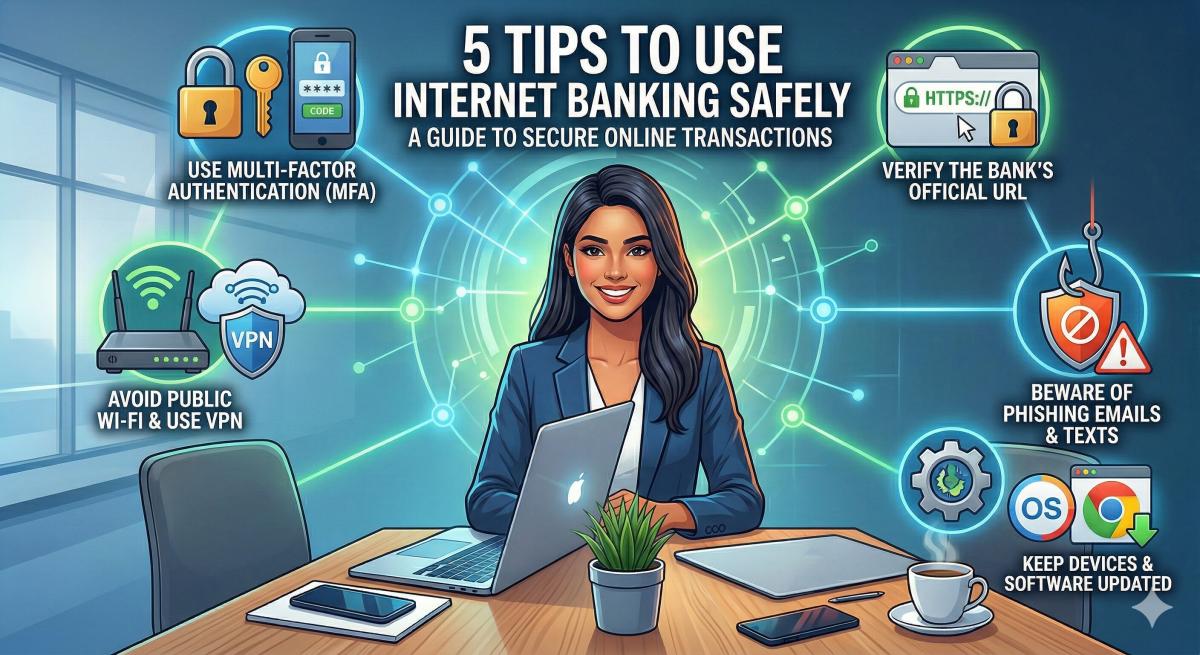
Table of Contents
Technology has drastically changed the way we live, work, and transact. It the late 1990’s, the introduction of Internet banking dramatically changed the way in which banking was being conducted. ICICI Bank was the first to introduce it in 1996, and soon, many banks followed the pattern, thus making Internet Banking, or ‘Anywhere Banking’ the way of life. Whether it is opening an account, checking your balance, transferring money, or applying for a loan, everything can be done literally at your fingertips.
While online banking is an extension of your physical bank, it has more risks than doing business physically with the bank. Online banking has reduced physical dependency on the bank, but many factors make online banking vulnerable to risk, which may cause heavy financial losses if not taken care of. Here we present some tips to use your internet banking safely.
Tip #1: Use a device with strong anti-virus software
A strong anti-virus is very important to keep all the online banking transactions safe from cybercriminals. A strong anti-virus software keeps adds layers of protection to ensure all sensitive private information is kept safe from unauthorized users. Following are the benefits of having anti-virus software:
- It blocks access to your desktop or screen by hackers and non-authorized users
- It provides a protected desktop view to keep your online transactions safe
- It also protects your passwords and keeps it secure
- It filters DNS requests to block information from being sent or received
Tip #2: Use strong passwords and keep changing it regularly
We use multiple passwords for many online sites, but having a strong password for your online banking site is as important as your key to the safe deposit vault. If your password is stolen it can give access to all your money, and hackers are busy creating programs to know user credentials, especially the password. It is thus important to create a strong password, and the following tips will help you achieve them:
- Use an alphanumeric password, that contains numbers, letters, and alphabets, and which Is difficult for someone to decipher
- Do not use sequential alphabets or numerical which has the ability to give it away
- Create long passwords, which do not contain any easily identifiable information about you or your family
- Never save your passwords anywhere or share them with anyone.
Tip #3: Don’t share credentials with anyone
Each online user receives some online credentials that he uses to access his online account. Some banks use their customer ID as their user names, while many banks provide added layers of protection. It may ask you to create your own username, add a security feature question, or select an image to use as a credential. It is very important to keep the credentials safe and not share them with anyone. Data breach and compromise of user information is a commonplace occurrence, and hence it is important that we protect our online banking credentials.
Tip #4: Don’t use public computers
One of the greatest cautions that anyone should use while accessing their bank account is to access it on your own personal devices and not on shared systems. Even if the public computer such as one at the cyber café, public libraries, airports, or hotel rooms may have security features, still they are inadequate when it comes to accessing information and conducting online banking transactions. Many people install crimeware on the shared computers to use it to steal information. Also, avoid using public Wi-fi and use VPN software. If you using a phone, then ensure that the security features of your phone have been updated and you are using the most recent version of your operating system. The APWG, Anti-Phishing Working Group estimated that nearly 39% of shared PCs have crimeware installed on them, which makes shared computers more vulnerable to theft and data breach.
Tip #5: Keep checking your account balance
The best way to check for any fraudulent activities or malpractices in your account is to keep checking it regularly. Activate all the necessary settings so that you receive immediate updates whenever any online or offline transaction is done. In fact, it is beneficial to get an update even if you are not a heavy internet or online banking user, so that you are aware of the status of the account anytime, anywhere. Whenever you suspect any suspicious transaction, then immediately inform the bank. Many banks use a 128-bit encryption site which automatically stops a user from using a browser that doesn’t meet its security standard.
Internet Banking has grown exponentially in recent years. It is estimated that internet banking users in India are expected to reach 150 million by 2020 year-end. While online banking has become a way of life, the above tips will ensure that our online presence remains safe and secure.
Related Blogs
Published on May 06, 2026
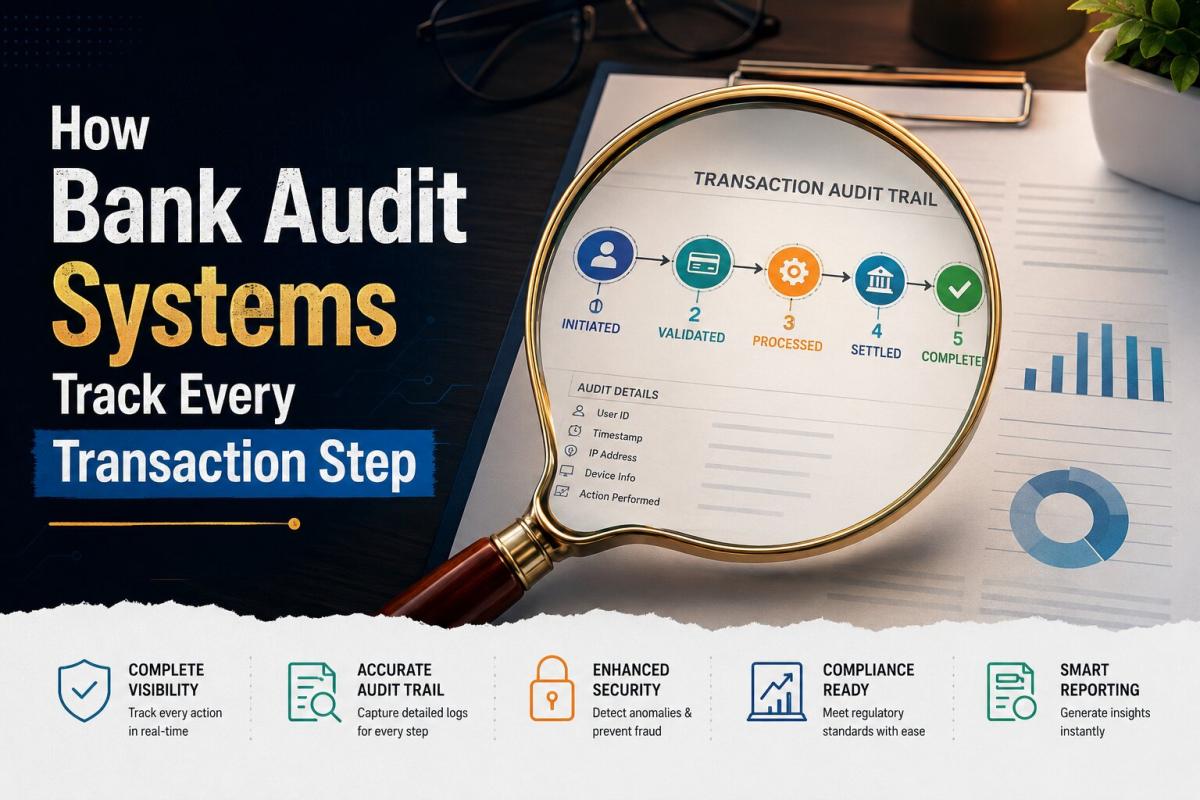
How Bank Audit Systems Track Every Transaction Step
Discover how bank audit systems track every transaction step using audit trails, real-time logging, and AI monitoring to ensure transparency, fraud detection, and regulatory compliance.
Priya Nair
Senior Compliance Editor at IFSC.co
Published on May 06, 2026
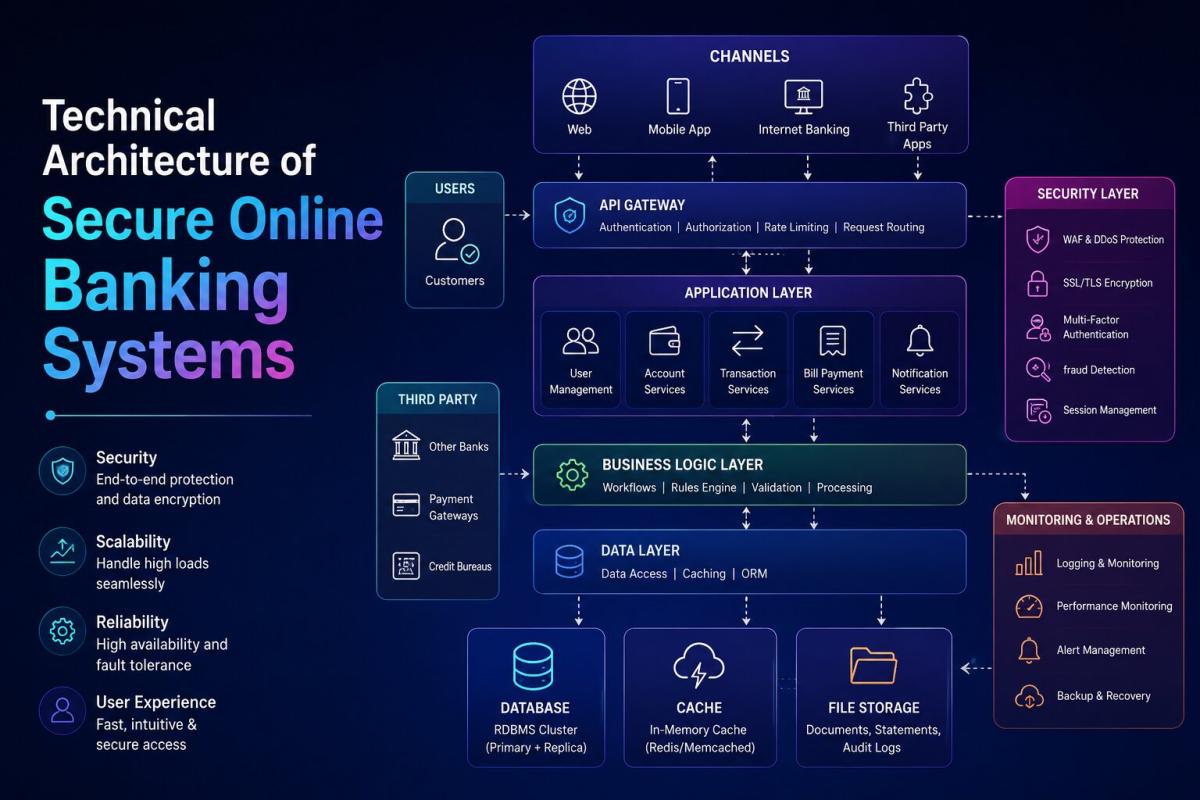
Technical Architecture of Secure Online Banking Systems
Explore the technical architecture of secure online banking systems, including layered security, encryption, authentication, APIs, and fraud detection that protect digital transactions.
Priya Nair
Senior Compliance Editor at IFSC.co
Published on Apr 28, 2026
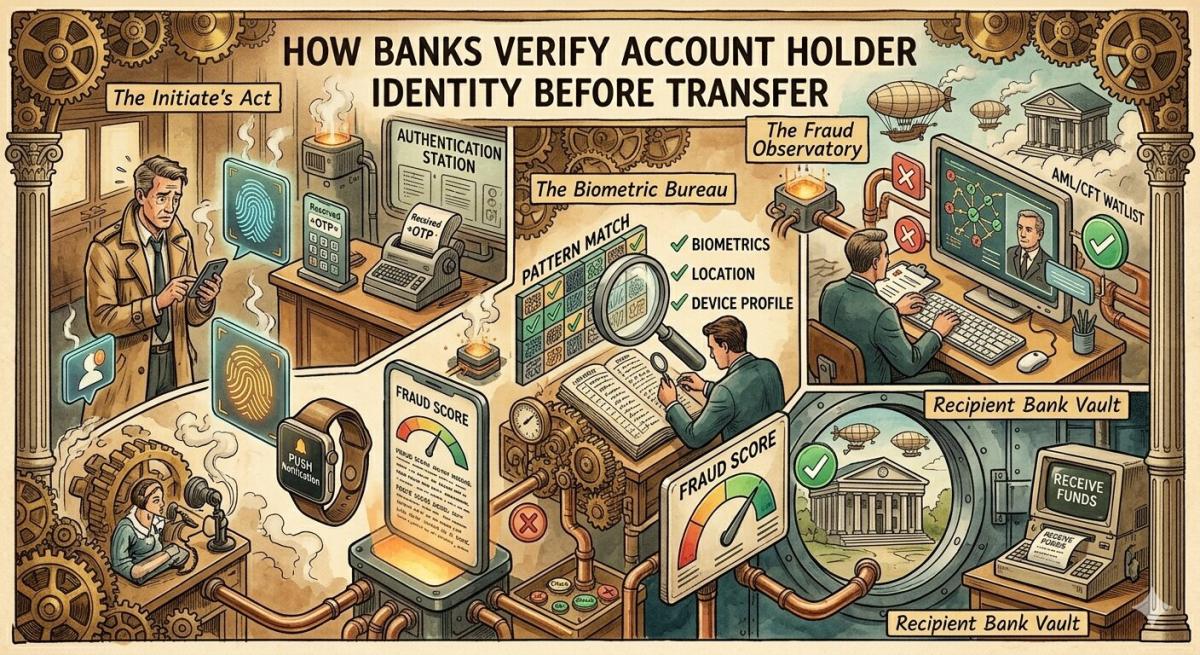
How Banks Verify Account Holder Identity Before Transfer
Learn how banks verify account holder identity before transfers using KYC, OTP, biometrics, and real-time fraud detection to ensure secure and compliant digital transactions.
Priya Nair
Senior Compliance Editor at IFSC.co
Published on Apr 28, 2026
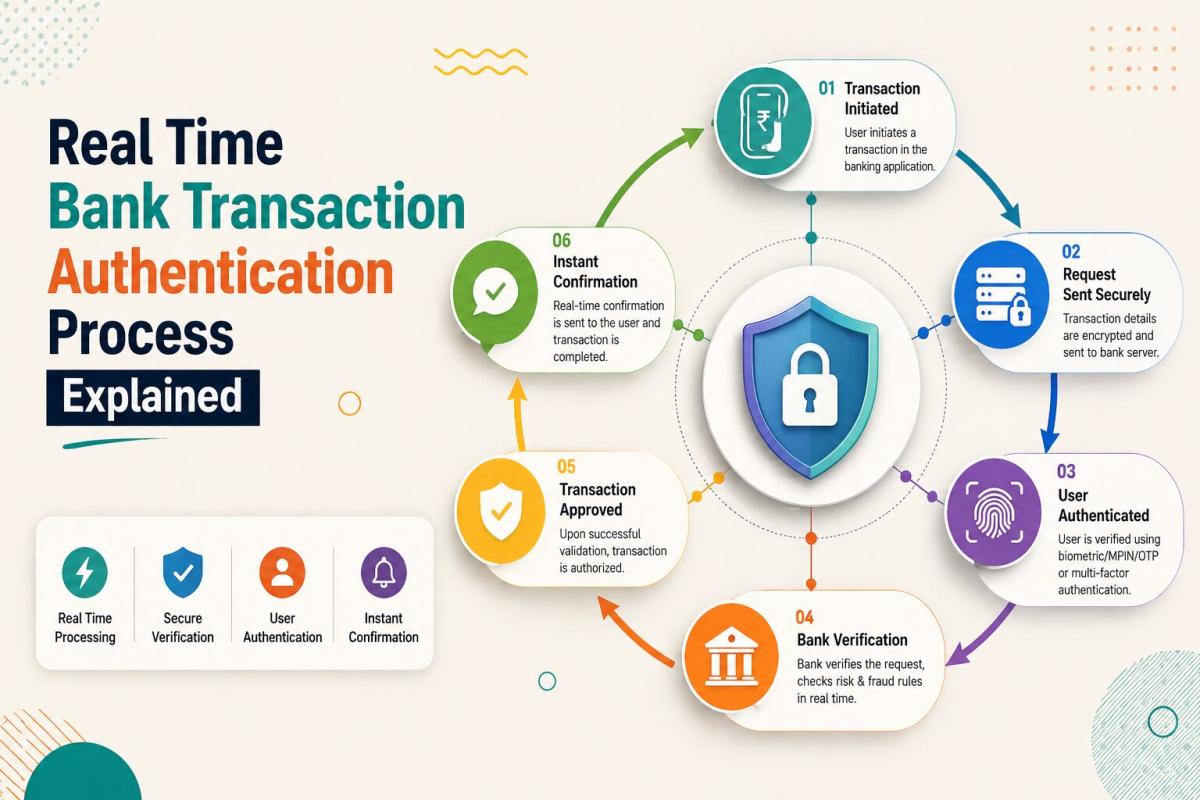
Real Time Bank Transaction Authentication Process Explained
Understand how real-time bank transaction authentication works using OTP, biometrics, encryption, and AI-driven fraud detection to secure digital payments instantly.
Priya Nair
Senior Compliance Editor at IFSC.co
Published on Apr 28, 2026
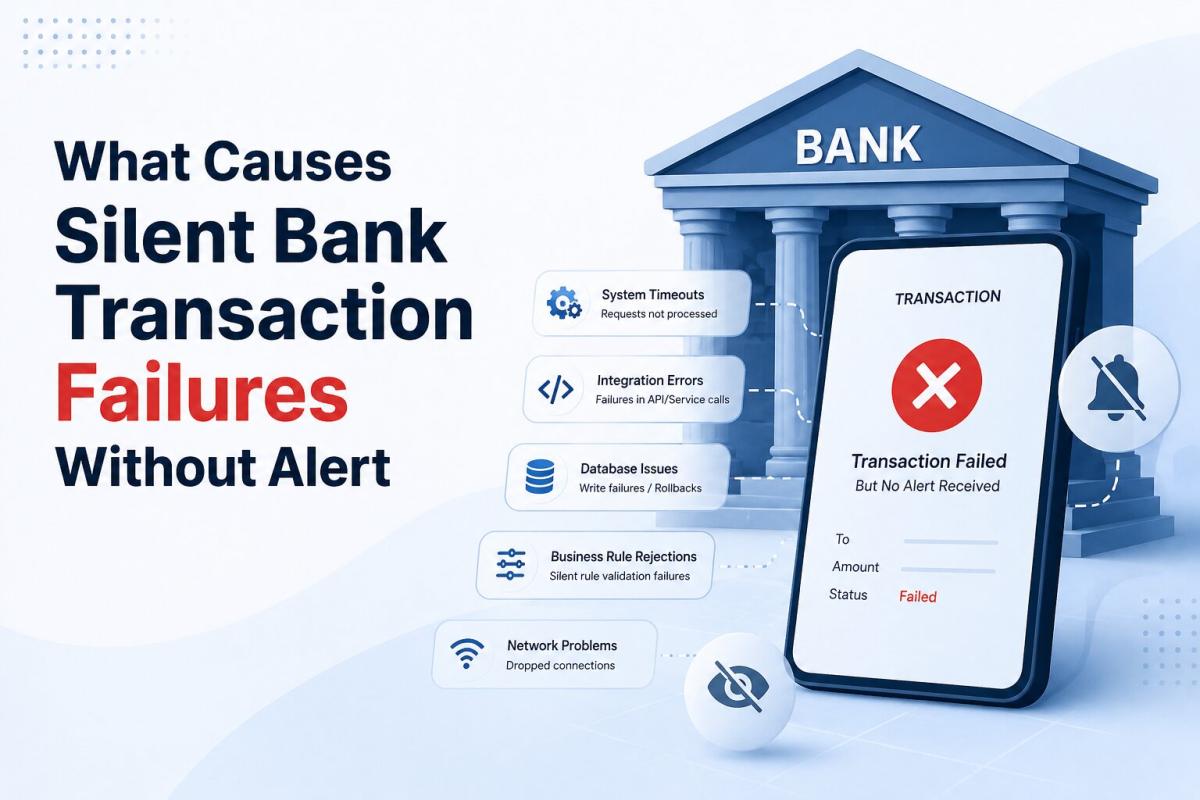
What Causes Silent Bank Transaction Failures Without Alert
Discover the key causes of silent bank transaction failures, including network timeouts, API issues, system delays, and how banks resolve these hidden payment errors.
Priya Nair
Senior Compliance Editor at IFSC.co
calculate Financial Calculators
EMI Calculator
FD Calculator
GST Calculator
Lumpsum Calculator
Mutual Fund Returns Calculator
PPF Calculator
RD Calculator
SIP Calculator
SWP Calculator
article Latest Blog Posts
ELSS vs PPF vs NPS: Which Tax-Saving Investment Gives the Best Returns?
Compare ELSS vs PPF vs NPS to find the best tax-saving investment. Understand returns, lock-in periods, and features to choose what suits your goals.
SIP & Investing • 11 MINS READ
How to Start SIP with ₹500 Per Month: Beginner's Guide to Mutual Funds
Learn how to start a SIP with ₹500 per month in mutual funds. Simple beginner’s guide to investing, building wealth, and growing money with small steps.
SIP & Investing • 13 MINS READ
Senior Citizen FD Rates 2026: Which Banks Offer the Highest Interest?
Compare senior citizen FD rates in 2026 and find which banks offer the highest interest. Learn about returns, tenures, and tips to choose the best FD.
FD, PPF & Savings • 12 MINS READ
Sukanya Samriddhi Yojana (SSY): Interest Rate, Rules & Calculator Guide 2026
Learn about Sukanya Samriddhi Yojana (SSY) including eligibility criteria, required documentation, step by step application process, tax benefits explanation and comparison b/w SSY, PPF and FD
FD, PPF & Savings • 11 MINS READ
2 reasons why online banking is important in today’s COVID-19 situation
Discover why online banking became essential during COVID-19. Learn how digital banking ensured safety, convenience, and uninterrupted financial services.
Digital Banking • 4 MINS READ