How Bank Audit Systems Track Every Transaction Step
Discover how bank audit systems track every transaction step using audit trails, real-time logging, and AI monitoring to ensure transparency, fraud detection, and regulatory compliance.
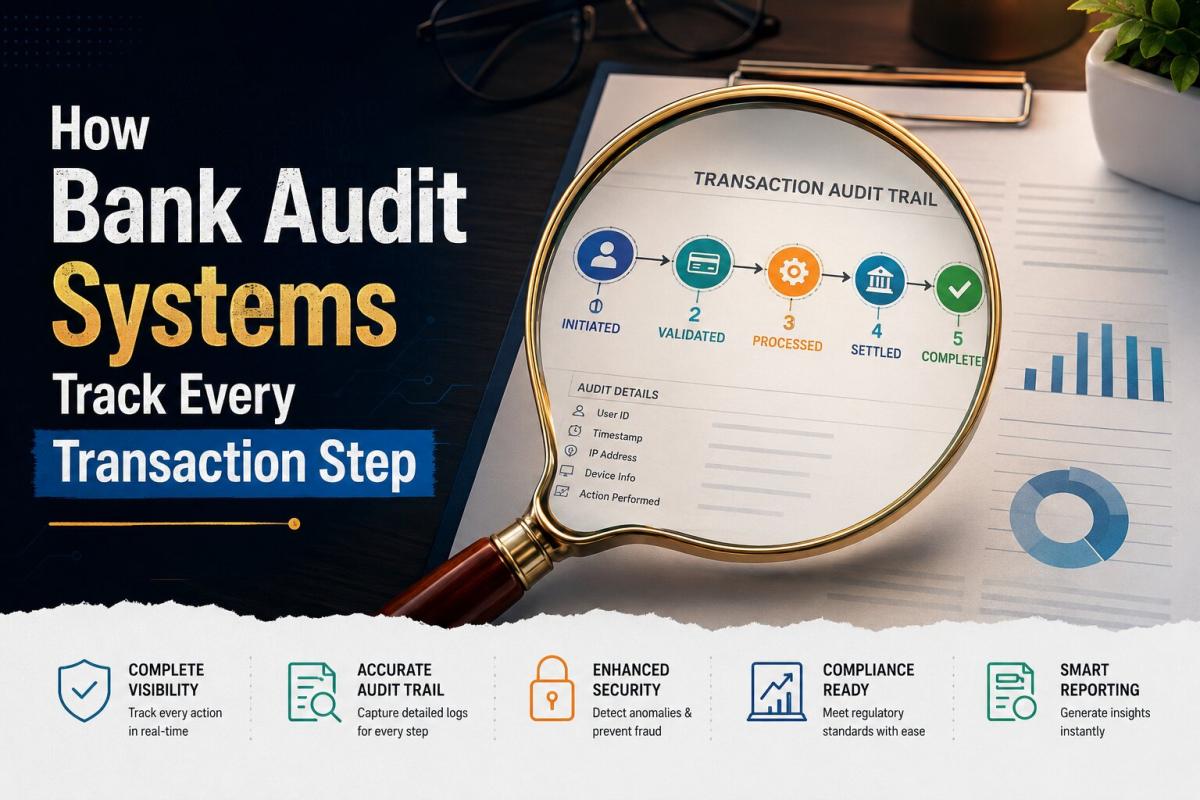
Table of Contents
- Understanding the Invisible Backbone of Banking Transparency
- What Is a Transaction Audit Trail
- How Transactions Move Through Banking Systems
- Key Technologies Behind Audit Tracking
- Why Every Step Is Recorded
- Comparison Table: Manual vs Automated Audit Systems
- How Banks Detect Anomalies Using Audit Trails
- Real World Applications of Audit Tracking
- Challenges in Maintaining Audit Systems
- Best Practices for Effective Audit Tracking
- Frequently Asked Questions
- Final Thoughts on the Power of Transaction Tracking
Understanding the Invisible Backbone of Banking Transparency

Modern banking operates on an intricate web of systems designed not only to process transactions but also to track, verify, and audit every single step. Behind every payment, transfer, or withdrawal lies a powerful audit infrastructure that ensures accuracy, accountability, and compliance with strict financial regulations. Institutions rely heavily on frameworks outlined by organizations like Reserve Bank of India and global standards from Bank for International Settlements to maintain consistent tracking mechanisms.
Bank audit systems function as digital watchdogs, capturing every interaction, from the moment a transaction is initiated to its final settlement. These systems are designed to create an unbroken chain of evidence, often referred to as an “audit trail,” ensuring that no activity goes unrecorded or unnoticed. Regulatory frameworks such as those explained by the Financial Action Task Force emphasize the importance of traceability in preventing financial crimes.
What Is a Transaction Audit Trail
At its core, a transaction audit trail is a chronological record that logs every action associated with a financial operation. It includes timestamps, user IDs, system responses, approval layers, and status changes. According to insights from International Monetary Fund, audit trails are critical for maintaining financial stability and preventing systemic risks.
A complete audit trail typically captures
• Transaction initiation details including source, destination, and amount
• Authentication steps such as OTP verification or biometric validation
• Authorization checks performed by banking systems
• Routing through payment networks
• Final settlement and confirmation logs
These records ensure that even the smallest anomaly can be traced back to its origin.
How Transactions Move Through Banking Systems

Every transaction follows a structured journey through multiple layers of validation and processing. This journey is carefully monitored by audit systems at each checkpoint.
1. Initiation Layer
The process begins when a user initiates a transaction through internet banking, mobile apps, or ATM systems. At this stage, systems log user credentials, device information, and session data. Guidelines from National Payments Corporation of India highlight the importance of capturing device fingerprints to enhance traceability.
2. Authentication Layer
Authentication ensures that the transaction is legitimate. This may involve multi-factor authentication, including passwords, OTPs, or biometrics. Each authentication attempt is logged, including failures, to detect suspicious behavior.
3. Authorization Layer
Once authenticated, the system verifies whether the transaction meets predefined rules such as account balance, daily limits, and fraud detection checks. Reports from Federal Reserve emphasize rule-based authorization as a critical defense against unauthorized transfers.
4. Routing Layer
Transactions are routed through payment networks such as SWIFT or domestic clearing systems. Each hop between systems is recorded with precise timestamps.
5. Settlement Layer
Finally, the transaction is settled, and funds are transferred. Audit systems capture confirmation messages, settlement IDs, and reconciliation data.
Key Technologies Behind Audit Tracking

Bank audit systems rely on advanced technologies to ensure comprehensive tracking.
Real Time Logging Systems
Every action within banking software is logged instantly. These logs are immutable and stored securely, often in distributed environments.
Data Analytics and AI
Advanced analytics systems continuously scan transaction patterns. According to research published by World Bank, AI-driven monitoring significantly improves anomaly detection.
Blockchain Technology
Some banks are experimenting with blockchain to create tamper-proof audit trails. Each transaction is recorded as a block, making it nearly impossible to alter historical data.
Security Information and Event Management Systems
These systems aggregate logs from multiple sources, enabling centralized monitoring and faster detection of irregularities.
Why Every Step Is Recorded
The meticulous tracking of transactions serves multiple purposes
• Preventing fraud and unauthorized access
• Ensuring compliance with regulatory requirements
• Supporting dispute resolution and chargebacks
• Enabling internal and external audits
• Strengthening customer trust
Organizations like Basel Committee on Banking Supervision stress that transparency and traceability are essential pillars of a stable financial system.
Comparison Table: Manual vs Automated Audit Systems
Modern Audit Systems vs Traditional Methods
|
Feature |
Traditional Manual Audits |
Modern Automated Audit Systems |
|
Data Tracking |
Limited and delayed |
Real-time tracking |
|
Accuracy |
Prone to human error |
Highly accurate |
|
Fraud Detection |
Reactive |
Proactive and predictive |
|
Scalability |
Low |
Extremely high |
|
Compliance Reporting |
Time-consuming |
Automated and instant |
|
Audit Trail Integrity |
Can be altered |
Tamper-resistant |
How Banks Detect Anomalies Using Audit Trails
Audit systems do more than record data; they actively analyze it. By comparing transaction patterns over time, systems can flag unusual activities such as
• Sudden high-value transactions
• Multiple failed login attempts
• Transactions from unfamiliar locations
• Rapid successive transfers
Guidelines from European Central Bank indicate that continuous monitoring is crucial for early fraud detection.
Real World Applications of Audit Tracking
Audit systems play a vital role in several practical scenarios
Fraud Investigations
When suspicious activity is detected, audit trails provide a detailed sequence of events, enabling investigators to pinpoint the exact moment of compromise.
Dispute Resolution
In cases of failed or delayed transactions, banks rely on audit logs to determine where the issue occurred and whether funds were debited or credited.
Regulatory Audits
Regulators frequently inspect banks to ensure compliance. Comprehensive audit trails simplify these inspections and reduce operational risks.
System Debugging
Technical teams use audit logs to identify system failures, bugs, or performance bottlenecks.
Challenges in Maintaining Audit Systems
Despite their importance, audit systems face several challenges
• Managing massive volumes of data
• Ensuring data privacy and security
• Integrating with legacy banking systems
• Maintaining real-time processing capabilities
Financial institutions continuously upgrade their infrastructure to address these issues while maintaining compliance with evolving regulations.
Best Practices for Effective Audit Tracking
Banks follow several best practices to ensure robust audit systems
• Implementing end-to-end encryption for data security
• Using automated monitoring tools for real-time alerts
• Regularly updating compliance policies
• Conducting periodic system audits
• Training staff on audit protocols
These practices align with recommendations from global financial authorities and help maintain system integrity.
Frequently Asked Questions
What is the main purpose of a bank audit system
The primary purpose is to track every transaction step, ensuring transparency, security, and compliance with financial regulations.
Can audit trails be modified or deleted
In modern systems, audit trails are designed to be tamper-resistant and cannot be altered without leaving evidence.
How long do banks keep audit records
Retention periods vary depending on regulations, but most banks store audit logs for several years to meet compliance requirements.
Do audit systems operate in real time
Yes, most modern systems track and analyze transactions in real time to detect anomalies instantly.
Are audit systems used only for fraud detection
No, they are also used for compliance, dispute resolution, system monitoring, and performance analysis.
How do audit systems improve customer trust
By ensuring transparency and accountability, audit systems reassure customers that their transactions are secure and traceable.
Final Thoughts on the Power of Transaction Tracking
Bank audit systems form the backbone of financial accountability, quietly ensuring that every transaction is traceable, verifiable, and secure. From initiation to settlement, each step is meticulously recorded, creating a comprehensive digital footprint that supports fraud prevention, regulatory compliance, and operational efficiency. As banking continues to evolve with new technologies, audit systems are becoming even more sophisticated, leveraging artificial intelligence, real-time analytics, and distributed ledgers to enhance transparency.
The growing complexity of financial ecosystems demands stronger and more intelligent audit frameworks. Institutions that invest in robust audit systems not only protect themselves from risks but also build long-term trust with customers and regulators. The future of banking will increasingly rely on these systems to maintain integrity in an ever-expanding digital landscape, ensuring that every transaction, no matter how small, is accounted for with precision and reliability.
Related Blogs
Published on May 06, 2026
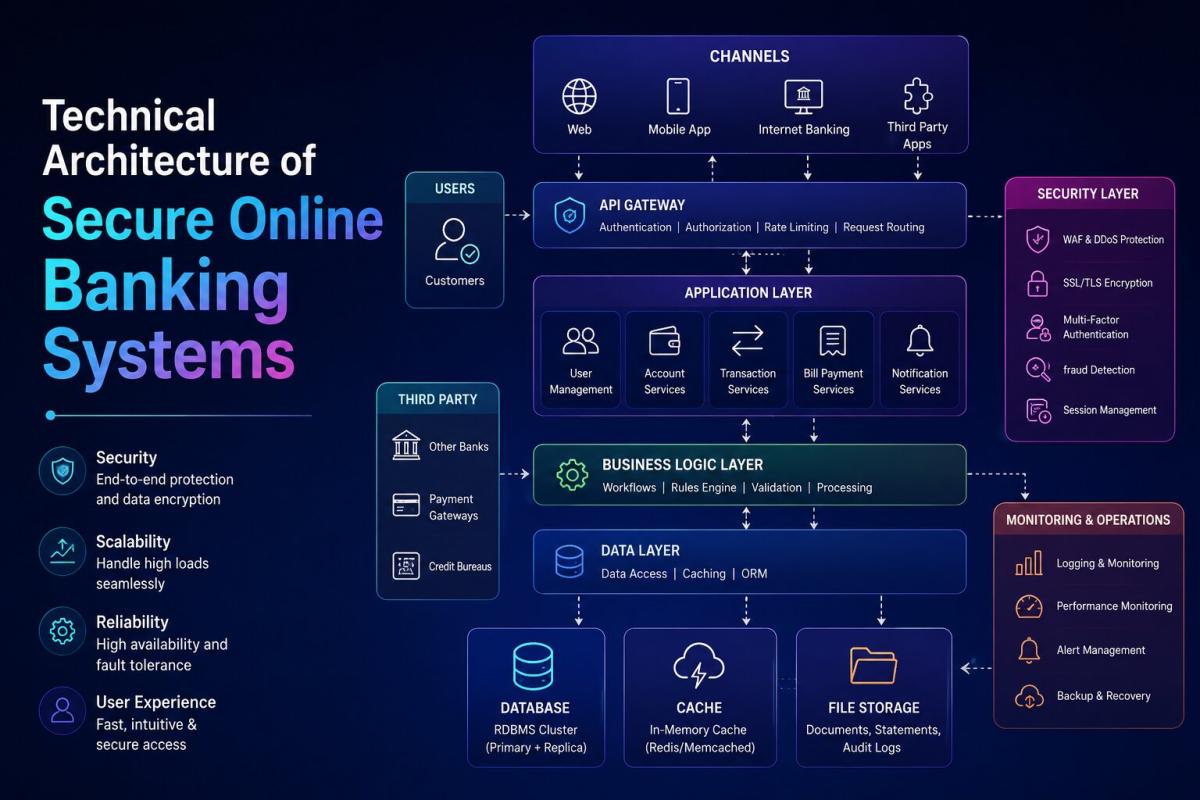
Technical Architecture of Secure Online Banking Systems
Explore the technical architecture of secure online banking systems, including layered security, encryption, authentication, APIs, and fraud detection that protect digital transactions.
Priya Nair
Senior Compliance Editor at IFSC.co
Published on Apr 28, 2026
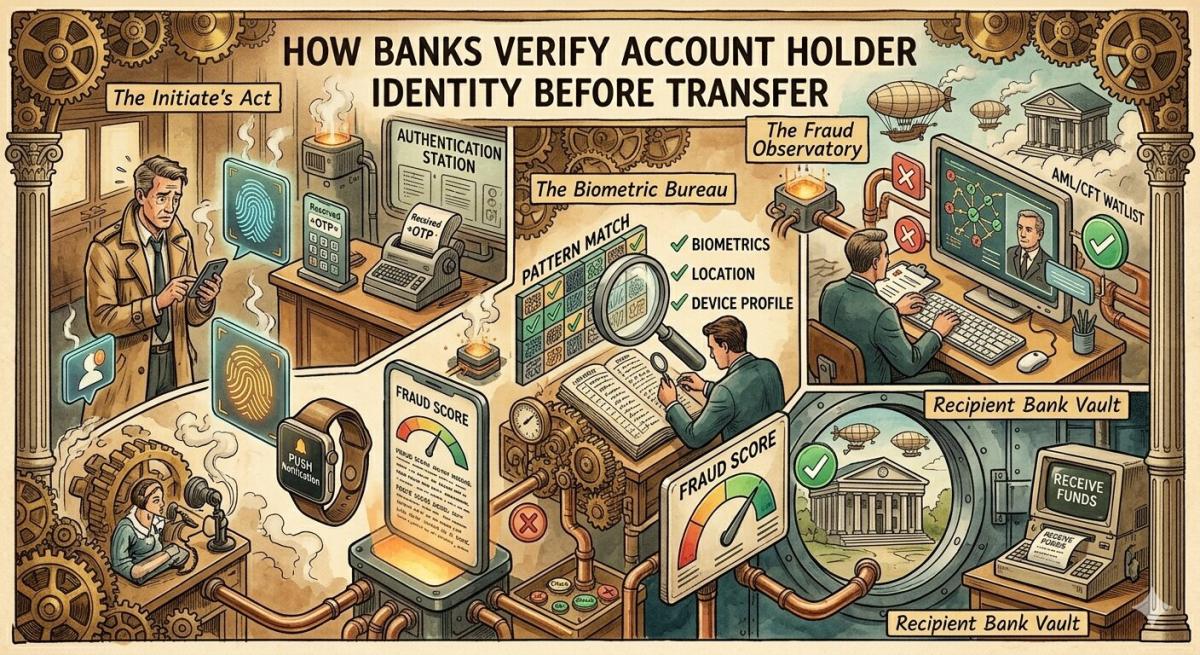
How Banks Verify Account Holder Identity Before Transfer
Learn how banks verify account holder identity before transfers using KYC, OTP, biometrics, and real-time fraud detection to ensure secure and compliant digital transactions.
Priya Nair
Senior Compliance Editor at IFSC.co
Published on Apr 28, 2026
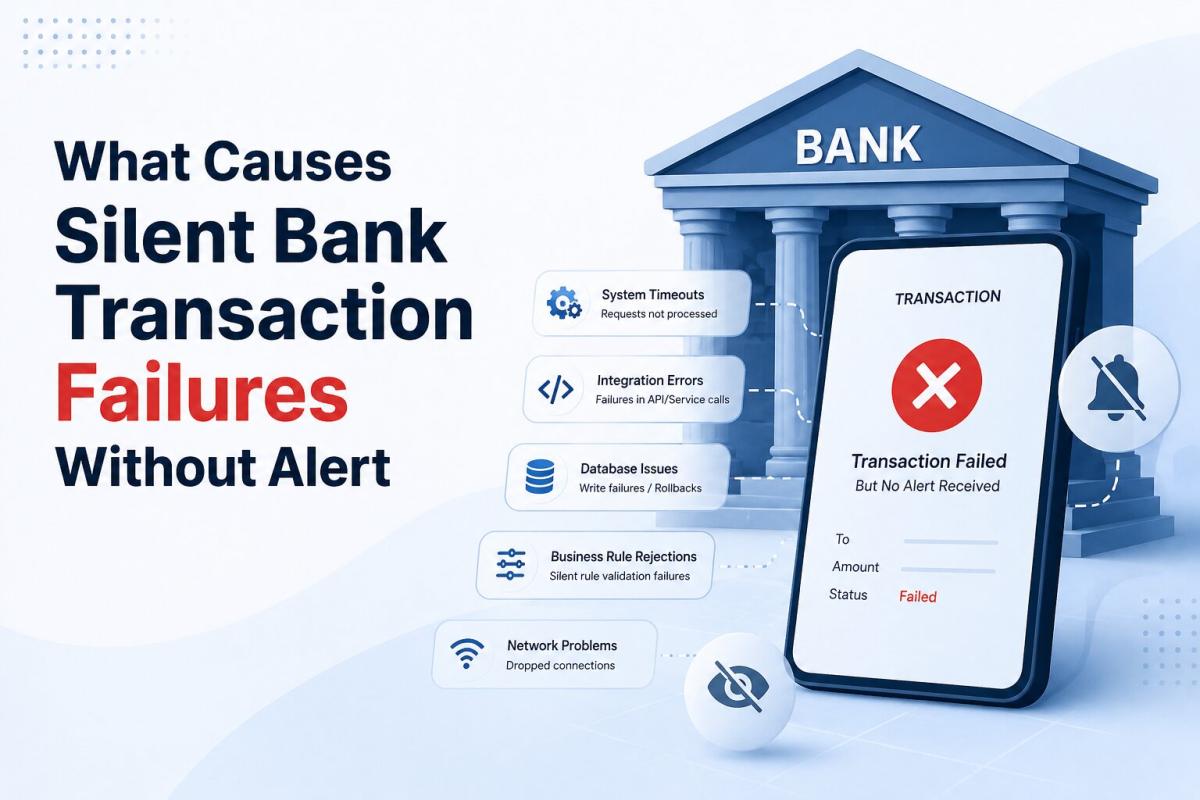
What Causes Silent Bank Transaction Failures Without Alert
Discover the key causes of silent bank transaction failures, including network timeouts, API issues, system delays, and how banks resolve these hidden payment errors.
Priya Nair
Senior Compliance Editor at IFSC.co
Published on Apr 28, 2026
Real Time Bank Transaction Authentication Process Explained
Understand how real-time bank transaction authentication works using OTP, biometrics, encryption, and AI-driven fraud detection to secure digital payments instantly.
Priya Nair
Senior Compliance Editor at IFSC.co
Published on Apr 09, 2026
Fraud Prevention: Security Checks Before Bank Transfer Approval
Learn how banks use KYC verification, AI-powered fraud detection, transaction monitoring, MFA, AML compliance, and human oversight to secure bank transfers and prevent fraud in 2026.
Priya Nair
Senior Compliance Editor at IFSC.co
calculate Financial Calculators
EMI Calculator
FD Calculator
GST Calculator
Lumpsum Calculator
Mutual Fund Returns Calculator
PPF Calculator
RD Calculator
SIP Calculator
SWP Calculator
article Latest Blog Posts
ELSS vs PPF vs NPS: Which Tax-Saving Investment Gives the Best Returns?
Compare ELSS vs PPF vs NPS to find the best tax-saving investment. Understand returns, lock-in periods, and features to choose what suits your goals.
SIP & Investing • 11 MINS READ
How to Start SIP with ₹500 Per Month: Beginner's Guide to Mutual Funds
Learn how to start a SIP with ₹500 per month in mutual funds. Simple beginner’s guide to investing, building wealth, and growing money with small steps.
SIP & Investing • 13 MINS READ
Senior Citizen FD Rates 2026: Which Banks Offer the Highest Interest?
Compare senior citizen FD rates in 2026 and find which banks offer the highest interest. Learn about returns, tenures, and tips to choose the best FD.
FD, PPF & Savings • 12 MINS READ
Sukanya Samriddhi Yojana (SSY): Interest Rate, Rules & Calculator Guide 2026
Learn about Sukanya Samriddhi Yojana (SSY) including eligibility criteria, required documentation, step by step application process, tax benefits explanation and comparison b/w SSY, PPF and FD
FD, PPF & Savings • 11 MINS READ
2 reasons why online banking is important in today’s COVID-19 situation
Discover why online banking became essential during COVID-19. Learn how digital banking ensured safety, convenience, and uninterrupted financial services.
Digital Banking • 4 MINS READ