Backend Processing of UPI and IFSC Based Transfers Explained in Depth
Explore the backend processing of UPI and IFSC-based transfers, comparing real-time APIs, batch settlement systems, and how NPCI and RBI power secure digital payments in India.
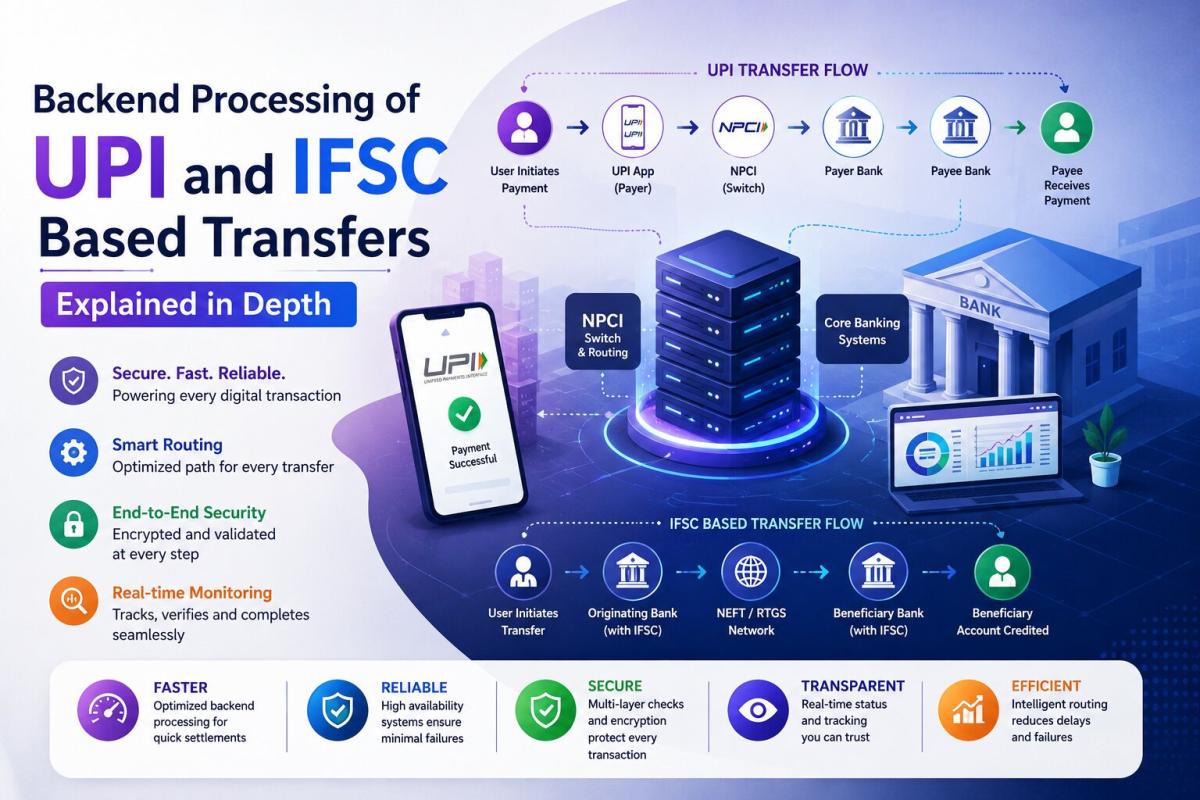
Table of Contents
- Understanding the Core Infrastructure of Digital Payments
- What Happens in a UPI Transaction Backend
- Backend Processing of IFSC Based Transfers
- Real Time vs Batch Processing: A Critical Difference
- Security Layers in Backend Processing
- Comparison Table: UPI vs IFSC Backend Processing
- Role of NPCI and RBI in Backend Systems
- Challenges in Backend Processing
- Future Trends in Payment Backend Systems
- Frequently Asked Questions
- Conclusion
Understanding the Core Infrastructure of Digital Payments
Digital payments in India have evolved into one of the most sophisticated financial ecosystems in the world. At the center of this transformation are two critical systems: UPI based transfers and IFSC based bank transfers. While both allow seamless money movement, the backend processes powering them are very different in design, speed, and architecture. Understanding how these systems work behind the scenes helps businesses, developers, and even everyday users better appreciate their reliability and efficiency.

At the foundation of both systems lies a complex network of banking infrastructure, payment switches, and regulatory oversight led by Reserve Bank of India and National Payments Corporation of India. These institutions ensure that every transaction is secure, traceable, and compliant.
In UPI systems, the architecture is designed for real time communication between banks through a central switching system managed by NPCI. In contrast, IFSC based transfers operate through structured batch or semi real time settlement systems like NEFT, RTGS, and IMPS, each with its own processing rules.
For deeper technical standards, references such as the RBI payment system framework and NPCI documentation provide authoritative insights into how digital payments are governed.
What Happens in a UPI Transaction Backend

A UPI transaction may look simple on the surface, but its backend involves multiple real time checks and communication layers.
Step by Step Backend Flow
When a user initiates a UPI payment, the following sequence takes place:
• The user enters payment details such as UPI ID or scans a QR code
• The app sends a request to the Payment Service Provider which connects to NPCI
• NPCI routes the request to the sender’s bank for authentication
• The sender’s bank verifies credentials using PIN authentication
• Upon approval, NPCI forwards the request to the receiver’s bank
• The receiver’s bank credits the amount instantly
• A confirmation is sent back through NPCI to both parties
Key Backend Components
• Payment Service Providers like apps handle user interface and communication
• NPCI switch acts as the central routing system
• Issuing bank validates and debits funds
• Beneficiary bank receives and credits funds
The entire process usually completes within seconds due to real time API communication and high availability systems.
Authoritative insights from RBI digital payment reports and NPCI UPI guidelines explain how real time settlement and interoperability are achieved across banks.
Backend Processing of IFSC Based Transfers

IFSC based transfers rely on bank account numbers and IFSC codes to route funds through different payment systems.
Types of IFSC Based Transfers
• NEFT which operates in batch cycles
• RTGS which processes high value transactions in real time
• IMPS which offers instant transfers similar to UPI
Backend Workflow
For a typical IFSC based transfer:
• The sender enters account number and IFSC code
• The bank validates account details internally
• The transaction is routed to a payment system like NEFT or RTGS
• The central system processes the request based on settlement cycles
• Funds are credited to the beneficiary bank account
• Confirmation is generated after settlement
Unlike UPI, which uses a unified interface, IFSC transfers depend heavily on bank core systems and centralized clearing mechanisms.
According to RBI payment settlement documentation, NEFT operates in half hourly batches, while RTGS processes transactions individually for high value transfers.
Real Time vs Batch Processing: A Critical Difference
One of the biggest distinctions between UPI and IFSC transfers lies in how transactions are processed.
UPI Real Time Model
• Instant request and response cycle
• Immediate fund transfer
• 24 by 7 availability
IFSC Batch and Structured Processing
• NEFT uses batch processing
• RTGS is real time but limited to high value
• IMPS is instant but requires account details
This difference impacts user experience, especially in urgent transactions where UPI provides unmatched speed.
Security Layers in Backend Processing

Security is deeply embedded in both systems through multiple layers.
UPI Security
• Two factor authentication using PIN
• Device binding and app level security
• Encrypted communication between banks
IFSC Transfer Security
• Account validation checks
• Bank level authentication
• Settlement system verification
Institutions like RBI enforce strict cybersecurity guidelines and frameworks such as payment data security standards to ensure fraud prevention and transaction integrity.
Comparison Table: UPI vs IFSC Backend Processing
Key Differences Between UPI and IFSC Transfers
|
Feature |
UPI Transfers |
IFSC Transfers |
|
Processing Speed |
Instant |
Batch or real time depending on system |
|
Infrastructure |
NPCI centralized switch |
Bank and RBI settlement systems |
|
Availability |
24 by 7 |
Depends on system type |
|
User Input |
UPI ID or QR |
Account number and IFSC |
|
Settlement |
Immediate |
Delayed or scheduled |
|
Complexity |
API driven |
Core banking driven |
This comparison highlights how UPI simplifies user experience while IFSC systems offer structured and secure transfer mechanisms.
Role of NPCI and RBI in Backend Systems
The coordination between National Payments Corporation of India and Reserve Bank of India ensures that both UPI and IFSC systems operate efficiently.
NPCI manages UPI infrastructure and ensures interoperability across banks, while RBI regulates settlement systems like NEFT and RTGS.
Official guidelines and whitepapers from these institutions provide deep insights into transaction lifecycle management and system resilience.
Challenges in Backend Processing
Despite high efficiency, certain challenges exist:
• Network latency causing transaction delays
• Bank server downtime affecting processing
• Reconciliation issues in failed transactions
• High transaction load during peak hours
These challenges are addressed through advanced load balancing, redundancy systems, and continuous monitoring.
Future Trends in Payment Backend Systems
The future of digital payments in India is moving toward:
• AI driven fraud detection systems
• Blockchain based settlement experiments
• Enhanced real time processing capabilities
• Cross border payment integration
Reports from RBI innovation hubs and NPCI initiatives indicate ongoing upgrades to make systems faster and more secure.
Frequently Asked Questions
What makes UPI faster than IFSC transfers
UPI uses real time API communication and instant settlement through NPCI, while IFSC transfers often depend on batch processing systems like NEFT.
Is IFSC transfer still relevant with UPI
Yes, IFSC transfers are essential for large transactions, international banking integration, and structured settlements like RTGS.
What happens if a UPI transaction fails
The system automatically reverses the amount within a defined time frame if the transaction is unsuccessful.
Can IFSC transfers be instant
IMPS allows instant IFSC based transfers, but NEFT and RTGS follow different processing rules.
Are UPI transactions secure
Yes, UPI uses multi layer authentication and encryption to ensure secure transactions.
Why do some bank transfers take time
Delays can occur due to batch processing, bank server issues, or settlement cycles.
Conclusion
The backend processing of UPI and IFSC based transfers reflects a balance between innovation and structured financial systems. UPI represents a modern, API driven approach designed for speed and convenience, enabling millions of transactions every minute with near instant settlement. IFSC based systems, on the other hand, provide a robust and time tested framework that supports high value transactions and structured financial flows.
Together, these systems form the backbone of India’s digital payment ecosystem, supported by regulatory oversight from RBI and technological infrastructure managed by NPCI. As financial technology continues to evolve, both systems are expected to become even more efficient, secure, and interconnected, ensuring seamless money movement across individuals, businesses, and institutions.
Understanding these backend processes not only builds trust in digital payments but also helps businesses and developers design better financial solutions aligned with modern banking infrastructure.
Related Blogs
Published on May 06, 2026
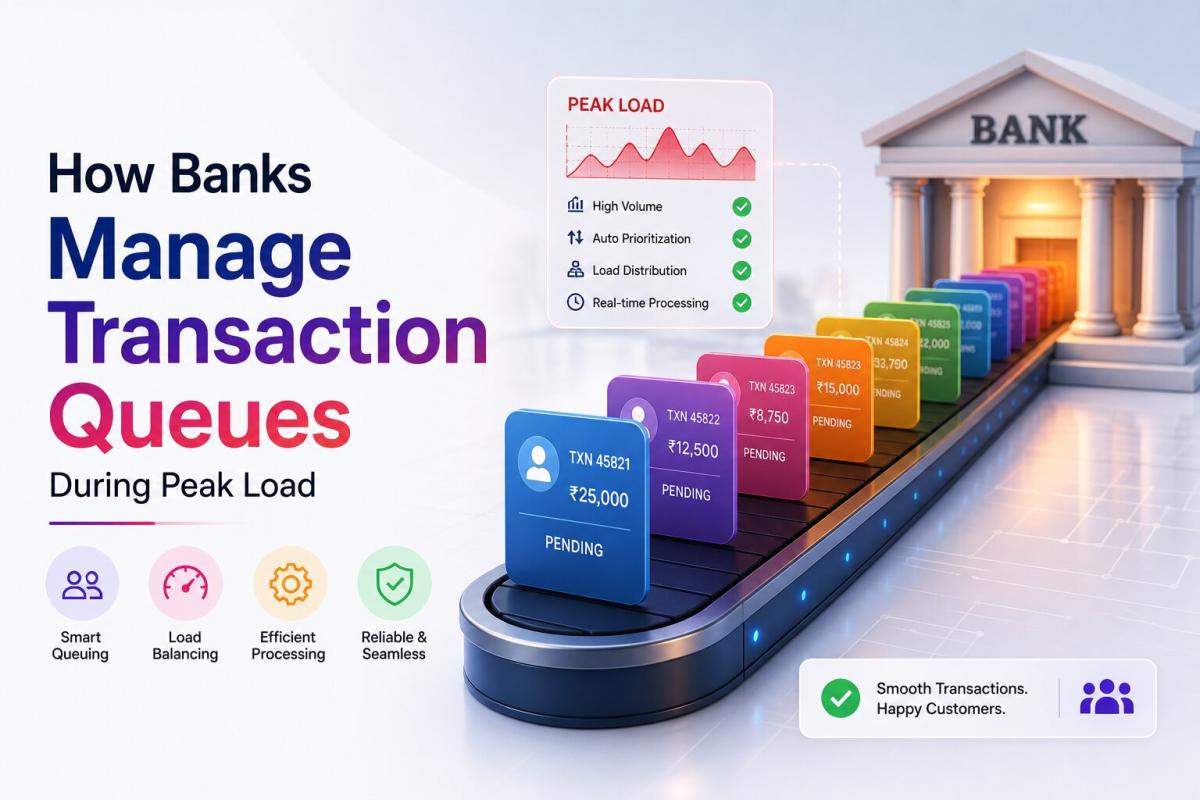
How Banks Manage Transaction Queues During Peak Load
Learn how banks manage transaction queues during peak load using distributed systems, priority queues, load balancing, and real-time processing to ensure fast and reliable payments. Author
Arjun Sharma
Content Lead – Banking & Payments
Published on May 06, 2026
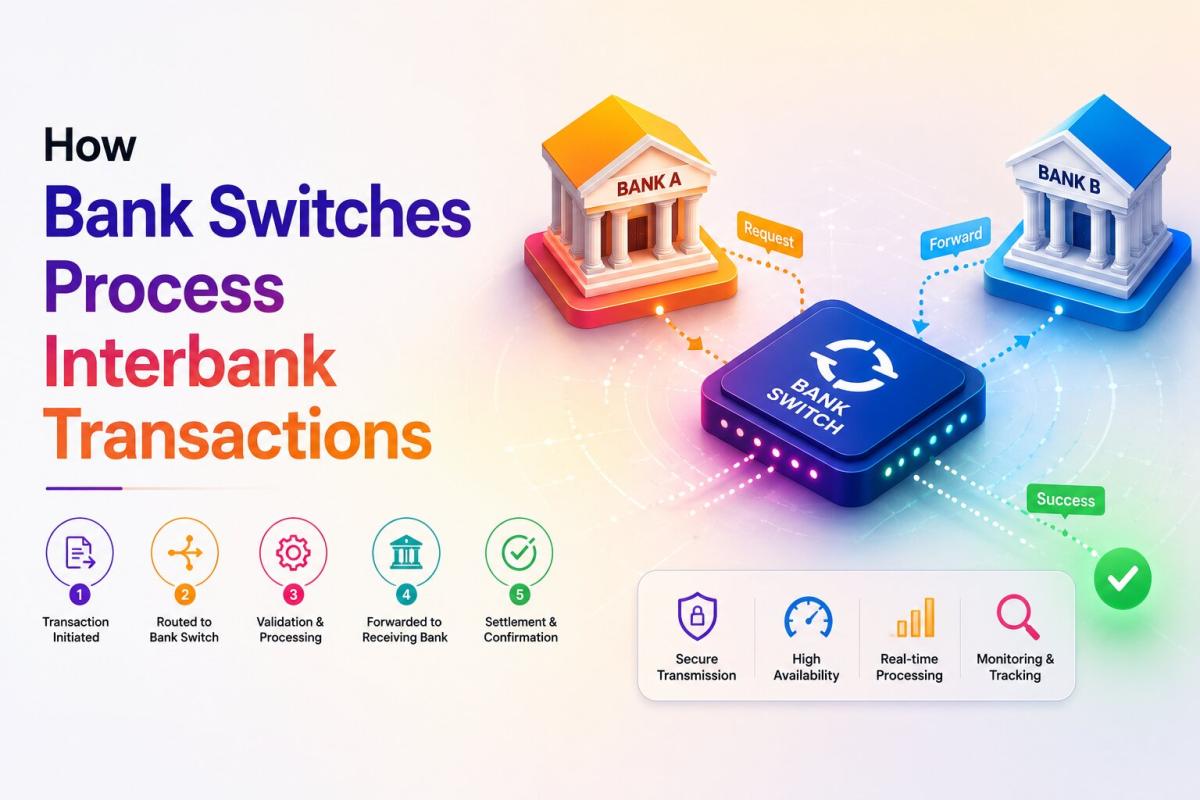
How Bank Switches Process Interbank Transactions
Learn how bank switches process interbank transactions by routing, authorizing, and securing payments between banks in real time using advanced switching systems and payment networks.
Arjun Sharma
Content Lead – Banking & Payments
Published on May 06, 2026
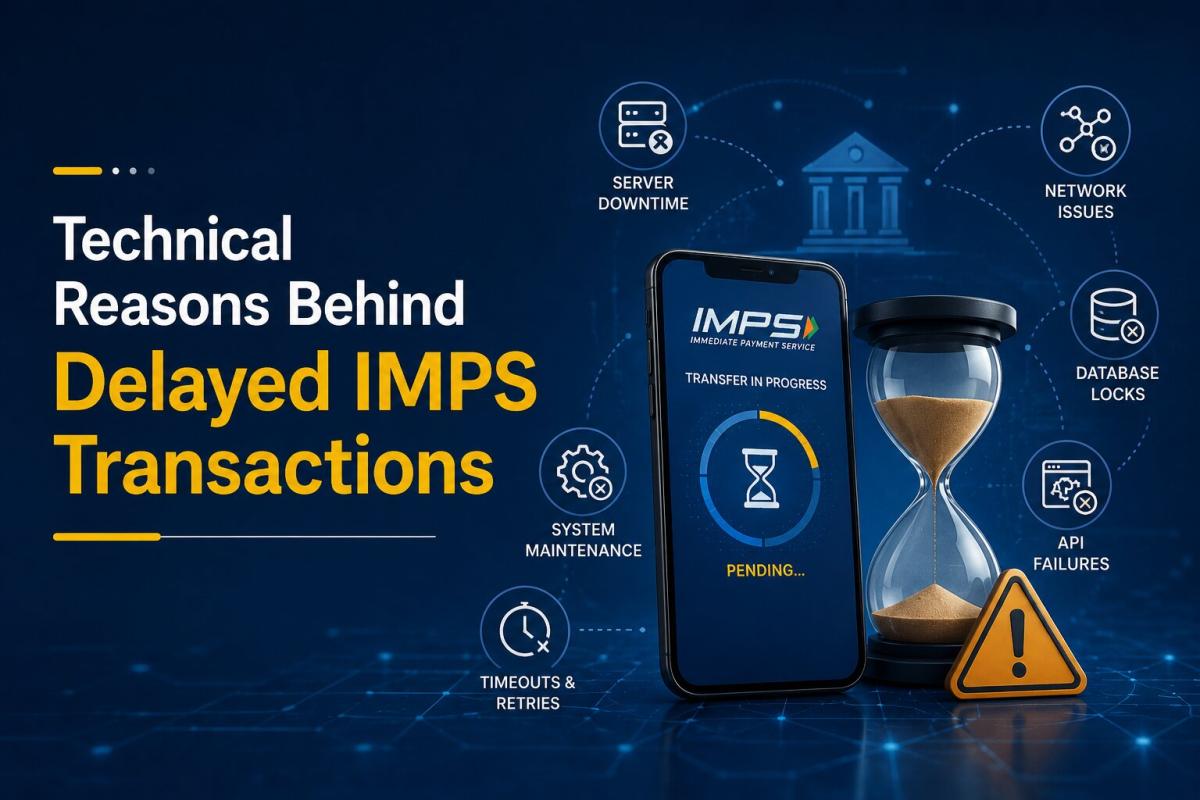
Technical Reasons Behind Delayed IMPS Transactions
Explore the technical reasons behind delayed IMPS transactions, including network latency, server downtime, bank processing delays, API failures, and high transaction volumes.
Arjun Sharma
Content Lead – Banking & Payments
Published on Apr 28, 2026
How Banks Sync Data Between Branches Instantly
Learn how banks sync data instantly across branches using core banking systems, real-time processing, high-speed networks, and secure database technologies.
Arjun Sharma
Content Lead – Banking & Payments
Published on Apr 28, 2026
Internal Workflow of Failed NEFT Transaction Handling
Understand the internal workflow of failed NEFT transactions, including validation errors, settlement failures, automated reversals, and reconciliation processes in banking systems.
Arjun Sharma
Content Lead – Banking & Payments
calculate Financial Calculators
EMI Calculator
FD Calculator
GST Calculator
Lumpsum Calculator
Mutual Fund Returns Calculator
PPF Calculator
RD Calculator
SIP Calculator
SWP Calculator
article Latest Blog Posts
ELSS vs PPF vs NPS: Which Tax-Saving Investment Gives the Best Returns?
Compare ELSS vs PPF vs NPS to find the best tax-saving investment. Understand returns, lock-in periods, and features to choose what suits your goals.
SIP & Investing • 11 MINS READ
How to Start SIP with ₹500 Per Month: Beginner's Guide to Mutual Funds
Learn how to start a SIP with ₹500 per month in mutual funds. Simple beginner’s guide to investing, building wealth, and growing money with small steps.
SIP & Investing • 13 MINS READ
Senior Citizen FD Rates 2026: Which Banks Offer the Highest Interest?
Compare senior citizen FD rates in 2026 and find which banks offer the highest interest. Learn about returns, tenures, and tips to choose the best FD.
FD, PPF & Savings • 12 MINS READ
Sukanya Samriddhi Yojana (SSY): Interest Rate, Rules & Calculator Guide 2026
Learn about Sukanya Samriddhi Yojana (SSY) including eligibility criteria, required documentation, step by step application process, tax benefits explanation and comparison b/w SSY, PPF and FD
FD, PPF & Savings • 11 MINS READ
2 reasons why online banking is important in today’s COVID-19 situation
Discover why online banking became essential during COVID-19. Learn how digital banking ensured safety, convenience, and uninterrupted financial services.
Digital Banking • 4 MINS READ