How Bank Switches Process Interbank Transactions
Learn how bank switches process interbank transactions by routing, authorizing, and securing payments between banks in real time using advanced switching systems and payment networks.
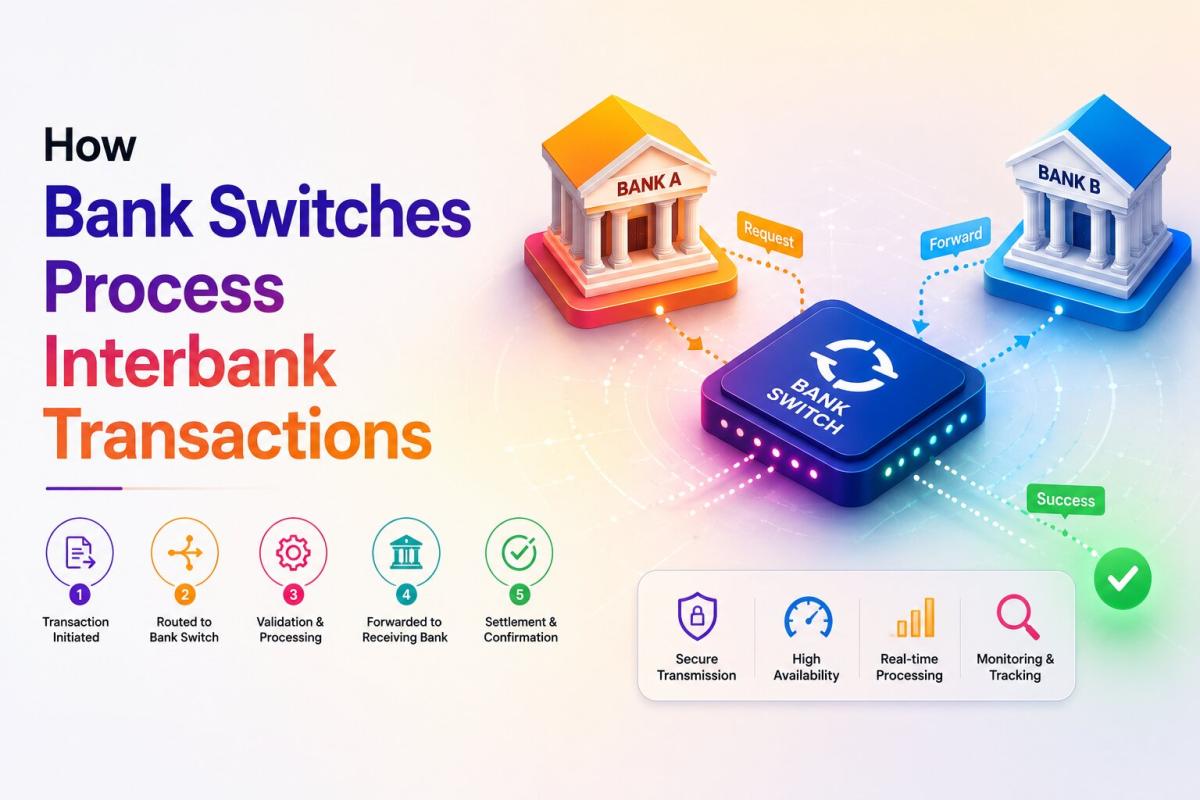
Table of Contents
- Understanding the Invisible Engine Behind Every Transfer
- What Exactly Is a Bank Switch
- Step by Step Process of an Interbank Transaction
- Types of Bank Switching Systems
- Key Technologies Behind Bank Switches
- Comparison Table of Interbank Transaction Systems
- Real World Example of a Transaction Flow
- Challenges Faced by Bank Switches
- Future of Bank Switching Systems
- Frequently Asked Questions
- Conclusion
Understanding the Invisible Engine Behind Every Transfer

Every time money moves from one bank account to another, a complex digital orchestration takes place behind the scenes. This process is not handled directly by the banks alone. Instead, a specialized system called a bank switch acts as the central traffic controller, ensuring that transactions are routed, verified, authorized, and settled efficiently across different financial institutions. Whether it is a card swipe at a store, an ATM withdrawal, or an online transfer, the bank switch is constantly working in the background to make everything appear seamless and instant.
A bank switch is essentially a high performance transaction processing system that connects multiple banks, payment networks, and financial services. It acts as an intermediary layer that receives transaction requests, identifies the correct destination, and securely routes the request to the appropriate bank or network. According to insights published by organizations like the Bank for International Settlements, payment infrastructure relies heavily on such switching systems to maintain global financial stability and efficiency.
What Exactly Is a Bank Switch
A bank switch is a centralized platform that processes financial transaction messages between different banks. It translates, routes, and manages these messages using standardized protocols such as ISO 8583 or ISO 20022. These protocols ensure that all participating systems can understand each other, even if they are built on different technologies.
For example, when a debit card is used at a merchant terminal, the request does not go directly to the issuing bank. Instead, it first reaches a payment switch, which then determines where the request should go next. The switch evaluates the card details, identifies the issuing bank, and forwards the request accordingly.
Financial networks such as SWIFT and National Payments Corporation of India rely heavily on switching mechanisms to enable cross bank communication and interoperability.
Step by Step Process of an Interbank Transaction

Understanding how a bank switch processes interbank transactions becomes clearer when broken down into stages
1. Transaction Initiation
A transaction begins when a user performs an action such as withdrawing cash, making a card payment, or initiating an online transfer. The request is captured by a front end system such as an ATM, POS terminal, or mobile banking app.
At this stage, the request includes essential details such as account number, transaction amount, timestamp, and authentication data.
2. Transmission to Acquiring Bank
The request is first sent to the acquiring bank, which is the bank that owns the payment terminal or platform. The acquiring bank then forwards this request to the bank switch.
3. Switch Identification and Routing
The bank switch analyzes the request and identifies the issuing bank based on identifiers such as card BIN or account details. It then routes the request to the correct destination.
This routing process is optimized for speed and accuracy, often taking milliseconds. Systems described by the Federal Reserve highlight how routing efficiency is critical in high volume transaction environments.
4. Authorization by Issuing Bank
The issuing bank receives the request and performs multiple checks
• Account balance verification
• Fraud detection analysis
• Authentication validation
If everything is valid, the issuing bank sends an approval response back through the same switch.
5. Response Delivery
The switch routes the response back to the acquiring bank, which then informs the terminal or application. This entire loop typically completes in seconds.
6. Settlement and Reconciliation
Although authorization happens instantly, actual settlement occurs later in batches. Institutions like Reserve Bank of India regulate settlement systems to ensure accuracy and compliance.
Types of Bank Switching Systems

Different types of switches operate depending on the nature of transactions
ATM Switch
Handles cash withdrawals, balance inquiries, and ATM based services across multiple banks
POS Switch
Processes card payments made at retail locations and merchant terminals
Online Payment Switch
Supports internet banking, mobile payments, and digital wallets
National Payment Switch
Operates at a country level enabling systems like UPI, IMPS, or FAST payments
Organizations like Visa and Mastercard operate global switching systems that connect thousands of banks worldwide.
Key Technologies Behind Bank Switches
Bank switches rely on advanced technologies to ensure reliability and speed
High Availability Systems
Switches operate 24 by 7 with minimal downtime using redundant servers and failover systems
Real Time Processing
Transactions are processed in real time with extremely low latency
Encryption and Security
Sensitive data is encrypted using standards such as PCI DSS guidelines from the PCI Security Standards Council
Fraud Detection Engines
AI based monitoring systems detect suspicious patterns and prevent unauthorized transactions
Message Standardization
Protocols like ISO 8583 ensure consistency in communication across different systems
Comparison Table of Interbank Transaction Systems
Comparing Key Switching and Settlement Systems
|
Feature |
Real Time Gross Settlement |
Deferred Net Settlement |
Card Network Switch |
|
Processing Speed |
Immediate |
Batch based |
Near real time |
|
Settlement Type |
Individual |
Netted |
Hybrid |
|
Risk Level |
Low |
Moderate |
Controlled |
|
Use Case |
Large value transfers |
Bulk transactions |
Retail payments |
|
Regulatory Control |
High |
Medium |
Network governed |
This comparison helps clarify how different systems rely on switching infrastructure to handle varying transaction volumes and priorities.
Real World Example of a Transaction Flow

Consider a scenario where a user sends money using a mobile payment app. The request is initiated through the app and passed to the payment service provider. The provider forwards it to the national switch such as UPI. The switch identifies the recipient bank and routes the request. The receiving bank validates the transaction and confirms the transfer. The response is sent back through the switch to the sender.
This entire process happens within seconds, demonstrating the efficiency of modern switching systems supported by frameworks documented by the International Monetary Fund.
Challenges Faced by Bank Switches
Despite their efficiency, bank switches encounter several challenges
High Transaction Volume
Handling millions of transactions per second requires scalable infrastructure
Security Threats
Cyber attacks and fraud attempts constantly target payment systems
System Downtime Risks
Even a few minutes of downtime can impact thousands of transactions
Integration Complexity
Different banks use different systems, making interoperability a challenge
Reports from the World Bank emphasize the need for continuous upgrades in payment infrastructure to address these issues.
Future of Bank Switching Systems

The future of bank switches is evolving rapidly with advancements in technology
Artificial Intelligence Integration
AI will enhance fraud detection and transaction optimization
Blockchain Adoption
Decentralized systems may redefine how interbank transactions are processed
Cloud Based Infrastructure
Cloud computing will enable more scalable and flexible switching systems
Real Time Global Payments
Cross border payments will become faster and more efficient
Innovations highlighted by institutions like the European Central Bank show a clear shift toward instant payment ecosystems.
Frequently Asked Questions
What is the role of a bank switch in transactions
A bank switch routes transaction requests between banks, ensuring secure and efficient communication
How fast does a bank switch process transactions
Most switches process transactions within milliseconds, enabling near instant responses
Are bank switches secure
Yes, they use encryption, authentication, and fraud detection systems to ensure security
Do all transactions go through a switch
Most interbank transactions and card payments rely on switching systems
What happens if a switch fails
Backup systems and failover mechanisms ensure continuity and minimize disruptions
How is settlement different from authorization
Authorization confirms the transaction instantly while settlement transfers funds later
Can switches handle international transactions
Yes, global networks like SWIFT enable cross border transaction routing
Why do some transactions fail
Failures can occur due to insufficient balance, network issues, or security checks
Conclusion
Bank switches serve as the backbone of modern financial systems, enabling seamless interaction between banks that would otherwise operate in isolation. Their ability to process, route, and secure transactions in real time has transformed how money moves across the world. From simple ATM withdrawals to complex cross border transfers, every transaction depends on the efficiency of switching systems.
As financial ecosystems continue to evolve, bank switches are becoming more intelligent, scalable, and secure. The integration of advanced technologies such as artificial intelligence, cloud computing, and blockchain is pushing the boundaries of what these systems can achieve. At the same time, regulatory oversight and global standards ensure that these innovations remain reliable and trustworthy.
Understanding how bank switches process interbank transactions provides valuable insight into the hidden infrastructure powering everyday financial activities. This knowledge not only builds awareness but also highlights the importance of robust digital systems in maintaining economic stability and user confidence.
Related Blogs
Published on May 06, 2026
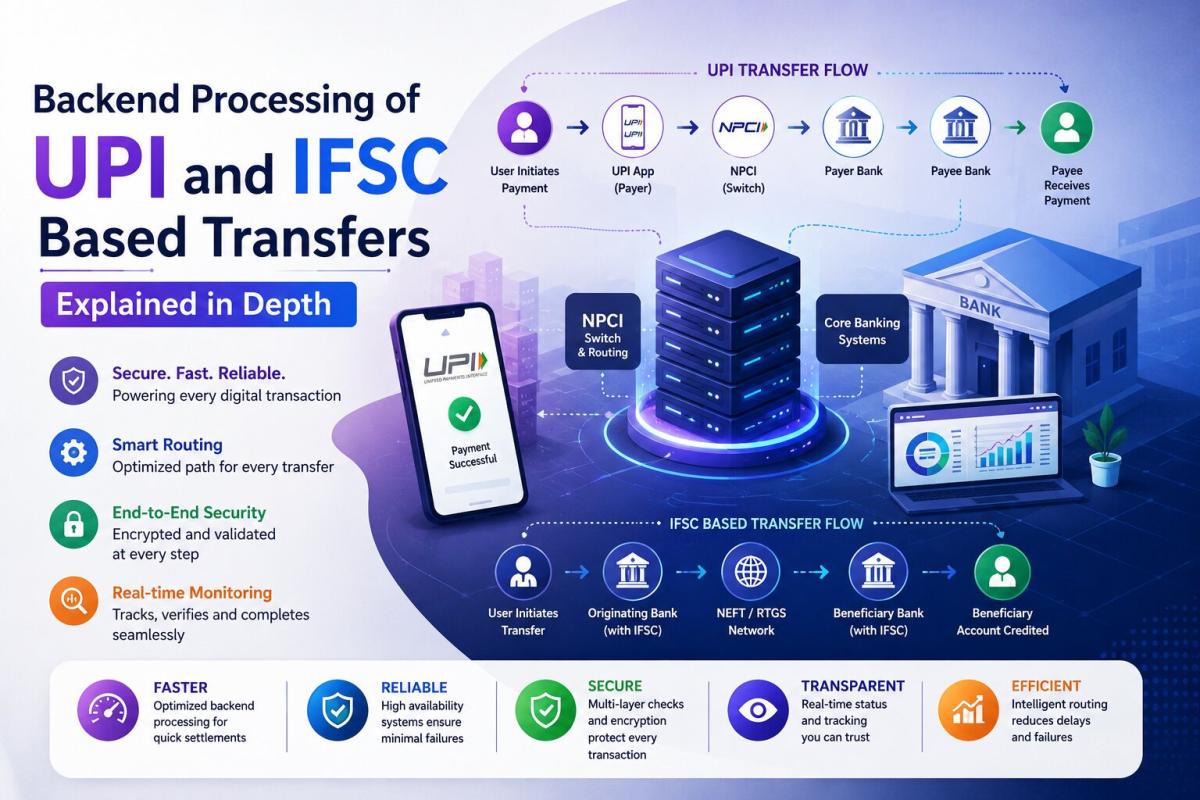
Backend Processing of UPI and IFSC Based Transfers Explained in Depth
Explore the backend processing of UPI and IFSC-based transfers, comparing real-time APIs, batch settlement systems, and how NPCI and RBI power secure digital payments in India.
Arjun Sharma
Content Lead – Banking & Payments
Published on May 06, 2026
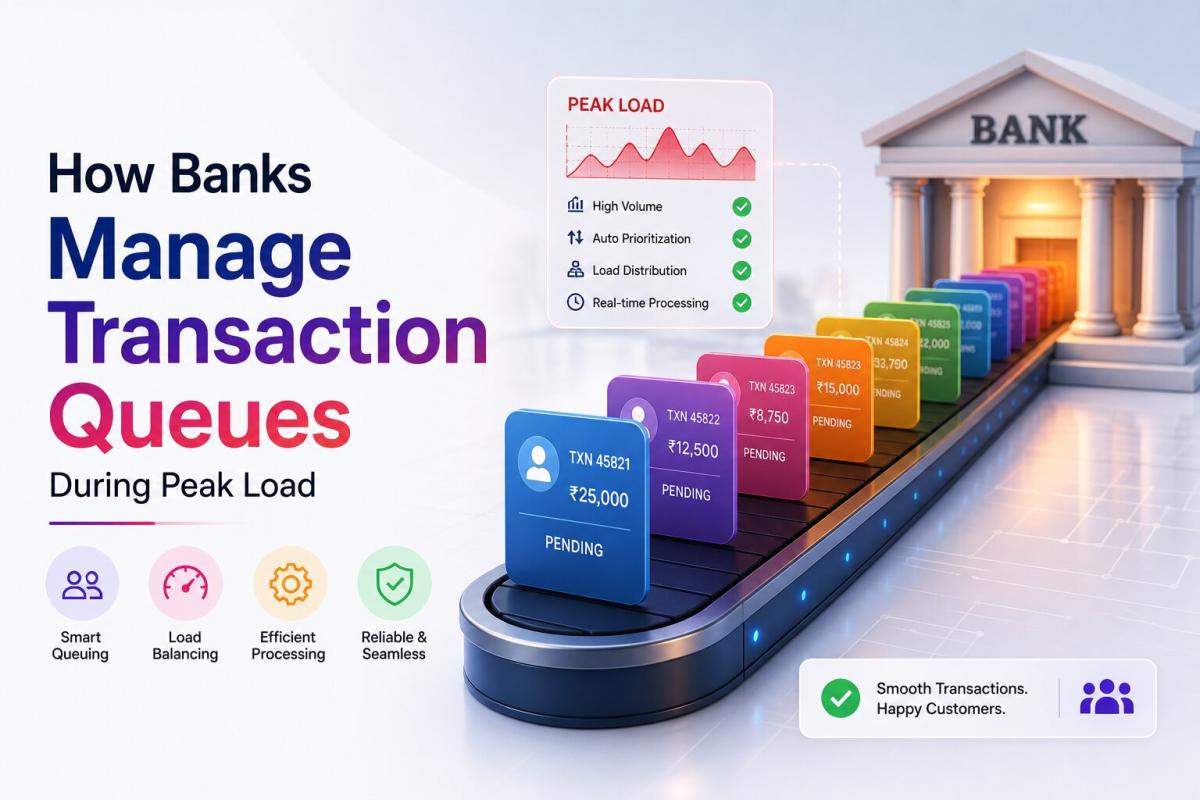
How Banks Manage Transaction Queues During Peak Load
Learn how banks manage transaction queues during peak load using distributed systems, priority queues, load balancing, and real-time processing to ensure fast and reliable payments. Author
Arjun Sharma
Content Lead – Banking & Payments
Published on May 06, 2026
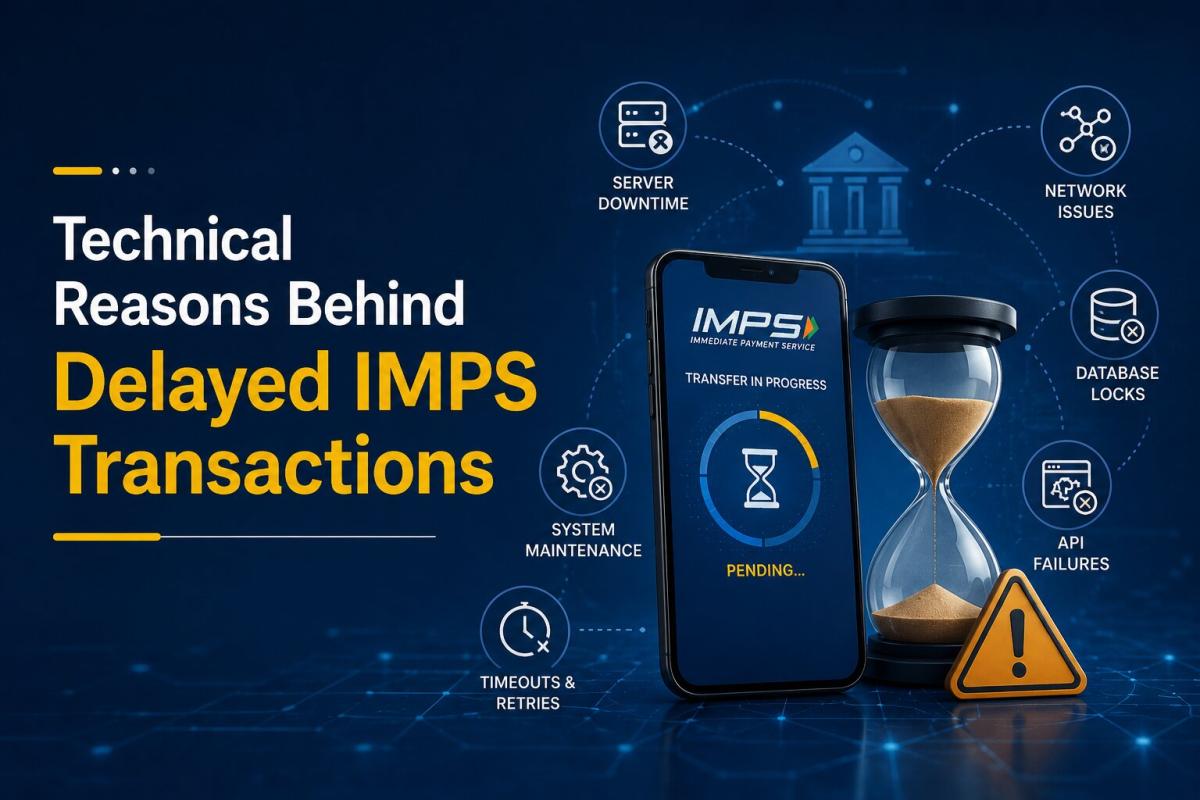
Technical Reasons Behind Delayed IMPS Transactions
Explore the technical reasons behind delayed IMPS transactions, including network latency, server downtime, bank processing delays, API failures, and high transaction volumes.
Arjun Sharma
Content Lead – Banking & Payments
Published on Apr 28, 2026
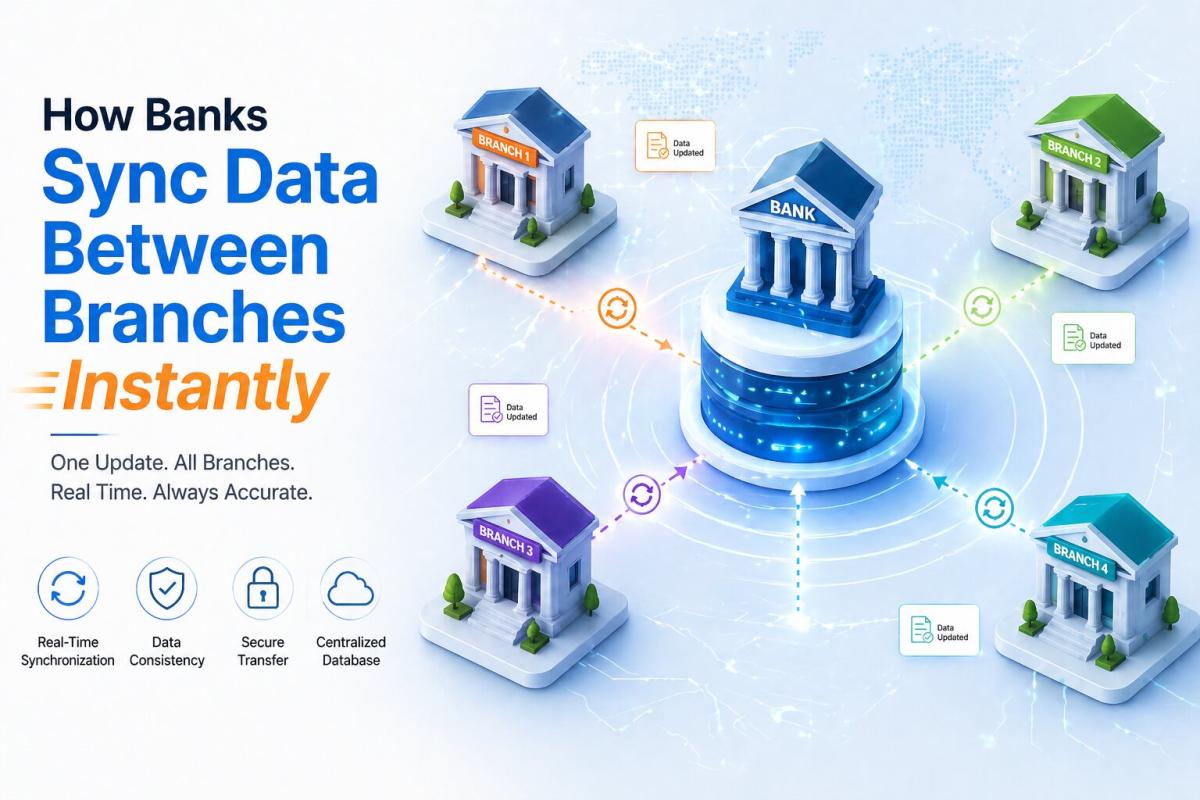
How Banks Sync Data Between Branches Instantly
Learn how banks sync data instantly across branches using core banking systems, real-time processing, high-speed networks, and secure database technologies.
Arjun Sharma
Content Lead – Banking & Payments
Published on Apr 28, 2026
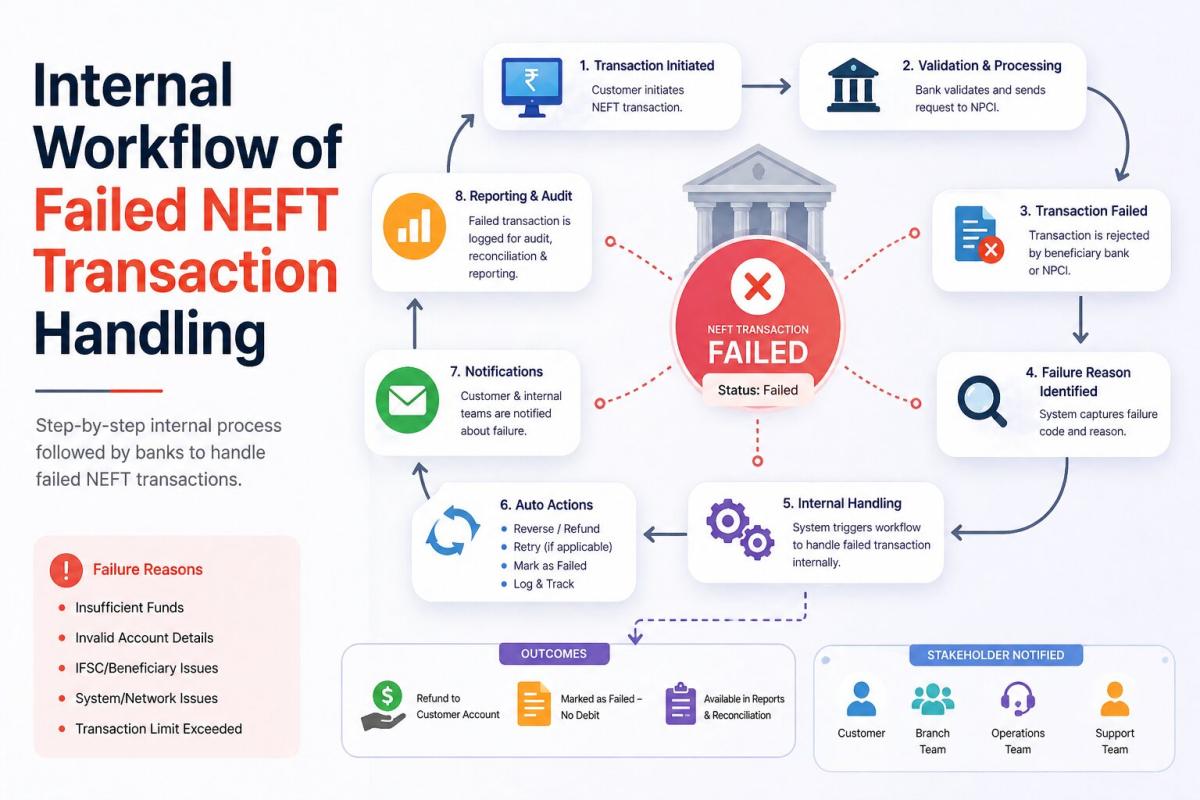
Internal Workflow of Failed NEFT Transaction Handling
Understand the internal workflow of failed NEFT transactions, including validation errors, settlement failures, automated reversals, and reconciliation processes in banking systems.
Arjun Sharma
Content Lead – Banking & Payments
calculate Financial Calculators
EMI Calculator
FD Calculator
GST Calculator
Lumpsum Calculator
Mutual Fund Returns Calculator
PPF Calculator
RD Calculator
SIP Calculator
SWP Calculator
article Latest Blog Posts
ELSS vs PPF vs NPS: Which Tax-Saving Investment Gives the Best Returns?
Compare ELSS vs PPF vs NPS to find the best tax-saving investment. Understand returns, lock-in periods, and features to choose what suits your goals.
SIP & Investing • 11 MINS READ
How to Start SIP with ₹500 Per Month: Beginner's Guide to Mutual Funds
Learn how to start a SIP with ₹500 per month in mutual funds. Simple beginner’s guide to investing, building wealth, and growing money with small steps.
SIP & Investing • 13 MINS READ
Senior Citizen FD Rates 2026: Which Banks Offer the Highest Interest?
Compare senior citizen FD rates in 2026 and find which banks offer the highest interest. Learn about returns, tenures, and tips to choose the best FD.
FD, PPF & Savings • 12 MINS READ
Sukanya Samriddhi Yojana (SSY): Interest Rate, Rules & Calculator Guide 2026
Learn about Sukanya Samriddhi Yojana (SSY) including eligibility criteria, required documentation, step by step application process, tax benefits explanation and comparison b/w SSY, PPF and FD
FD, PPF & Savings • 11 MINS READ
2 reasons why online banking is important in today’s COVID-19 situation
Discover why online banking became essential during COVID-19. Learn how digital banking ensured safety, convenience, and uninterrupted financial services.
Digital Banking • 4 MINS READ