Technical Reasons Behind Delayed IMPS Transactions
Explore the technical reasons behind delayed IMPS transactions, including network latency, server downtime, bank processing delays, API failures, and high transaction volumes.
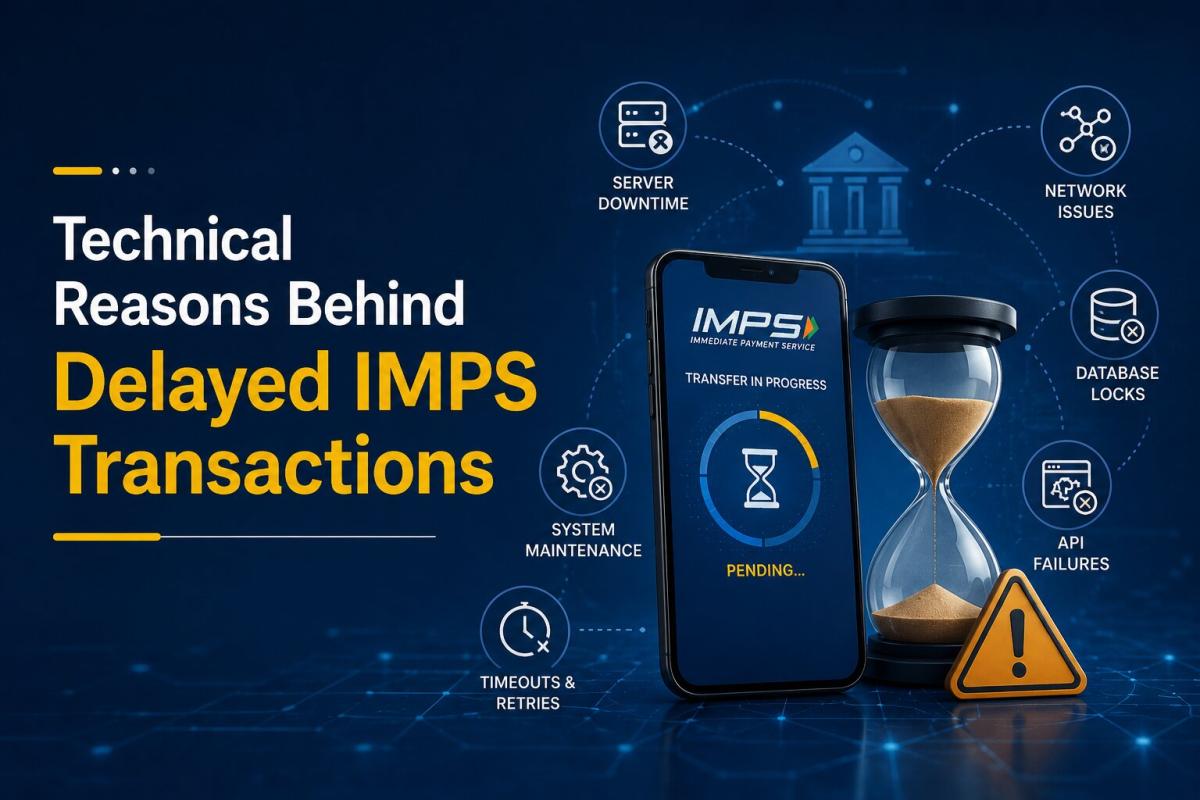
Table of Contents
- Understanding How IMPS Actually Works
- Key Technical Layers Involved in IMPS Transactions
- Server Load and Peak Hour Congestion
- Network Latency and Communication Delays
- Downtime and Maintenance Windows
- Fraud Detection and Security Checks
- Interbank Dependency Issues
- API Failures and Timeout Errors
- Database Synchronization and Ledger Update
- Comparison Table: Causes vs Impact on IMPS Delay
- Real World Observations from Banking Systems
- How Users Can Minimize IMPS Delays
- Frequently Asked Questions
- Conclusion
Understanding How IMPS Actually Works

Immediate Payment Service, widely known as IMPS, is designed as a real time fund transfer system operated by the National Payments Corporation of India. It enables instant money transfer between banks using mobile numbers, account numbers, or IFSC codes. According to official documentation from NPCI and Reserve Bank of India guidelines, IMPS operates 24 by 7 and processes transactions within seconds under normal conditions. However, despite being labeled instant, delays still occur due to multiple technical dependencies within the banking and payment ecosystem, as explained in resources such as NPCI IMPS framework documentation and Reserve Bank of India payment system reports.
At its core, IMPS is not a single system but a chain of interconnected systems. When a user initiates a transfer, the request flows through the sender bank server, NPCI switch, and receiver bank server before confirmation is generated. Each layer has its own validation, security checks, and processing queues. Even a small delay in any of these stages can cause noticeable lag.
Key Technical Layers Involved in IMPS Transactions

To understand delays, it is essential to break down the layers involved:
1. Front End Banking Application
This is where the user initiates the transaction via mobile app or internet banking. Issues like app latency, session timeout, or API delays can slow down request submission.
2. Middleware and Payment Gateway
Banks use middleware systems that validate requests, check fraud parameters, and route transactions. Documentation from organizations like Visa Developer Platform and Mastercard payment architecture shows how middleware can introduce latency during peak load.
3. Core Banking System
The core banking system validates account balance, applies debits, and logs the transaction. Systems from providers such as Finacle or Temenos often batch internal processes, which can cause micro delays.
4. NPCI Switch
NPCI acts as the central routing hub. It verifies and forwards the request to the destination bank. High transaction volume can temporarily increase processing time.
5. Receiving Bank System
The beneficiary bank must accept and credit the amount. If their system is slow or under maintenance, delays occur.
Each of these layers introduces potential delay points, especially when systems are under stress.
Server Load and Peak Hour Congestion

One of the most common reasons behind delayed IMPS transactions is server overload. During peak hours such as salary days, festival seasons, or large sale events, transaction volume increases significantly. Reports from the Reserve Bank of India payment statistics and NPCI transaction data consistently show spikes in digital payments during these periods.
When thousands of transactions hit the system simultaneously, servers queue requests. Even though IMPS is real time, it still follows a queue based processing model under heavy load. This results in slight delays ranging from a few seconds to several minutes.
Banks attempt to mitigate this using load balancing and distributed servers, but sudden spikes can still overwhelm the system temporarily.
Network Latency and Communication Delays

IMPS transactions rely heavily on network communication between multiple servers. Even a few milliseconds of delay at each step can accumulate.
Factors contributing to network latency include:
- Slow internet connectivity between banking servers
- Routing delays across data centers
- Packet loss and retransmission
- DNS resolution delays
Technical explanations from Cloudflare learning resources and AWS networking guides highlight how latency affects real time systems. In IMPS, if the communication between sender bank and NPCI switch slows down, the transaction remains in pending state until confirmation is received.
Downtime and Maintenance Windows

Banks and payment systems require regular maintenance. During these periods, services may run in degraded mode or temporarily pause certain operations.
According to RBI operational guidelines and NPCI circulars, scheduled maintenance is often conducted during low traffic hours, but unscheduled maintenance can happen due to system upgrades or bug fixes.
During such times:
- Transactions may be delayed
- Confirmation messages may take longer
- Some requests may be queued instead of processed instantly
Even if the sender bank processes the debit quickly, the receiving bank might delay the credit due to maintenance.
Fraud Detection and Security Checks

Modern banking systems integrate advanced fraud detection mechanisms. These systems analyze transactions in real time to prevent suspicious activity.
As outlined in cybersecurity frameworks from organizations like IBM Security and Kaspersky financial threat reports, transactions are evaluated based on:
- Transaction amount patterns
- Location mismatch
- Device fingerprinting
- Behavioral anomalies
If a transaction triggers risk flags, additional checks are applied. This can delay processing while the system verifies authenticity. In some cases, transactions may remain pending until manual or automated clearance is completed.
Interbank Dependency Issues

IMPS transactions depend on both sending and receiving banks. Even if one bank operates efficiently, delays in the other bank can affect the overall transaction.
Common interbank issues include:
- Receiver bank server downtime
- Slow database response
- API timeout between systems
- Internal processing backlog
Research from payment infrastructure studies and banking technology reports shows that interbank synchronization is one of the most complex parts of real time payment systems.
API Failures and Timeout Errors

IMPS relies on APIs for communication between systems. If an API fails or times out, the transaction enters an uncertain state.
Typical scenarios include:
- API response delay exceeding threshold
- Temporary server unavailability
- Retry mechanisms causing duplication checks
- Incomplete acknowledgement signals
Technical documentation from REST API standards and payment gateway architecture shows that timeout handling is critical. Banks often retry failed requests, which can delay final confirmation.
Database Synchronization and Ledger Update

Behind every IMPS transaction lies a database update. Both sender and receiver banks must update their ledgers accurately.
Challenges include:
- Database replication delays
- Locking mechanisms during high load
- Consistency checks
- Backup synchronization
If the database takes time to confirm the transaction, the system delays final status updates. This is especially common in large banks handling millions of transactions daily.
Comparison Table: Causes vs Impact on IMPS Delay
Technical Factors Affecting IMPS Speed
|
Technical Factor |
Where It Occurs |
Impact Level |
Typical Delay Range |
|
Server Overload |
Bank and NPCI servers |
High |
Seconds to minutes |
|
Network Latency |
Data transmission layer |
Medium |
Milliseconds to seconds |
|
Maintenance Downtime |
Bank infrastructure |
High |
Minutes to hours |
|
Fraud Detection Checks |
Security systems |
Medium |
Seconds to minutes |
|
API Timeout Errors |
Integration layer |
High |
Seconds to minutes |
|
Database Synchronization |
Backend systems |
Medium |
Seconds |
|
Interbank Dependency |
Between banks |
High |
Seconds to minutes |
Real World Observations from Banking Systems

Industry reports from NPCI and RBI consistently show that transaction delays are not random but pattern based. Peak usage periods, system upgrades, and increased fraud monitoring correlate strongly with delays.
Banks continuously upgrade infrastructure using cloud computing platforms such as AWS and Microsoft Azure to reduce latency. However, the complexity of real time interbank communication still makes occasional delays unavoidable.
How Users Can Minimize IMPS Delays
While most technical issues are backend related, certain practices can reduce the chances of delay:
- Avoid peak transaction hours
- Ensure stable internet connection
- Double check beneficiary details to prevent validation delays
- Use updated banking apps
- Monitor bank maintenance notifications
These steps align with best practices recommended by financial institutions and digital payment guidelines.
Frequently Asked Questions
Why does IMPS sometimes take longer than expected
IMPS depends on multiple systems including banks and NPCI. Delays occur when any system experiences load, latency, or technical issues.
Is IMPS really instant
Under ideal conditions, IMPS is instant. However, technical factors such as server load and network delays can slow it down.
What happens if IMPS is delayed but amount is debited
The transaction remains in processing state. If it fails, the amount is usually reversed automatically as per RBI guidelines.
Are delays more common during certain times
Yes, delays are more frequent during peak hours like salary days, festivals, and high traffic periods.
Can banks control IMPS delays completely
Banks can optimize systems but cannot fully eliminate delays due to interbank dependencies and network factors.
Is IMPS faster than NEFT
IMPS is generally faster because it is real time, while NEFT works in batches, but IMPS can still face delays under heavy load.
Conclusion
IMPS is one of the most advanced real time payment systems, yet it operates within a highly complex ecosystem involving multiple banks, servers, networks, and security layers. Delays are not caused by a single issue but by a combination of technical factors such as server congestion, network latency, API failures, fraud detection checks, and interbank dependencies. Each transaction passes through several checkpoints, and even minor inefficiencies at any stage can slow down the process.
As digital payment adoption continues to grow, banks and financial institutions are investing heavily in infrastructure upgrades, cloud scalability, and intelligent routing systems to reduce delays. However, given the scale and complexity of the system, occasional delays remain a realistic part of real time banking operations.
Understanding these technical reasons provides clarity and helps set realistic expectations. Instead of viewing delays as failures, they can be seen as the result of a system designed with multiple safeguards, validations, and layers of security working together to ensure safe and reliable transactions.
Related Blogs
Published on May 06, 2026
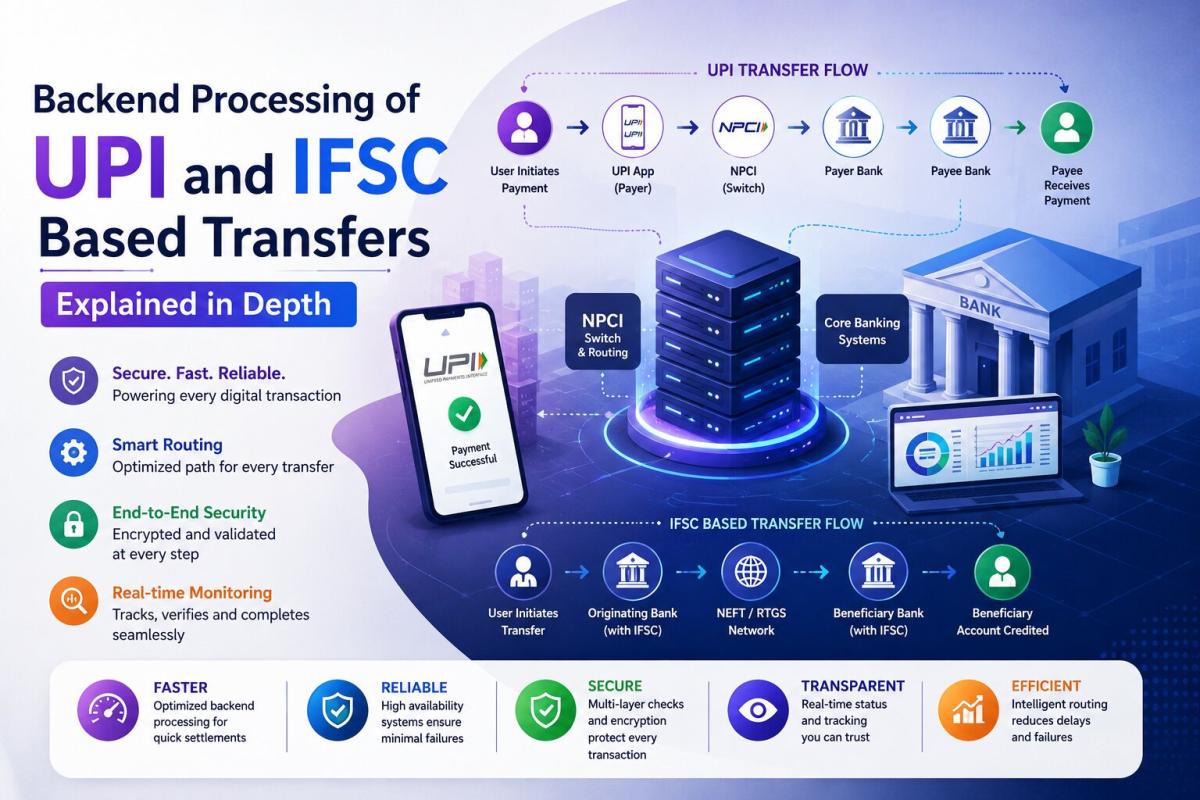
Backend Processing of UPI and IFSC Based Transfers Explained in Depth
Explore the backend processing of UPI and IFSC-based transfers, comparing real-time APIs, batch settlement systems, and how NPCI and RBI power secure digital payments in India.
Arjun Sharma
Content Lead – Banking & Payments
Published on May 06, 2026
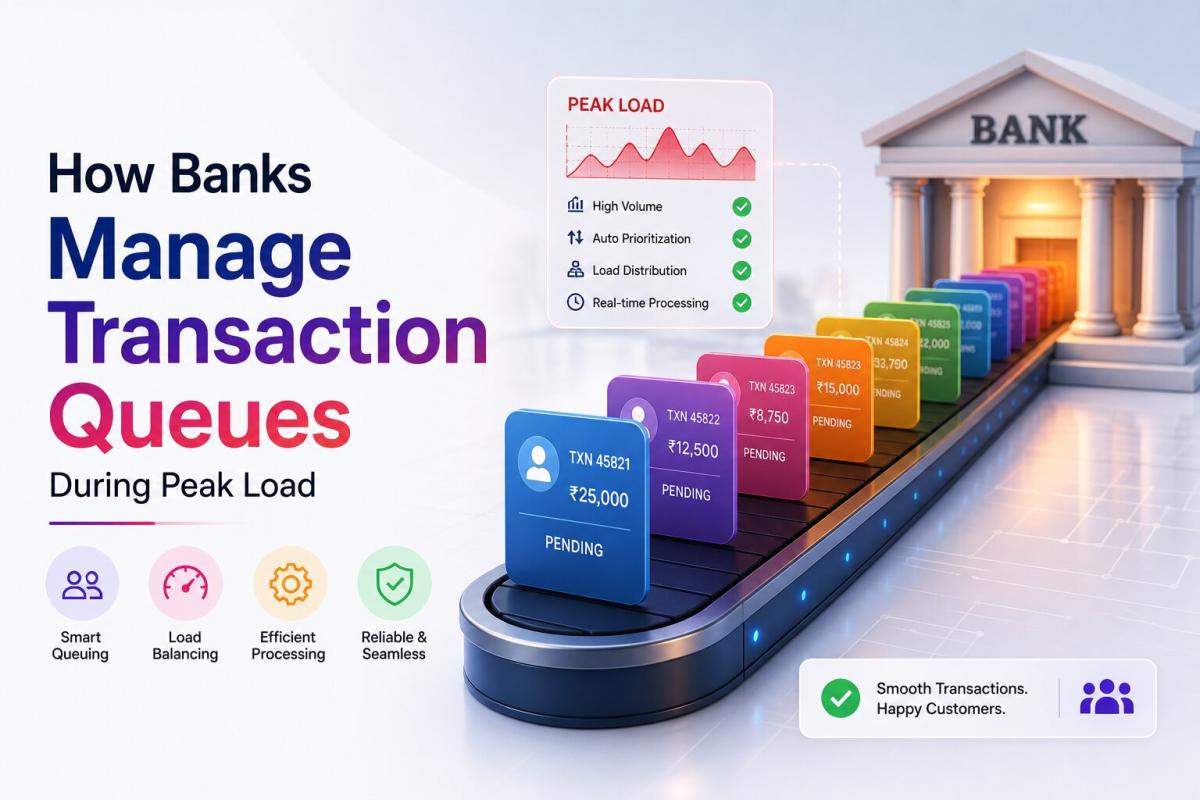
How Banks Manage Transaction Queues During Peak Load
Learn how banks manage transaction queues during peak load using distributed systems, priority queues, load balancing, and real-time processing to ensure fast and reliable payments. Author
Arjun Sharma
Content Lead – Banking & Payments
Published on May 06, 2026
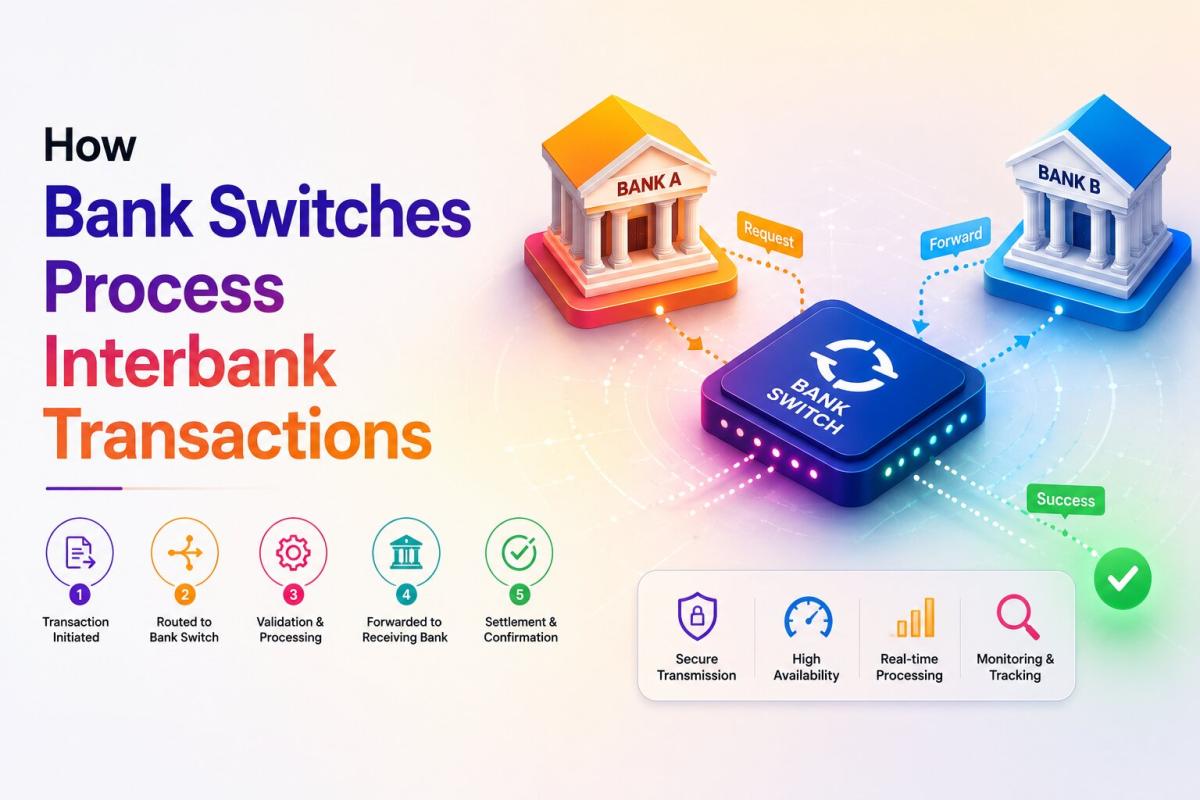
How Bank Switches Process Interbank Transactions
Learn how bank switches process interbank transactions by routing, authorizing, and securing payments between banks in real time using advanced switching systems and payment networks.
Arjun Sharma
Content Lead – Banking & Payments
Published on Apr 28, 2026
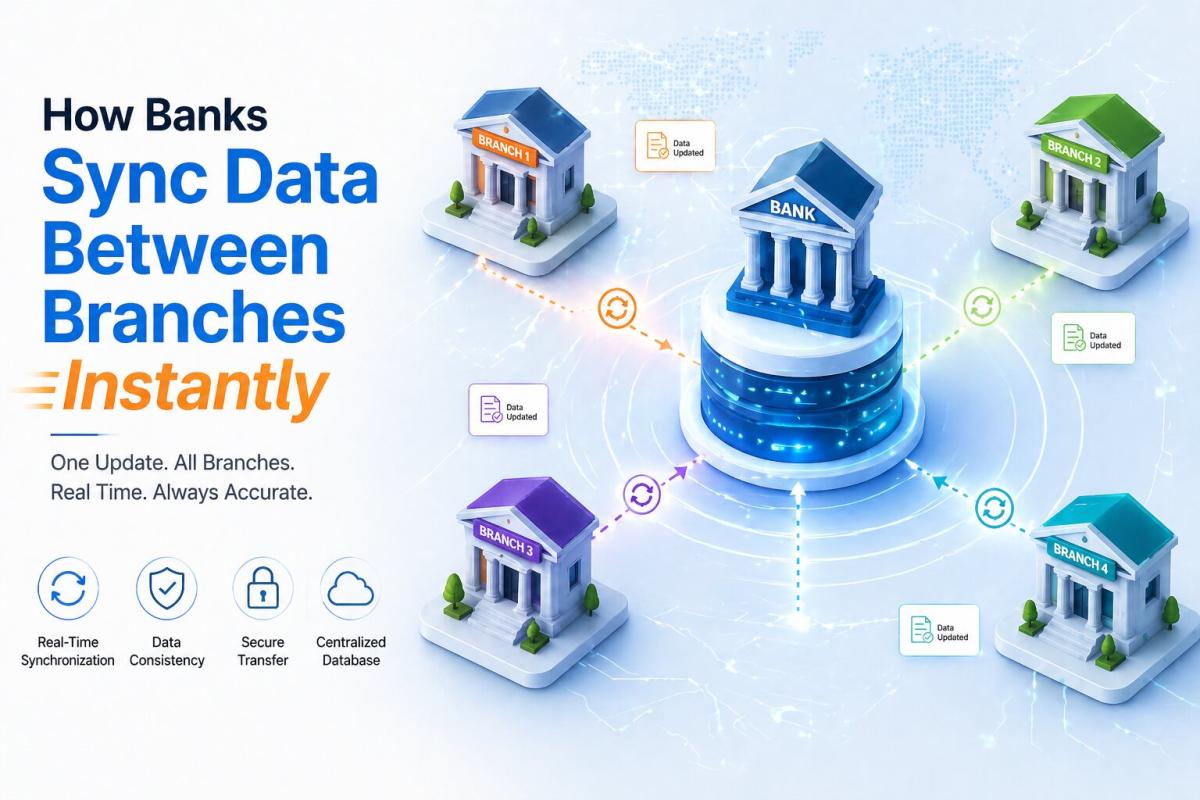
How Banks Sync Data Between Branches Instantly
Learn how banks sync data instantly across branches using core banking systems, real-time processing, high-speed networks, and secure database technologies.
Arjun Sharma
Content Lead – Banking & Payments
Published on Apr 28, 2026
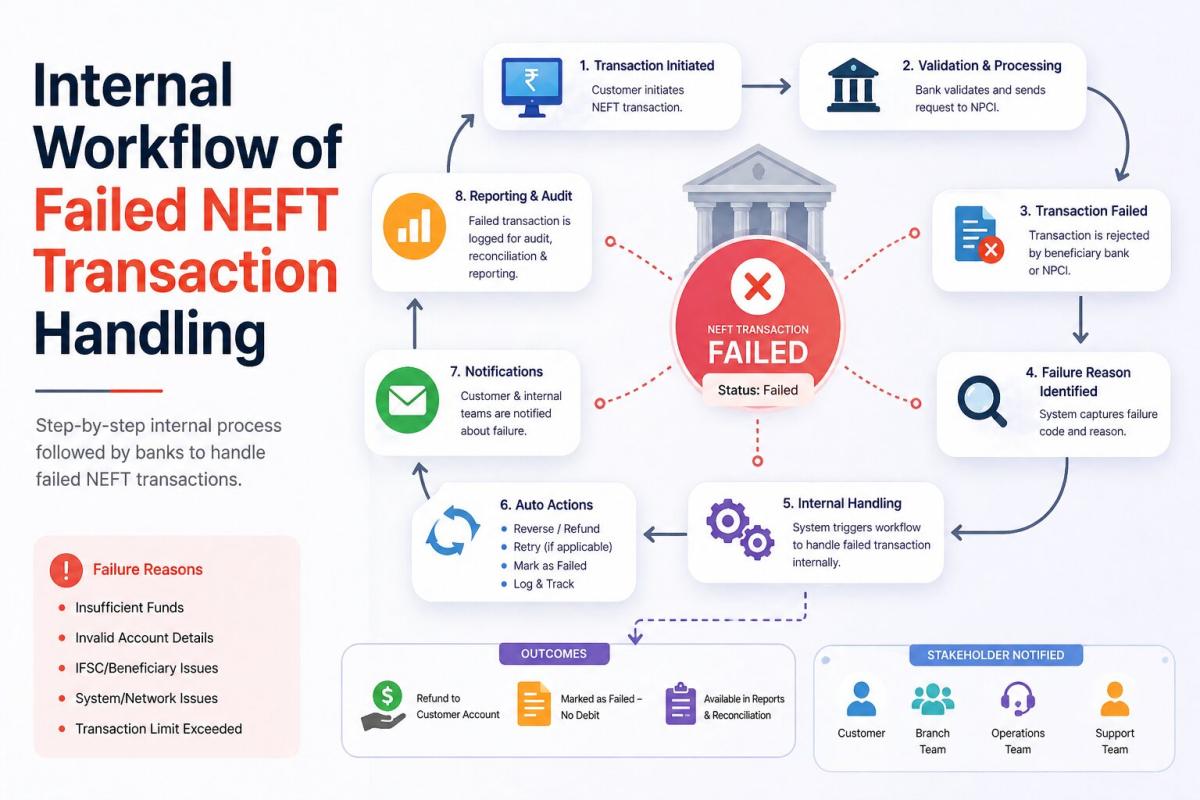
Internal Workflow of Failed NEFT Transaction Handling
Understand the internal workflow of failed NEFT transactions, including validation errors, settlement failures, automated reversals, and reconciliation processes in banking systems.
Arjun Sharma
Content Lead – Banking & Payments
calculate Financial Calculators
EMI Calculator
FD Calculator
GST Calculator
Lumpsum Calculator
Mutual Fund Returns Calculator
PPF Calculator
RD Calculator
SIP Calculator
SWP Calculator
article Latest Blog Posts
ELSS vs PPF vs NPS: Which Tax-Saving Investment Gives the Best Returns?
Compare ELSS vs PPF vs NPS to find the best tax-saving investment. Understand returns, lock-in periods, and features to choose what suits your goals.
SIP & Investing • 11 MINS READ
How to Start SIP with ₹500 Per Month: Beginner's Guide to Mutual Funds
Learn how to start a SIP with ₹500 per month in mutual funds. Simple beginner’s guide to investing, building wealth, and growing money with small steps.
SIP & Investing • 13 MINS READ
Senior Citizen FD Rates 2026: Which Banks Offer the Highest Interest?
Compare senior citizen FD rates in 2026 and find which banks offer the highest interest. Learn about returns, tenures, and tips to choose the best FD.
FD, PPF & Savings • 12 MINS READ
Sukanya Samriddhi Yojana (SSY): Interest Rate, Rules & Calculator Guide 2026
Learn about Sukanya Samriddhi Yojana (SSY) including eligibility criteria, required documentation, step by step application process, tax benefits explanation and comparison b/w SSY, PPF and FD
FD, PPF & Savings • 11 MINS READ
2 reasons why online banking is important in today’s COVID-19 situation
Discover why online banking became essential during COVID-19. Learn how digital banking ensured safety, convenience, and uninterrupted financial services.
Digital Banking • 4 MINS READ