Bank Account Frozen? Why Banks Block Accounts for Suspicious Activity
Learn why banks freeze or block accounts for suspicious activity, including fraud detection, AML compliance, unusual transactions, and account security in 2026.
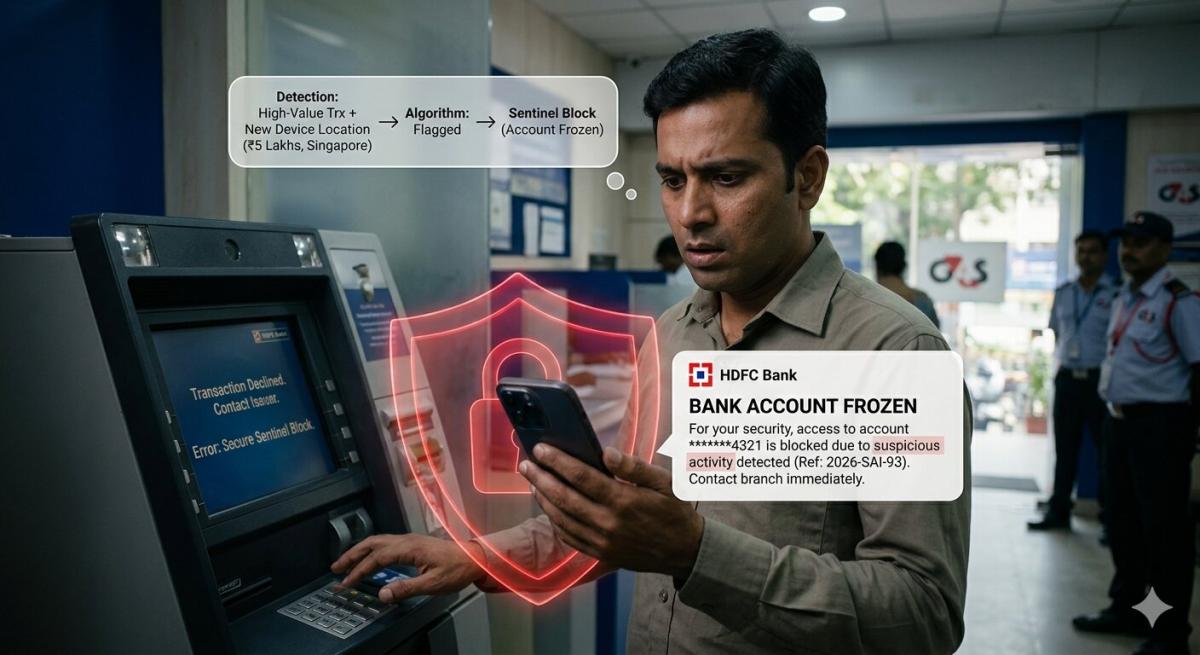
Table of Contents
Imagine this: you’re at the checkout, card in hand, ready to pay, and it’s declined. A pit forms in your stomach. Then, a message: “Account Blocked.” It’s a jarring, frustrating experience, one that many of us have faced or worried about. While it feels intensely personal and inconvenient, understanding why banks block accounts during suspicious activity reveals a complex, multi-layered defense system designed not to punish you, but to protect everyone involved, especially you, the customer. It’s a necessary evil in the fight against financial crime, reflecting a bank’s unwavering commitment to security in an increasingly digital and dangerous world. This isn’t just about rules; it’s about vigilance.
The Regulatory Imperative for Vigilance
At the core of why banks block accounts lies a stringent regulatory framework. Governments worldwide, keenly aware of the global flow of illicit funds, mandate that financial institutions act as gatekeepers. Laws like the Bank Secrecy Act in the U.S. and similar Anti-Money Laundering (AML) directives globally require banks to monitor transactions for signs of illegal activities, such as money laundering and terrorist financing. This isn’t optional; non-compliance can result in astronomical fines and severe reputational damage, making proactive monitoring a fundamental part of banking operations, shaping their policies and technological investments profoundly.
These regulations compel banks to implement robust Know Your Customer (KYC) protocols and continuously scrutinize account behavior. Every transaction, from a small online purchase to a multi-million-dollar wire transfer, passes through a gauntlet of checks. The goal is to identify patterns or anomalies that deviate from a customer’s established financial profile or common legitimate activity. It’s an enormous undertaking, a constant cat-and-mouse game against increasingly sophisticated criminals who exploit every loophole, forcing banks to evolve their detection methods continuously to stay ahead of the curve, ensuring compliance and security.
Protecting Your Hard-Earned Money
While regulatory compliance is a major driver, an equally crucial reason banks block accounts is to protect their customers directly from fraud. Think of it as a digital guardian angel. If your debit card suddenly appears in a country you’ve never visited, or if a series of unusually large, rapid transactions deplete your savings, the bank’s systems are designed to flag these anomalies immediately. Their swift action can prevent thousands, or even tens of thousands, of dollars from being stolen by scammers or identity thieves, saving you the headache and heartache of irreversible financial loss. This proactive stance is invaluable.
The financial world is rife with scams, from phishing attempts to sophisticated account takeover schemes. Banks invest heavily in fraud detection technologies precisely because they understand the devastating impact these incidents can have on individuals. Blocking an account might be inconvenient in the short term, but it’s often the fastest and most effective way to put a stop to unauthorized activity before significant damage occurs. It demonstrates a commitment to safeguarding customer assets, often going above and beyond minimum regulatory requirements to build and maintain trust in a competitive financial landscape.
The Algorithmic Watchdogs at Work
Modern banking security isn’t just about human analysts; it’s heavily reliant on sophisticated artificial intelligence and machine learning algorithms. These “algorithmic watchdogs” tirelessly analyze billions of transactions daily, looking for deviations from normal behavior. They learn your spending habits, typical transaction sizes, and geographic patterns, building a unique profile for each account. When a transaction occurs that falls outside this established pattern – perhaps a purchase from a new merchant in a high-risk category or an unusually large transfer to an unfamiliar recipient – the algorithms flag it for review, often in milliseconds.
These systems are incredibly powerful, capable of identifying subtle correlations and anomalies that would be impossible for humans to detect manually. They don’t just look for obvious fraud; they also help identify potential money laundering schemes by spotting unusual transaction chains or networks of seemingly unrelated accounts. While no system is perfect, the continuous refinement of these AI models, incorporating new data and threat intelligence, means they are becoming increasingly adept at distinguishing legitimate activity from genuine threats, constantly learning and adapting, making banking safer for everyone, especially looking ahead to 2026.
Inside the Fraud Detection Algorithms
Fraud detection algorithms operate on a complex interplay of rules, heuristics, and predictive models. They analyze numerous data points for each transaction: amount, location, time, merchant category, device used, IP address, and historical spending patterns. Machine learning models, trained on vast datasets of both legitimate and fraudulent transactions, develop a “risk score” for every activity. A high score triggers an alert, which can range from a soft block requiring verification to a hard block that fully suspends the account. This layered approach ensures that false positives are minimized while critical threats are prioritized.
Common Triggers for Account Suspension
Several scenarios frequently trigger a bank’s suspicious activity protocols, leading to an account block. These can include a sudden influx of large, unexplained deposits, especially from unusual sources or in quick succession. Transactions originating from geographically distant or high-risk locations, particularly if they deviate from your normal travel patterns, are also major red flags. Furthermore, repeated attempts to log in with incorrect credentials, multiple failed transactions, or rapid, unusually large international transfers can signal a potential account takeover attempt or involvement in illicit activities, prompting immediate action from the bank’s security teams.
Another common trigger involves transactions linked to known fraudulent schemes or entities on watchlists maintained by organizations like the Financial Crimes Enforcement Network (FinCEN). If your account interacts with a merchant or individual flagged for illegal activities, even unknowingly, your bank is obligated to investigate. Similarly, structured transactions – multiple small deposits or withdrawals designed to circumvent reporting thresholds – are a classic sign of money laundering that automated systems are programmed to detect. Understanding these triggers can help customers avoid inadvertently raising red flags. You can learn more about these efforts from official sources like FinCEN’s website.
What Happens After an Account Block?
When a bank blocks an account due to suspicious activity, the immediate goal is to halt any potential ongoing fraud or illicit transactions. What follows is typically a thorough internal investigation. The bank’s fraud department or compliance team will review the flagged transactions, your account history, and any other relevant information to determine if the activity is indeed suspicious or if it was a false positive. This process can take anywhere from a few hours to several days, depending on the complexity of the situation and the volume of alerts the bank is managing at that time.
During this period, the bank will usually attempt to contact you to verify the transactions in question. It’s crucial to cooperate fully and provide any requested documentation or explanations promptly. If the activity is confirmed legitimate, the block will be lifted, and your account will be fully restored. However, if fraud is confirmed or if the bank cannot verify the legitimacy of the activity, they may keep the account blocked and potentially report the activity to relevant law enforcement agencies. This process, while inconvenient, is essential for maintaining the integrity of the financial system and protecting customers from significant losses, a priority for banking in 2026.
Key Takeaways
- Banks block accounts primarily to comply with strict anti-money laundering (AML) and counter-terrorist financing (CTF) regulations, preventing illicit funds from moving through the financial system.
- Account blocks are a critical defense mechanism against fraud and identity theft, safeguarding customer funds and preventing financial losses from scams or unauthorized transactions.
- Sophisticated AI and machine learning algorithms are the primary tools banks use to detect suspicious patterns, learning individual spending habits to flag deviations quickly and efficiently.
- Understanding common triggers like unusual transaction locations, large unverified deposits, or rapid international transfers can help customers avoid accidental account flags and facilitate quicker resolution if a block occurs.
Frequently Asked Questions
How long does it take for a bank to unblock an account?
The time it takes to unblock an account varies significantly. Simple cases, where you can immediately verify legitimate transactions, might be resolved within a few hours. More complex situations involving extensive investigations or regulatory reporting could take several days or even weeks. Prompt communication and providing requested information greatly speed up the process.
Can I access my funds while my account is blocked?
Typically, no. When an account is blocked for suspicious activity, all transactions are halted. This means you usually cannot access your funds, make purchases, or conduct transfers until the block is lifted. This temporary suspension is a necessary measure to prevent further potentially fraudulent activity.
What should I do if my bank blocks my account?
The first step is to contact your bank immediately using the official customer service number on their website or the back of your card. Do not respond to unsolicited calls or emails asking for personal information. Be prepared to explain your recent transactions and provide any documentation they may request to verify your identity and the legitimacy of the activity.
Will a blocked account affect my credit score?
Generally, a temporary account block due to suspicious activity does not directly impact your credit score. Your credit score is primarily affected by your borrowing and repayment history. However, if the block leads to missed payments on linked bills or loans because you couldn’t access funds, those missed payments could indirectly affect your credit.
Conclusion
While an account block is undoubtedly frustrating and inconvenient, it’s a testament to the banking industry’s relentless efforts to protect its customers and maintain the integrity of the global financial system. Banks are caught between the urgent need to prevent crime and the desire to provide seamless service. By understanding why banks block accounts during suspicious activity, we can appreciate the vital role these measures play in our financial security. It’s a complex balancing act, but one that ultimately works to our benefit, safeguarding our money in an ever-evolving digital landscape.
Related Blogs
Published on May 06, 2026
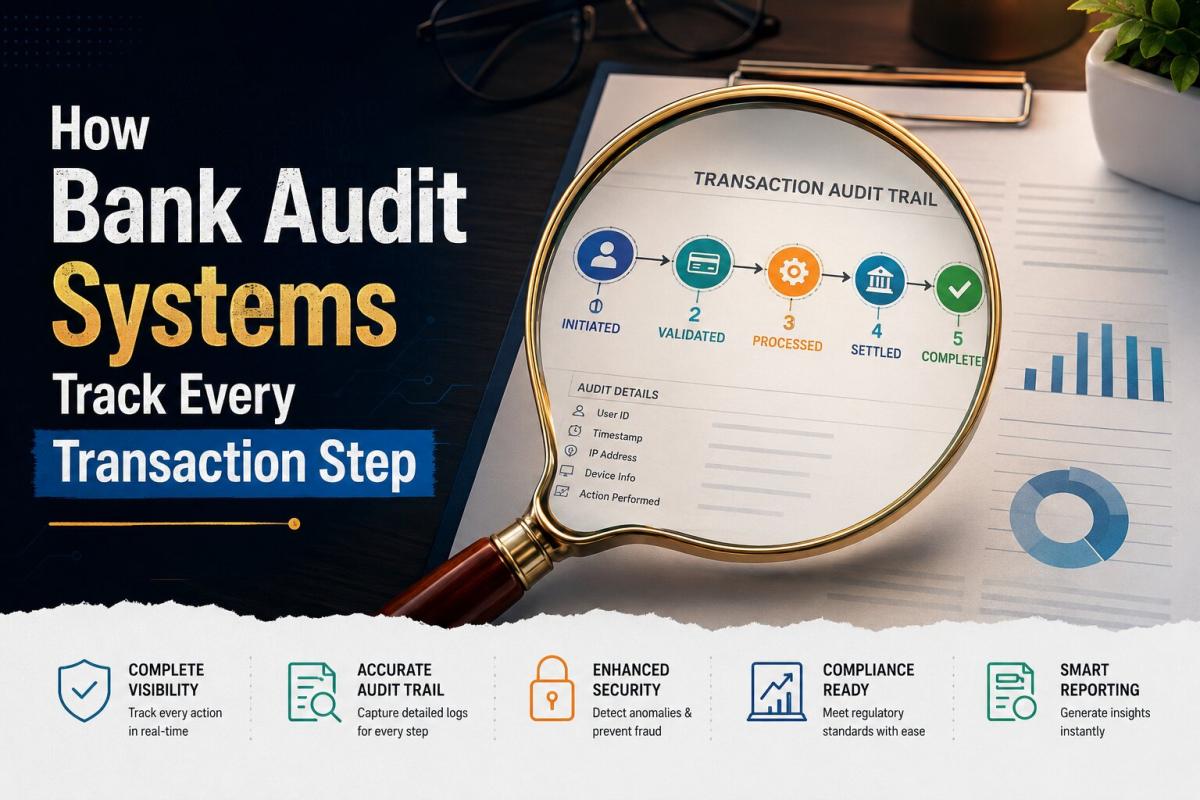
How Bank Audit Systems Track Every Transaction Step
Discover how bank audit systems track every transaction step using audit trails, real-time logging, and AI monitoring to ensure transparency, fraud detection, and regulatory compliance.
Priya Nair
Senior Compliance Editor at IFSC.co
Published on May 06, 2026
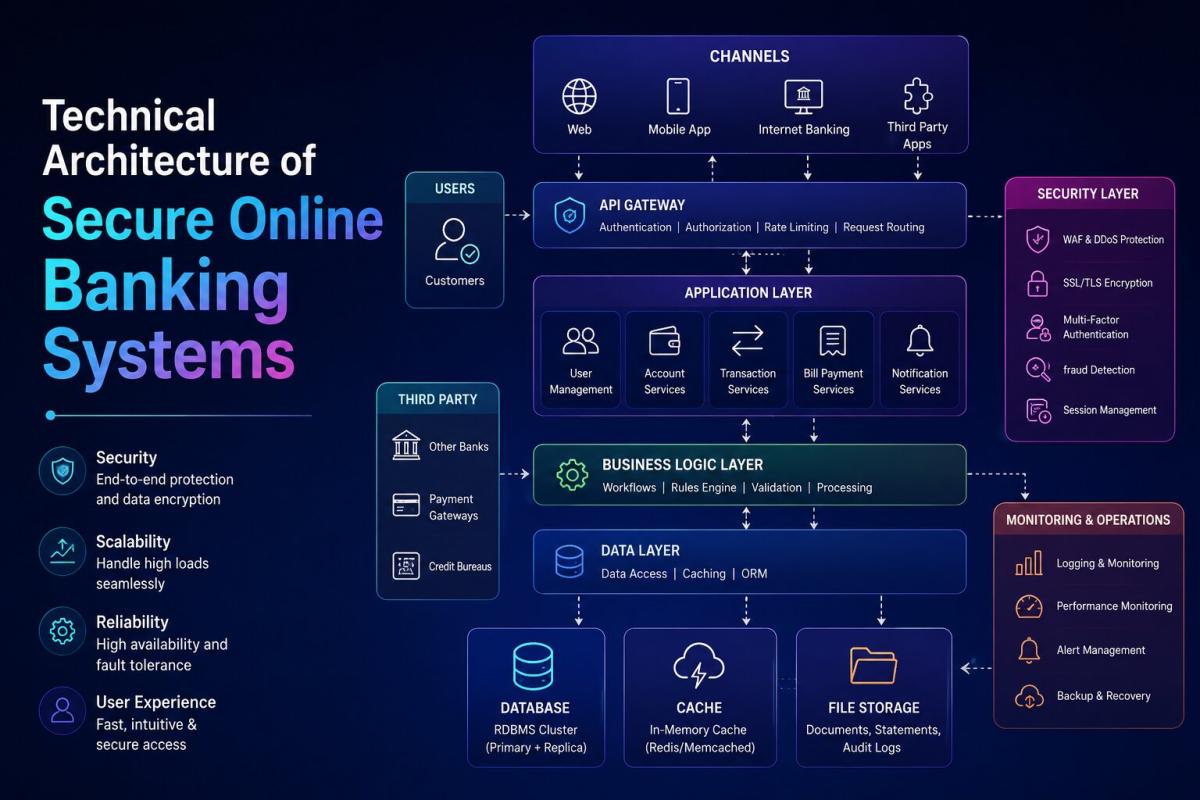
Technical Architecture of Secure Online Banking Systems
Explore the technical architecture of secure online banking systems, including layered security, encryption, authentication, APIs, and fraud detection that protect digital transactions.
Priya Nair
Senior Compliance Editor at IFSC.co
Published on Apr 28, 2026
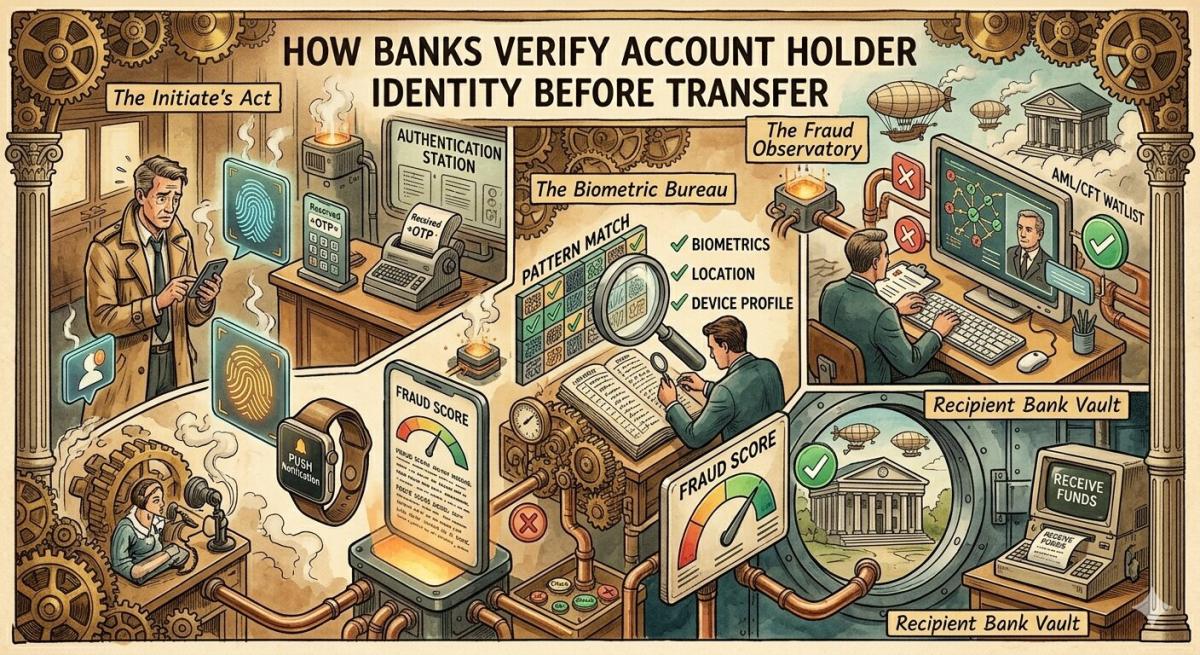
How Banks Verify Account Holder Identity Before Transfer
Learn how banks verify account holder identity before transfers using KYC, OTP, biometrics, and real-time fraud detection to ensure secure and compliant digital transactions.
Priya Nair
Senior Compliance Editor at IFSC.co
Published on Apr 28, 2026
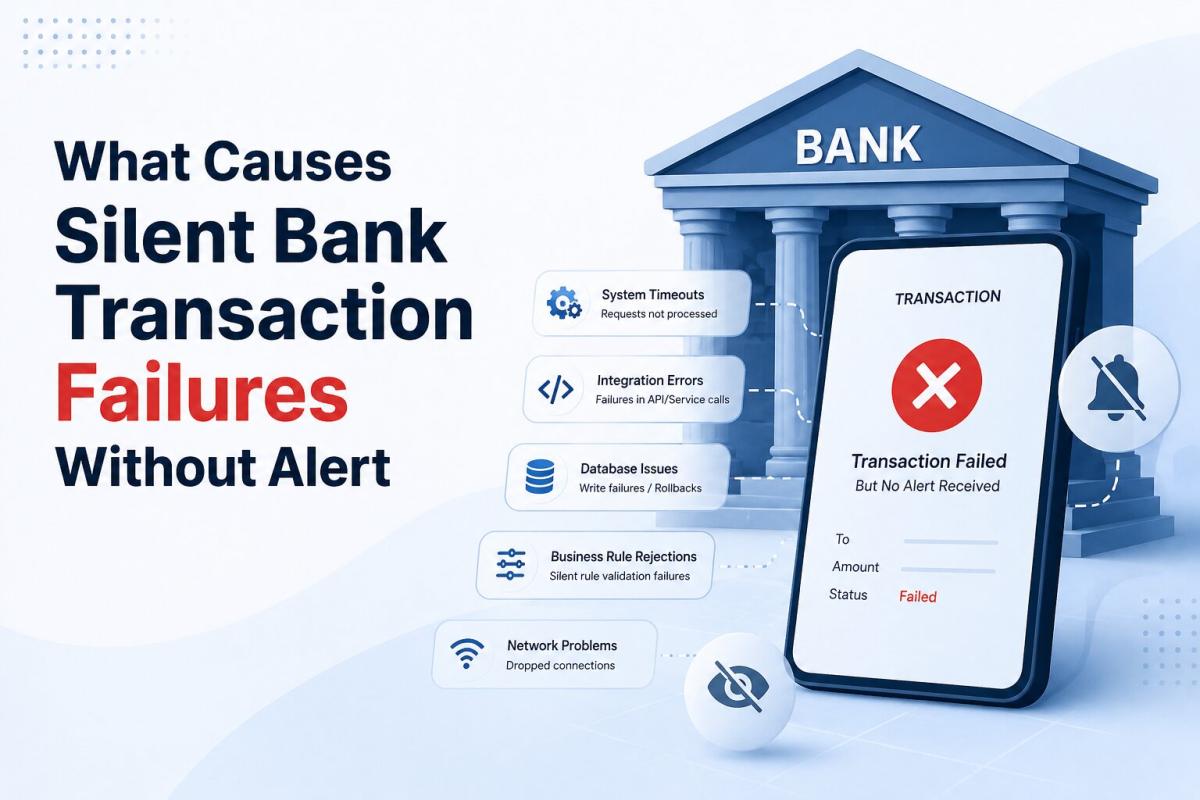
What Causes Silent Bank Transaction Failures Without Alert
Discover the key causes of silent bank transaction failures, including network timeouts, API issues, system delays, and how banks resolve these hidden payment errors.
Priya Nair
Senior Compliance Editor at IFSC.co
Published on Apr 28, 2026
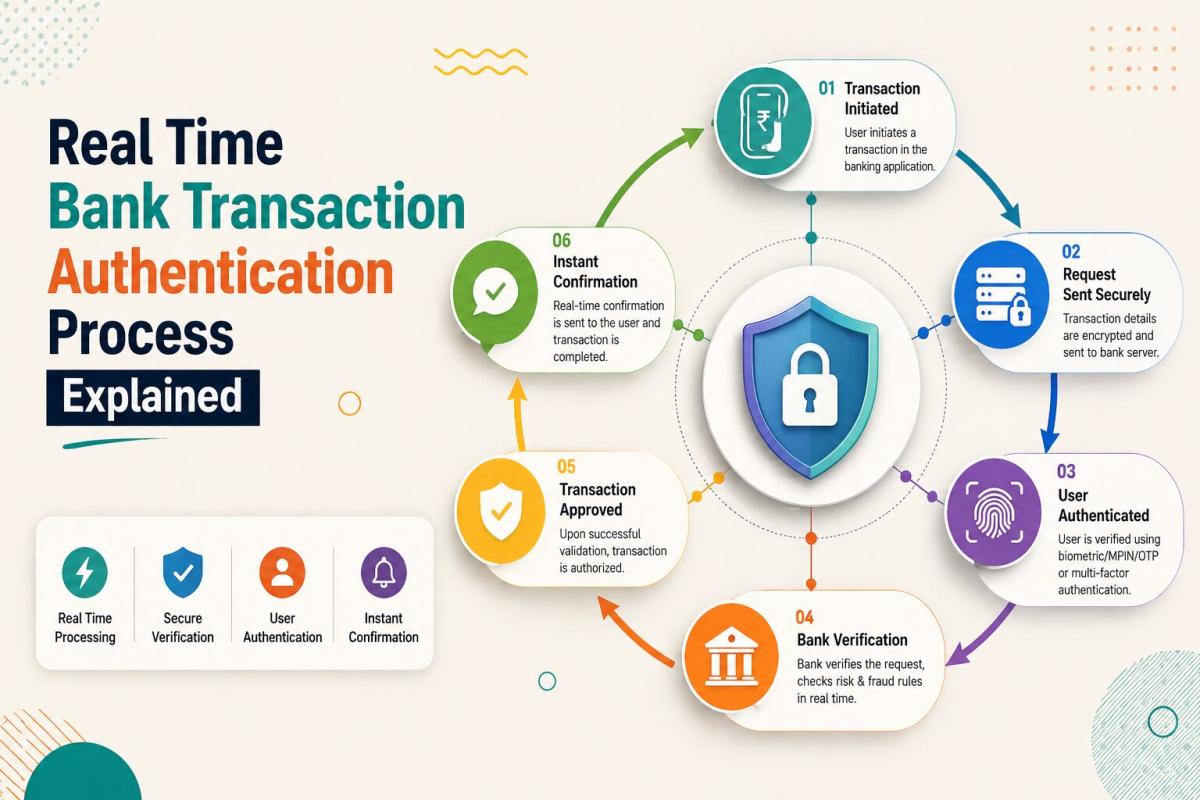
Real Time Bank Transaction Authentication Process Explained
Understand how real-time bank transaction authentication works using OTP, biometrics, encryption, and AI-driven fraud detection to secure digital payments instantly.
Priya Nair
Senior Compliance Editor at IFSC.co
calculate Financial Calculators
EMI Calculator
FD Calculator
GST Calculator
Lumpsum Calculator
Mutual Fund Returns Calculator
PPF Calculator
RD Calculator
SIP Calculator
SWP Calculator
article Latest Blog Posts
ELSS vs PPF vs NPS: Which Tax-Saving Investment Gives the Best Returns?
Compare ELSS vs PPF vs NPS to find the best tax-saving investment. Understand returns, lock-in periods, and features to choose what suits your goals.
SIP & Investing • 11 MINS READ
How to Start SIP with ₹500 Per Month: Beginner's Guide to Mutual Funds
Learn how to start a SIP with ₹500 per month in mutual funds. Simple beginner’s guide to investing, building wealth, and growing money with small steps.
SIP & Investing • 13 MINS READ
Senior Citizen FD Rates 2026: Which Banks Offer the Highest Interest?
Compare senior citizen FD rates in 2026 and find which banks offer the highest interest. Learn about returns, tenures, and tips to choose the best FD.
FD, PPF & Savings • 12 MINS READ
Sukanya Samriddhi Yojana (SSY): Interest Rate, Rules & Calculator Guide 2026
Learn about Sukanya Samriddhi Yojana (SSY) including eligibility criteria, required documentation, step by step application process, tax benefits explanation and comparison b/w SSY, PPF and FD
FD, PPF & Savings • 11 MINS READ
2 reasons why online banking is important in today’s COVID-19 situation
Discover why online banking became essential during COVID-19. Learn how digital banking ensured safety, convenience, and uninterrupted financial services.
Digital Banking • 4 MINS READ