Risk Assessment Before Processing Large Transactions: Prevent Fraud & Secure Funds
Learn why risk assessment before processing large transactions is essential in 2026, including KYC, AML, source of funds checks, AI monitoring, and fraud prevention strategies.

Table of Contents
I still remember the chill that ran down my spine a few years back when a seemingly routine, yet substantial, payment for a client’s acquisition deal nearly went sideways. A last-minute check revealed a subtle discrepancy in the beneficiary’s banking details, a tiny error that, if missed, would have sent millions into the wrong hands – likely unrecoverable. It was a stark, personal reminder of why a meticulous Risk Assessment Before Processing Large Transactions isn’t just good practice; it’s absolutely non-negotiable. This isn’t theoretical finance; it’s about protecting livelihoods, reputations, and the very integrity of our financial ecosystem from the ever-present threats of fraud and error.
The Undeniable Stakes of Large Transactions
Processing significant sums of money inherently amplifies the potential for both reward and catastrophic loss. Unlike smaller, everyday payments, large transactions often represent critical business operations, investments, or strategic partnerships. A single misstep can lead to severe financial penalties, operational disruptions, and an immediate erosion of trust. The ripple effects extend beyond the immediate parties, impacting shareholders, employees, and even market confidence. It’s not merely about moving funds; it’s about safeguarding the very foundation of financial stability and integrity in a world where digital threats are constantly evolving.
The consequences of inadequate risk assessment aren’t just financial; they encompass a wide spectrum of reputational and legal repercussions. Imagine the public relations nightmare and the subsequent client exodus following a major fraud incident. Regulatory bodies are increasingly stringent, imposing hefty fines and even criminal charges for compliance failures. In 2026, regulators are expected to further tighten controls, making proactive risk assessment more critical than ever. The cost of prevention, while seemingly burdensome, pales in comparison to the immense cost of recovery and remediation after a breach occurs. It’s a fundamental investment in long-term operational resilience.
Core Pillars of Due Diligence
At the heart of any robust risk assessment lies comprehensive due diligence, which typically involves three critical components: Know Your Customer (KYC), Anti-Money Laundering (AML) checks, and rigorous verification of the source of funds. KYC establishes the identity of all parties involved, ensuring they are legitimate entities and not shell corporations or individuals engaged in illicit activities. This includes verifying official documents, cross-referencing databases, and understanding the beneficial ownership structure. Without a clear picture of who you’re dealing with, you’re essentially transacting in the dark, a perilous position for any financial institution or business.
Beyond identification, AML procedures are designed to detect and prevent the flow of illegally obtained money through the financial system. This involves screening against sanction lists, politically exposed persons (PEPs), and adverse media. Verifying the legitimacy of the transaction and all involved parties prevents your organization from inadvertently becoming an accomplice in financial crime. It requires a deep dive into the transaction’s purpose, the business relationship, and the expected activity. A strong due diligence framework, therefore, acts as the primary line of defense against both direct financial loss and regulatory penalties.
The Nuance of Source of Funds Verification
Perhaps the most challenging aspect of due diligence is verifying the source of funds. It’s not enough to simply know who the money is coming from; you must understand how they acquired it. This often involves requesting supporting documentation such as bank statements, tax returns, or audited financial reports, depending on the transaction’s size and nature. The goal is to ensure the funds originate from legitimate economic activity and are not proceeds of crime, corruption, or other illicit ventures. This step demands a blend of analytical rigor and a willingness to ask probing questions, sometimes requiring collaboration with external auditors or legal counsel to ensure complete transparency and compliance. For more insights into this, resources from organizations like the Financial Action Task Force (FATF) are invaluable.
Leveraging Technology and Data Analytics
In today’s fast-paced digital landscape, manual risk assessment methods are simply insufficient for large transactions. Modern organizations must embrace advanced technology and data analytics to effectively identify and mitigate risks. Artificial intelligence (AI) and machine learning algorithms are revolutionizing transaction monitoring, capable of processing vast amounts of data in real-time to detect anomalous patterns that human analysts might miss. These systems can learn from historical data, adapting to new fraud tactics and evolving risk profiles, offering a dynamic defense against sophisticated threats. This proactive approach allows for intervention before a problematic transaction is fully processed.
Predictive analytics takes this a step further, using statistical models to forecast potential risks based on historical trends and current data points. This allows institutions to anticipate threats rather than merely react to them. Real-time monitoring, coupled with sophisticated anomaly detection, means that any deviation from established norms – be it an unusual beneficiary, an unexpected transaction amount, or a peculiar geographic origin – triggers immediate alerts for review. This technological integration not only enhances security but also streamlines the compliance process, making it more efficient and less prone to human error, which is crucial for handling the increasing volume of transactions expected by 2026.
Navigating Regulatory Complexities
The global financial landscape is a patchwork of complex and often overlapping regulatory frameworks designed to combat financial crime. From the Bank Secrecy Act (BSA) in the United States to the EU’s Anti-Money Laundering Directives, organizations must meticulously navigate these rules, which vary significantly by jurisdiction. A large international transaction might be subject to multiple regulatory regimes, demanding a deep understanding of each and a robust system for ensuring compliance across the board. Ignorance of the law is no defense, and regulators are increasingly coordinating their efforts to crack down on cross-border financial misconduct.
The cost of non-compliance extends far beyond monetary fines. It can lead to severe reputational damage, operational restrictions, and even the loss of licenses to operate in certain markets. Staying abreast of evolving regulations is a continuous challenge, requiring dedicated resources and ongoing training. The regulatory environment for Risk Assessment Before Processing Large Transactions is dynamic, with new directives emerging regularly. Organizations must not only comply with current laws but also anticipate future changes, adapting their risk assessment frameworks to remain resilient and avoid costly missteps, particularly with the intensified focus expected in 2026. Consult official government financial regulatory bodies for specific compliance details in your region.
Building a Robust Internal Framework
Effective risk assessment isn’t just about external checks; it’s deeply rooted in an organization’s internal culture and operational framework. This begins with clearly defined policies and procedures that outline every step of the large transaction process, from initiation to final settlement. These procedures must be regularly reviewed and updated to reflect new regulatory requirements, technological advancements, and emerging threat vectors. Consistency in application is paramount, ensuring that every transaction, regardless of its size or nature, undergoes the same rigorous scrutiny. A well-documented process provides clarity, reduces ambiguity, and serves as a vital reference point for all staff members.
Crucially, a culture of compliance must permeate every level of the organization. This involves comprehensive and ongoing training for all employees involved in transaction processing, ensuring they understand the risks, their roles in mitigation, and the importance of vigilance. Empowering staff to identify and escalate suspicious activity without fear of reprisal is essential. Regular internal audits and independent reviews further strengthen the framework, identifying weaknesses and driving continuous improvement. It’s an ongoing commitment, not a one-time fix, fostering an environment where risk awareness is second nature and proactive protection is the norm. The Financial Crimes Enforcement Network (FinCEN) offers guidance that can help establish such a framework: FinCEN BSA Guidance.
Key Takeaways
- Comprehensive Due Diligence is Paramount: Always conduct thorough KYC, AML, and source of funds verification for all parties involved in large transactions to prevent fraud and ensure legitimacy.
- Leverage Advanced Technology: Implement AI, machine learning, and predictive analytics for real-time transaction monitoring and anomaly detection, significantly enhancing your risk mitigation capabilities.
- Stay Ahead of Regulatory Changes: Proactively monitor and adapt to evolving global and local compliance frameworks to avoid severe penalties and maintain operational integrity, especially in a dynamic environment like 2026.
- Cultivate a Strong Compliance Culture: Establish clear internal policies, provide continuous employee training, and foster an environment where risk awareness and vigilance are integral to daily operations.
Frequently Asked Questions
What constitutes a “large transaction” for risk assessment purposes?
The definition of a “large transaction” can vary significantly by industry, jurisdiction, and the specific risk appetite of an organization. Generally, it refers to any transaction exceeding a predefined monetary threshold, often set by regulatory bodies (e.g., $10,000 for certain reporting requirements in the US) or internal policies. It also includes transactions that are unusual in nature or frequency for a particular client, regardless of their absolute value, warranting heightened scrutiny.
How often should risk assessment procedures be updated?
Risk assessment procedures should be reviewed and updated regularly, ideally at least annually, or whenever significant changes occur. This includes changes in regulatory requirements, the emergence of new technologies, shifts in market conditions, or the identification of new fraud typologies. Continuous monitoring and adaptation are crucial to maintain an effective defense against evolving threats and ensure ongoing compliance.
Can small businesses effectively implement robust risk assessments?
Absolutely. While large corporations might have dedicated compliance teams, small businesses can still implement robust risk assessments by focusing on core principles. This involves understanding their specific risks, utilizing available tools (even basic ones), training key personnel, and potentially leveraging third-party compliance services or software. Scalable solutions exist, making sophisticated risk management accessible to businesses of all sizes.
What role does employee training play in mitigating large transaction risks?
Employee training is a cornerstone of effective risk mitigation. Well-trained employees are the first line of defense, capable of identifying red flags, understanding compliance obligations, and correctly following established procedures. Regular training ensures that staff are aware of the latest fraud schemes, regulatory changes, and internal protocols, empowering them to make informed decisions and escalate suspicious activities promptly, significantly reducing the likelihood of errors or malicious acts.
Conclusion
The journey of safeguarding large transactions is an intricate dance between vigilance, technological prowess, and unwavering adherence to ethical and regulatory standards. It’s a continuous commitment, not a destination. By embedding a robust framework for Risk Assessment Before Processing Large Transactions, organizations not only protect their assets but also fortify their reputation and contribute to the broader integrity of the financial system. In an increasingly complex and interconnected world, proactive risk management isn’t just a best practice; it’s the bedrock of sustainable success and trust in the digital age.
Related Blogs
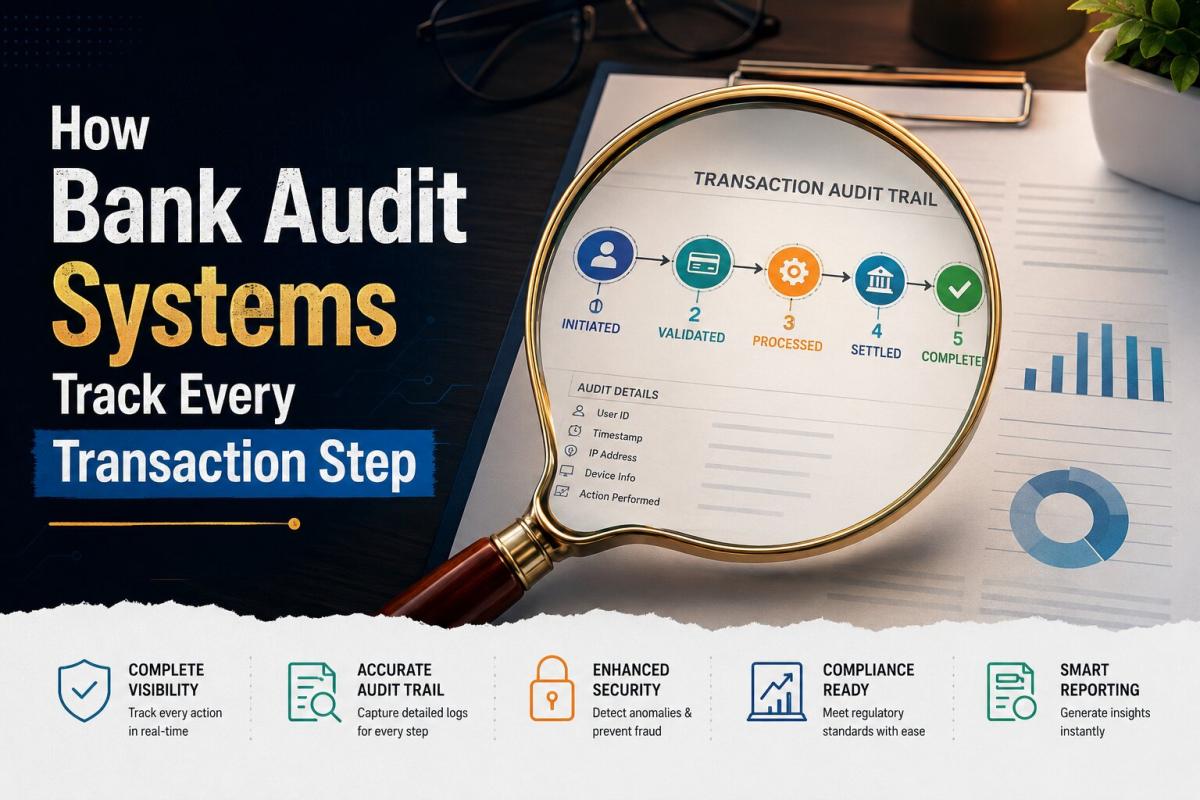
Published on May 06, 2026
How Bank Audit Systems Track Every Transaction Step
Discover how bank audit systems track every transaction step using audit trails, real-time logging, and AI monitoring to ensure transparency, fraud detection, and regulatory compliance.
Priya Nair
Senior Compliance Editor at IFSC.co
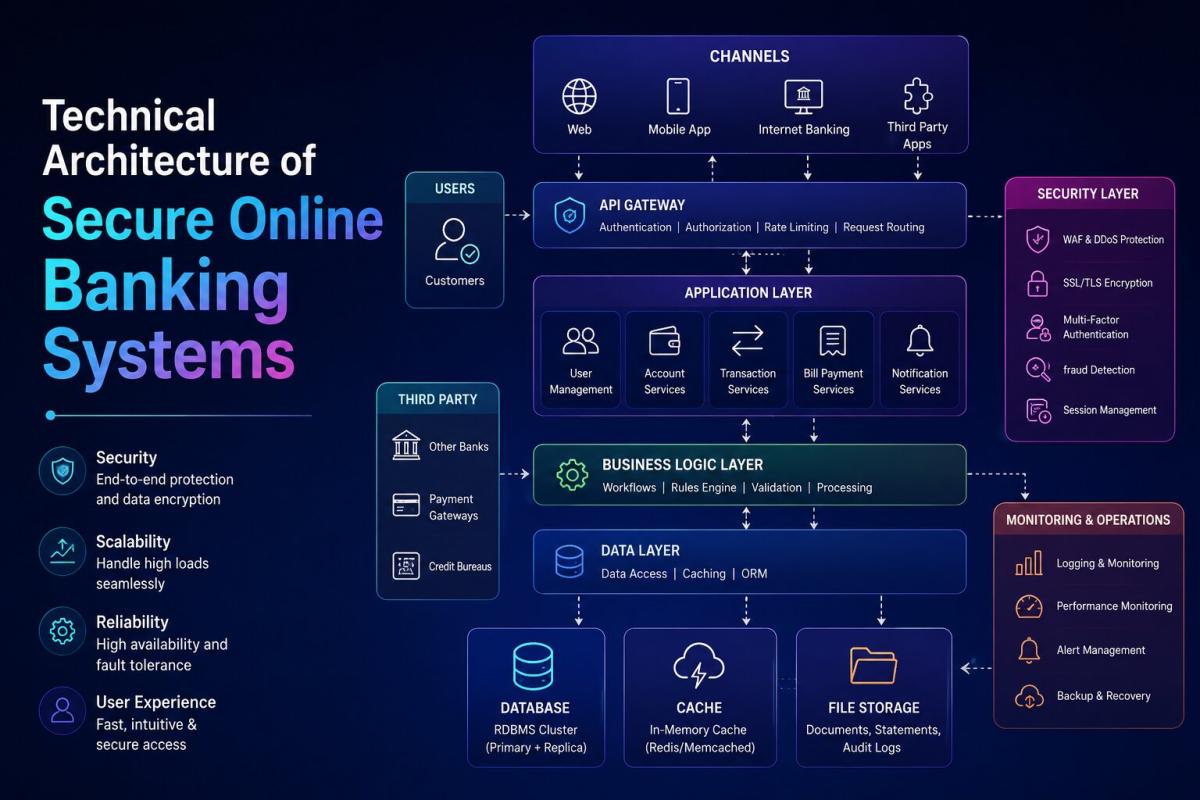
Published on May 06, 2026
Technical Architecture of Secure Online Banking Systems
Explore the technical architecture of secure online banking systems, including layered security, encryption, authentication, APIs, and fraud detection that protect digital transactions.
Priya Nair
Senior Compliance Editor at IFSC.co
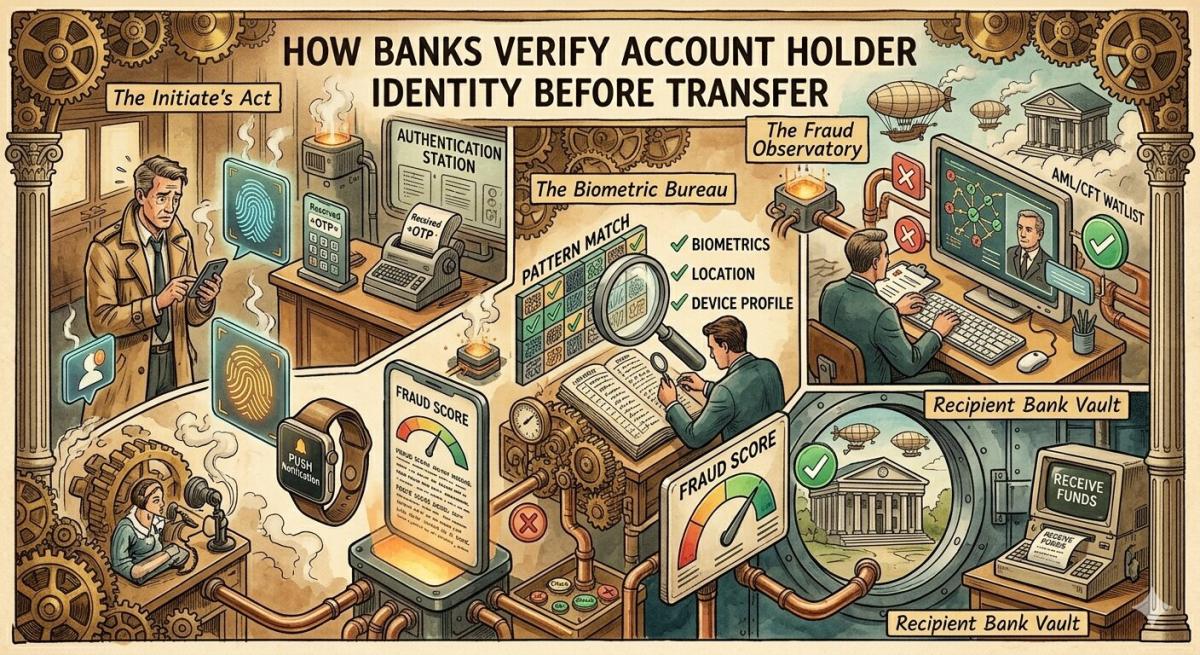
Published on Apr 28, 2026
How Banks Verify Account Holder Identity Before Transfer
Learn how banks verify account holder identity before transfers using KYC, OTP, biometrics, and real-time fraud detection to ensure secure and compliant digital transactions.
Priya Nair
Senior Compliance Editor at IFSC.co
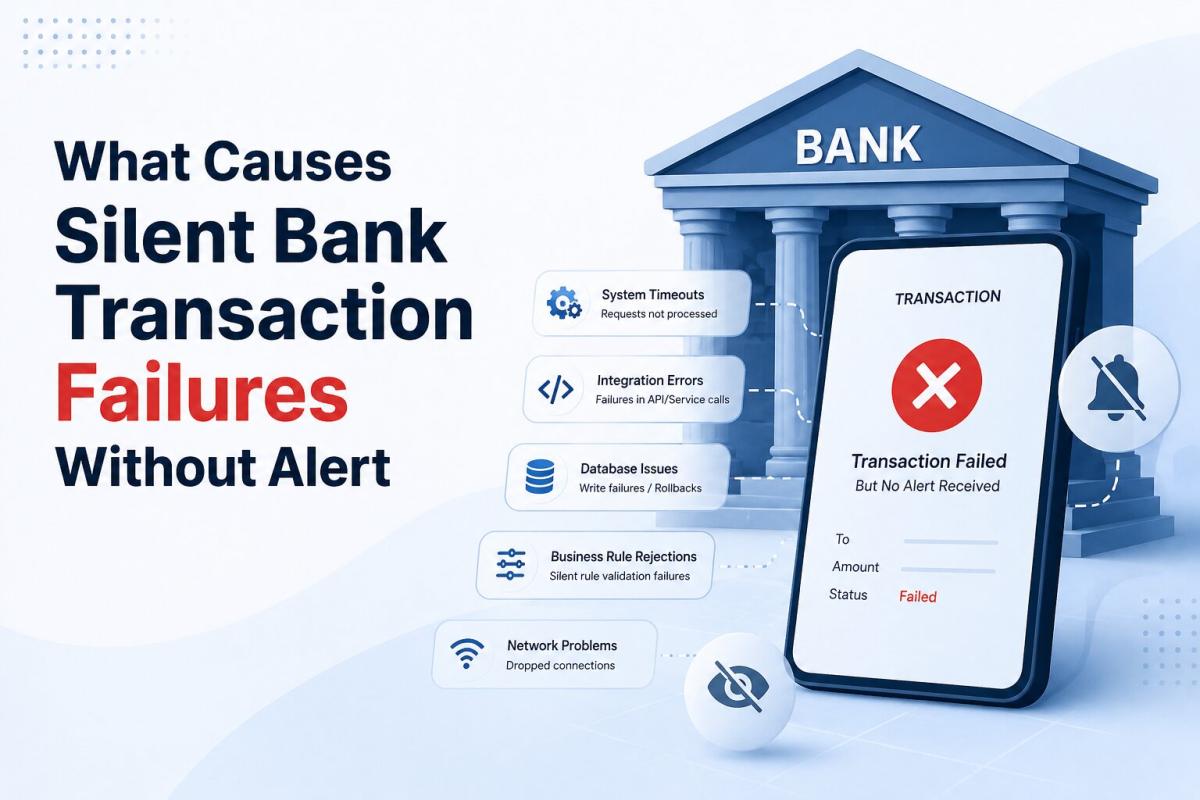
Published on Apr 28, 2026
What Causes Silent Bank Transaction Failures Without Alert
Discover the key causes of silent bank transaction failures, including network timeouts, API issues, system delays, and how banks resolve these hidden payment errors.
Priya Nair
Senior Compliance Editor at IFSC.co
Published on Apr 28, 2026
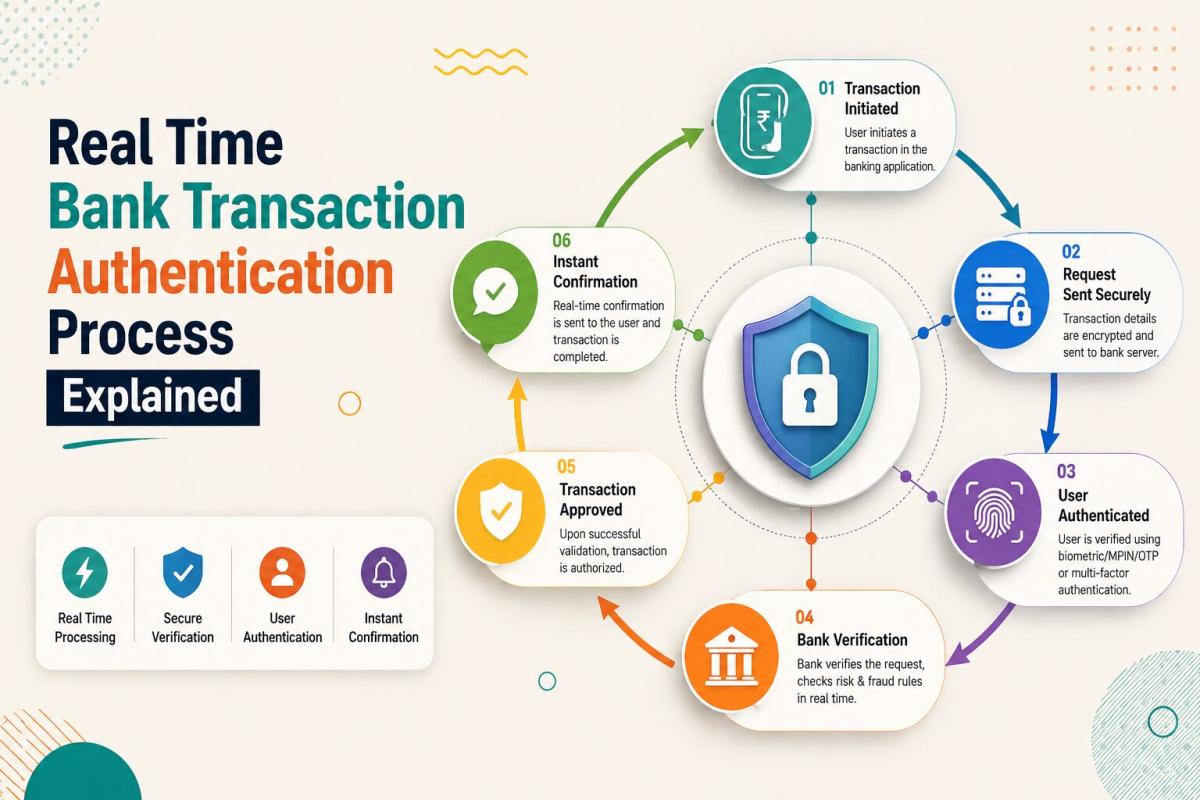
Real Time Bank Transaction Authentication Process Explained
Understand how real-time bank transaction authentication works using OTP, biometrics, encryption, and AI-driven fraud detection to secure digital payments instantly.
Priya Nair
Senior Compliance Editor at IFSC.co
calculate Financial Calculators
EMI Calculator
FD Calculator
GST Calculator
Lumpsum Calculator
Mutual Fund Returns Calculator
PPF Calculator
RD Calculator
SIP Calculator
SWP Calculator
article Latest Blog Posts
ELSS vs PPF vs NPS: Which Tax-Saving Investment Gives the Best Returns?
Compare ELSS vs PPF vs NPS to find the best tax-saving investment. Understand returns, lock-in periods, and features to choose what suits your goals.
SIP & Investing • 11 MINS READ
How to Start SIP with ₹500 Per Month: Beginner's Guide to Mutual Funds
Learn how to start a SIP with ₹500 per month in mutual funds. Simple beginner’s guide to investing, building wealth, and growing money with small steps.
SIP & Investing • 13 MINS READ
Senior Citizen FD Rates 2026: Which Banks Offer the Highest Interest?
Compare senior citizen FD rates in 2026 and find which banks offer the highest interest. Learn about returns, tenures, and tips to choose the best FD.
FD, PPF & Savings • 12 MINS READ
Sukanya Samriddhi Yojana (SSY): Interest Rate, Rules & Calculator Guide 2026
Learn about Sukanya Samriddhi Yojana (SSY) including eligibility criteria, required documentation, step by step application process, tax benefits explanation and comparison b/w SSY, PPF and FD
FD, PPF & Savings • 11 MINS READ
2 reasons why online banking is important in today’s COVID-19 situation
Discover why online banking became essential during COVID-19. Learn how digital banking ensured safety, convenience, and uninterrupted financial services.
Digital Banking • 4 MINS READ