Beyond Passwords: Understanding Banking Security Layers in Online Transactions
Discover how banks secure online transactions using MFA, encryption, AI fraud detection, behavioral biometrics, network security, and compliance measures in 2026.

Table of Contents
Have you ever paused mid-transaction online, a flicker of doubt crossing your mind about the safety of your money? I certainly have. It’s a natural human reaction to the digital unknown. Yet, what many don’t realize is the incredible fortress built around our finances. The truth is, the banking security layers used in online transactions are astonishingly robust, a complex interwoven tapestry of technology, protocols, and human expertise designed to thwart even the most sophisticated cyber threats. It’s a constant arms race, but banks are investing monumental resources to stay not just one, but many steps ahead, ensuring your hard-earned money remains exactly where it should be.
Multi-Factor Authentication: Your Digital Key
One of the most immediate and impactful banking security layers you encounter is Multi-Factor Authentication (MFA). Gone are the days when a simple password was enough; today, banks demand more. This typically involves something you know (like your password), something you have (your phone receiving a one-time code), and sometimes even something you are (your fingerprint or face scan). This layered approach significantly reduces the risk of unauthorized access, even if a cybercriminal manages to steal one piece of your login credentials.
The reliance on MFA has profoundly elevated personal online banking security. Modern systems often integrate biometric authentication, leveraging the unique physical characteristics of individuals, making impersonation exceedingly difficult. Think about the convenience of using your thumbprint or a quick face scan to log into your banking app – it’s not just about speed, it’s about a deeply personal and almost unforgeable layer of security. Banks are constantly refining these methods, pushing towards even more seamless yet impenetrable authentication standards by 2026.
Fortifying Data with Advanced Encryption
Beyond who can access your account, paramount importance is placed on how your data travels and rests. This is where advanced encryption standards become a non-negotiable banking security layer. When you perform an online transaction, your data isn’t just sent across the internet in plain text; it’s scrambled into an unreadable format using complex algorithms. This process, often facilitated by TLS (Transport Layer Security) protocols, ensures that even if intercepted, your sensitive information – account numbers, passwords, transaction details – remains indecipherable to unauthorized parties.
The commitment to encryption extends beyond data in transit. Your personal and financial information stored on bank servers is also heavily encrypted, often using different keys and methods to protect it at rest. This “data at rest” encryption is crucial for safeguarding against breaches of bank databases, acting as a final line of defense should an attacker somehow penetrate other perimeter security measures. Banks employ highly specialized cryptographic techniques, continuously updating them to counteract evolving decryption methods, making your financial data a digital enigma to anyone without the proper keys.
AI-Powered Fraud Detection Systems
Perhaps one of the most dynamic and sophisticated banking security layers is the deployment of Artificial Intelligence and Machine Learning for real-time fraud detection. These systems work tirelessly behind the scenes, analyzing millions of transactions every second. They learn your typical spending habits, locations, and transaction patterns, creating a unique financial “fingerprint” for you. When a transaction deviates significantly from this established pattern – say, a large purchase in a foreign country you’ve never visited – the system immediately flags it as suspicious.
This proactive approach allows banks to often detect and stop fraudulent transactions before they even complete, protecting both you and the bank from financial loss. The AI isn’t just looking for obvious red flags; it’s capable of identifying subtle anomalies and emerging fraud schemes that human eyes might miss. It’s a constant learning process for these systems, adapting to new threats and refining their algorithms to become even more accurate and efficient in combating financial crime.
Behavioral Biometrics in Action
A fascinating evolution within AI-powered fraud detection is the rise of behavioral biometrics. This technology monitors the unique ways a user interacts with their device – how they type, swipe, scroll, or hold their phone. It creates a profile based on these subtle, subconscious movements. If an unauthorized user attempts to access an account, even with correct credentials, their interaction patterns will differ from the legitimate user’s, triggering an alert. This adds another powerful, passive layer of verification that operates continuously throughout a session.
Robust Network Security Infrastructures
Underpinning all these layers is a formidable network security infrastructure, acting as the digital walls and moats around the banking system. Banks invest heavily in state-of-the-art firewalls, intrusion detection systems (IDS), and intrusion prevention systems (IPS) that monitor network traffic 24/7 for malicious activity. These systems are designed to identify and block unauthorized access attempts, malware, and other cyber threats before they can even reach internal systems. For more on how network security protects critical infrastructure, you might find this resource from the Cybersecurity & Infrastructure Security Agency (CISA) insightful: https://www.cisa.gov/
Furthermore, banks employ advanced DDoS (Distributed Denial of Service) protection to ensure their online services remain accessible to legitimate customers, even under attack. Secure API gateways manage and protect the interfaces through which different banking services and third-party applications communicate, preventing malicious actors from exploiting these connections. These comprehensive network defenses are continuously updated and audited, reflecting the banks’ unwavering commitment to maintaining an impenetrable digital perimeter against an ever-evolving threat landscape.
Rigorous Regulatory Compliance and Audits
Beyond the technological safeguards, an essential, albeit often unseen, banking security layer is the stringent regulatory compliance framework and continuous auditing processes. Financial institutions are subject to a myriad of national and international regulations, such as PCI DSS for payment card data, GDPR for data privacy, and numerous local banking laws. These regulations mandate specific security standards, data handling practices, and incident response protocols, ensuring a baseline of robust security across the industry. This is not optional; compliance is enforced with heavy penalties.
Banks undergo regular, independent security audits and penetration testing, where ethical hackers attempt to breach their systems to identify vulnerabilities. These assessments are critical for proactively identifying weaknesses and ensuring that security measures are effective against the latest threats. The constant scrutiny from regulators and independent experts provides an invaluable external check, pushing banks to maintain the highest levels of security posture and adapt their defenses in anticipation of future challenges, well into 2026 and beyond. For a deeper dive into regulatory frameworks, the Federal Reserve’s guidance on cybersecurity risk management provides excellent context: https://www.federalreserve.gov/supervisionreg/srletters/sr1604a1.pdf
Key Takeaways
- Multi-Factor Authentication (MFA) is Your First and Best Defense: Always enable MFA for your banking apps. It’s a simple step that exponentially increases your security by requiring multiple forms of verification, making it incredibly difficult for unauthorized users to gain access.
- Encryption Protects Data Everywhere: From the moment you click “send” on a transaction to when your data rests on bank servers, advanced encryption scrambles your information, making it unreadable to anyone without proper authorization.
- AI & Machine Learning Act as Silent Guardians: Banks utilize sophisticated AI systems that learn your financial behavior, identifying and flagging suspicious transactions in real-time, often stopping fraud before you even notice it.
- Security is a Multi-Layered Ecosystem: No single security measure is enough. Banking security relies on a complex interplay of authentication, encryption, fraud detection, network defenses, and regulatory oversight to create a robust shield around your finances.
Frequently Asked Questions
How do banks protect my password?
Banks employ sophisticated techniques like hashing and salting to protect your password. This means your actual password is never stored in plain text. Instead, it’s converted into a unique, fixed-length string of characters (hashed) and often combined with random data (salted) before storage. If a database were ever compromised, the attackers would only get these indecipherable hashes, not your actual password.
What is 2FA/MFA and why is it important?
2FA (Two-Factor Authentication) or MFA (Multi-Factor Authentication) requires you to provide two or more distinct pieces of evidence to verify your identity. This typically combines something you know (like a password) with something you have (like a code sent to your phone) or something you are (like a fingerprint). It’s crucial because it adds a significant layer of security, making it extremely difficult for an attacker to access your account even if they manage to steal your password.
Can my bank account still be hacked despite these layers?
While banking security layers are incredibly strong, no system is 100% foolproof, and the weakest link often lies with the user. Phishing attacks, where criminals trick you into revealing credentials, or malware on your personal device can still compromise your account. Banks do their part, but user vigilance, such as using strong, unique passwords and being wary of suspicious links, remains paramount.
What’s the biggest threat to online banking security in 2026?
Looking ahead to 2026, the biggest ongoing threat to online banking security will likely continue to be social engineering attacks, particularly sophisticated phishing and vishing (voice phishing) campaigns. While technology advances, human vulnerability remains a target. Cybercriminals are constantly refining their deceptive tactics to trick individuals into compromising their own accounts, bypassing even the most advanced technical security layers.
Conclusion
The intricate web of banking security layers used in online transactions is a testament to the financial industry’s profound commitment to protecting your digital assets. From cutting-edge AI to fundamental encryption and strict regulatory oversight, every facet is designed to instill confidence and repel threats. While no system can eliminate all risk, the continuous innovation and substantial investment by banks ensure that online banking remains remarkably secure. Your role in this ecosystem is to stay informed, practice good cyber hygiene, and trust that the experts are diligently working to safeguard your financial future.
Related Blogs
Published on May 06, 2026
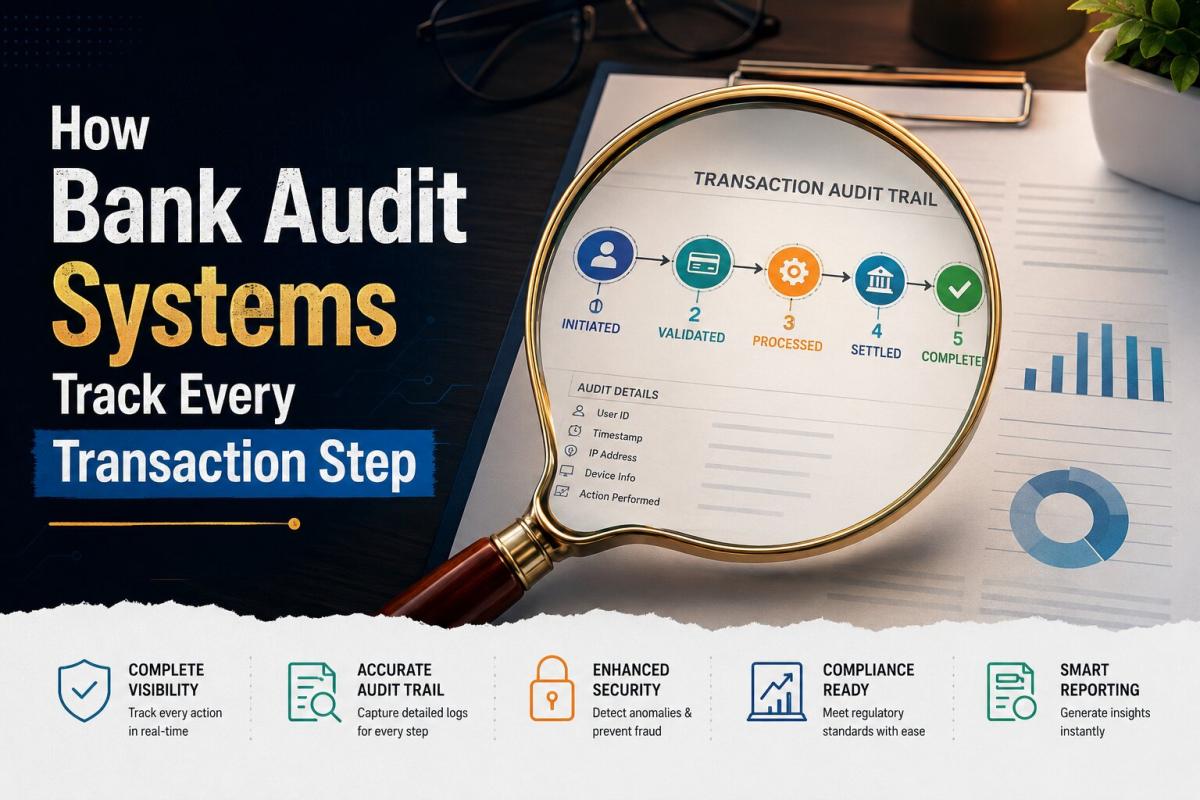
How Bank Audit Systems Track Every Transaction Step
Discover how bank audit systems track every transaction step using audit trails, real-time logging, and AI monitoring to ensure transparency, fraud detection, and regulatory compliance.
Priya Nair
Senior Compliance Editor at IFSC.co
Published on May 06, 2026
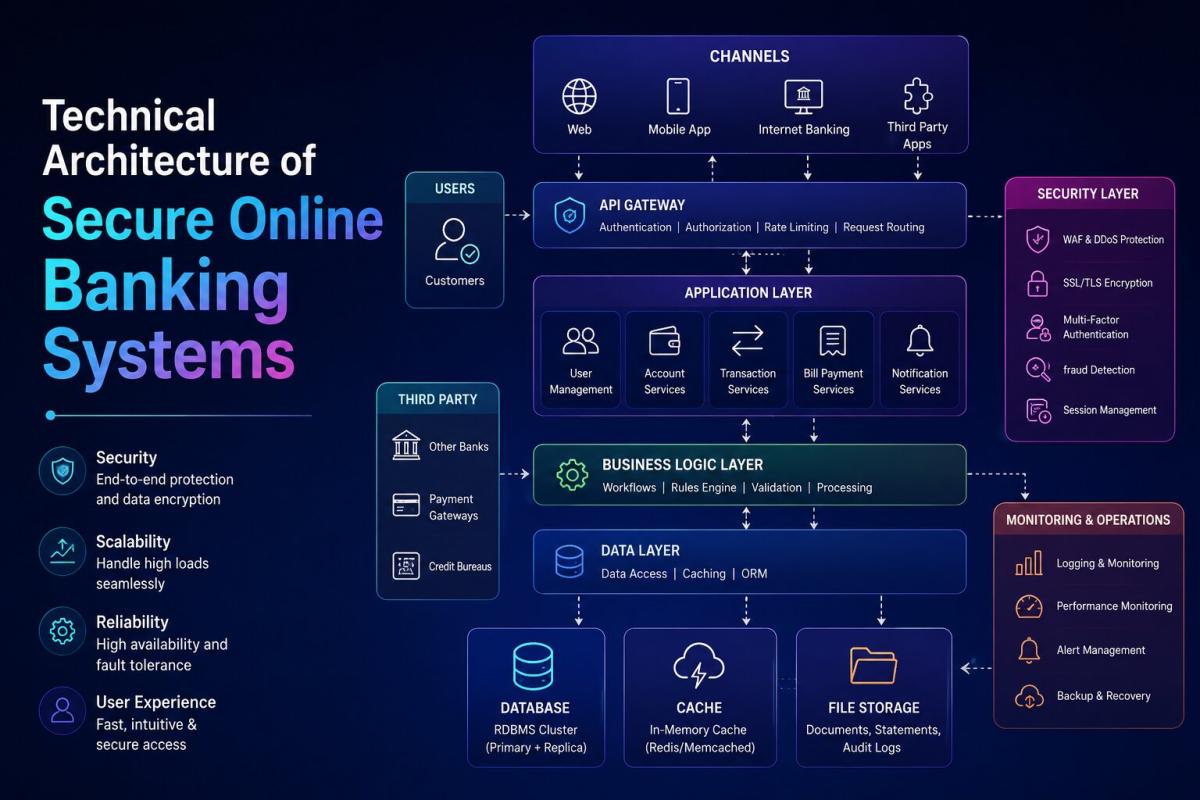
Technical Architecture of Secure Online Banking Systems
Explore the technical architecture of secure online banking systems, including layered security, encryption, authentication, APIs, and fraud detection that protect digital transactions.
Priya Nair
Senior Compliance Editor at IFSC.co
Published on Apr 28, 2026
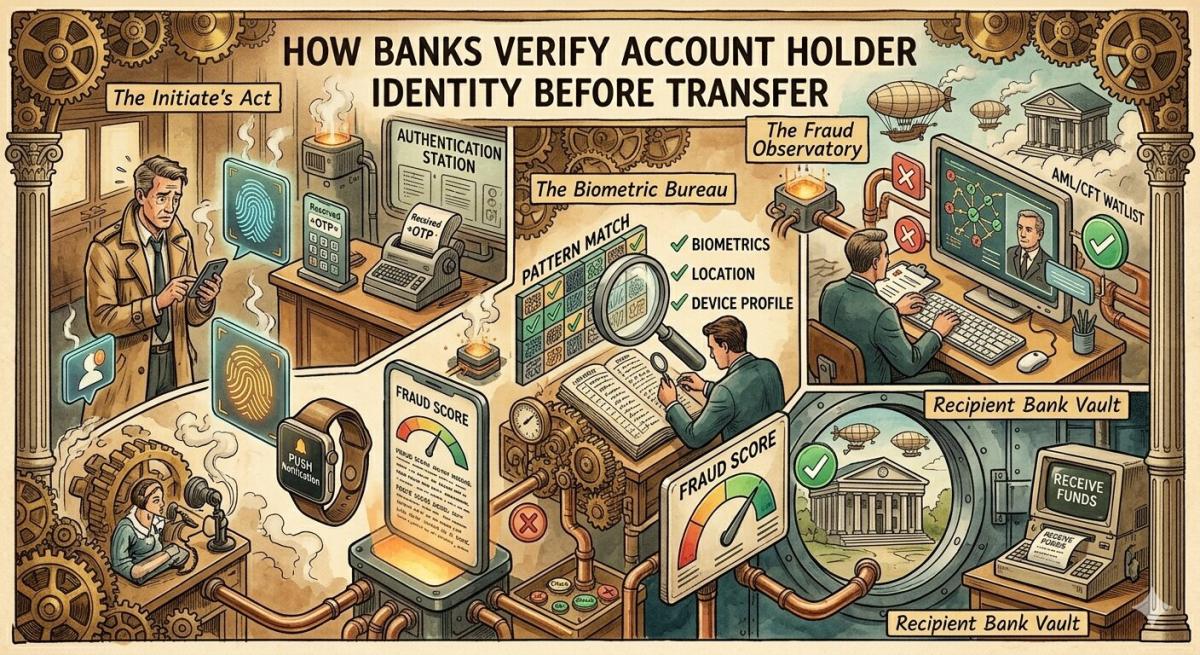
How Banks Verify Account Holder Identity Before Transfer
Learn how banks verify account holder identity before transfers using KYC, OTP, biometrics, and real-time fraud detection to ensure secure and compliant digital transactions.
Priya Nair
Senior Compliance Editor at IFSC.co
Published on Apr 28, 2026
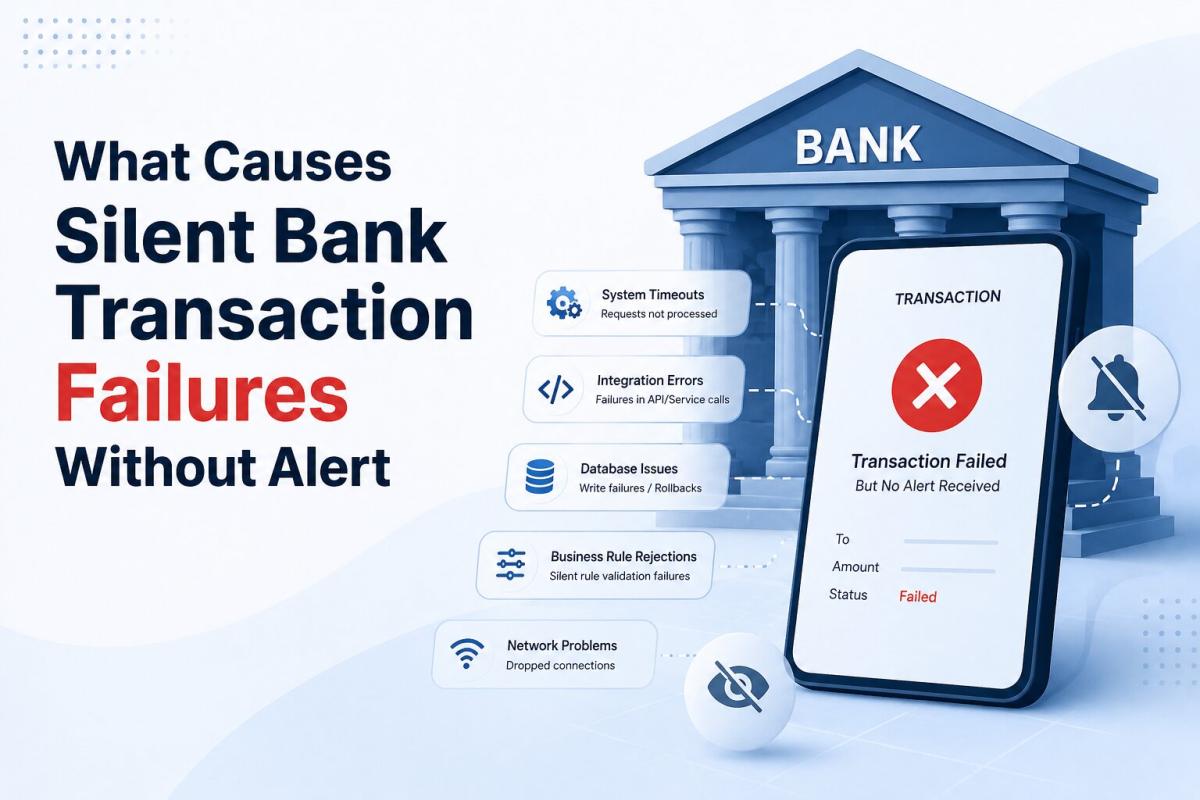
What Causes Silent Bank Transaction Failures Without Alert
Discover the key causes of silent bank transaction failures, including network timeouts, API issues, system delays, and how banks resolve these hidden payment errors.
Priya Nair
Senior Compliance Editor at IFSC.co
Published on Apr 28, 2026
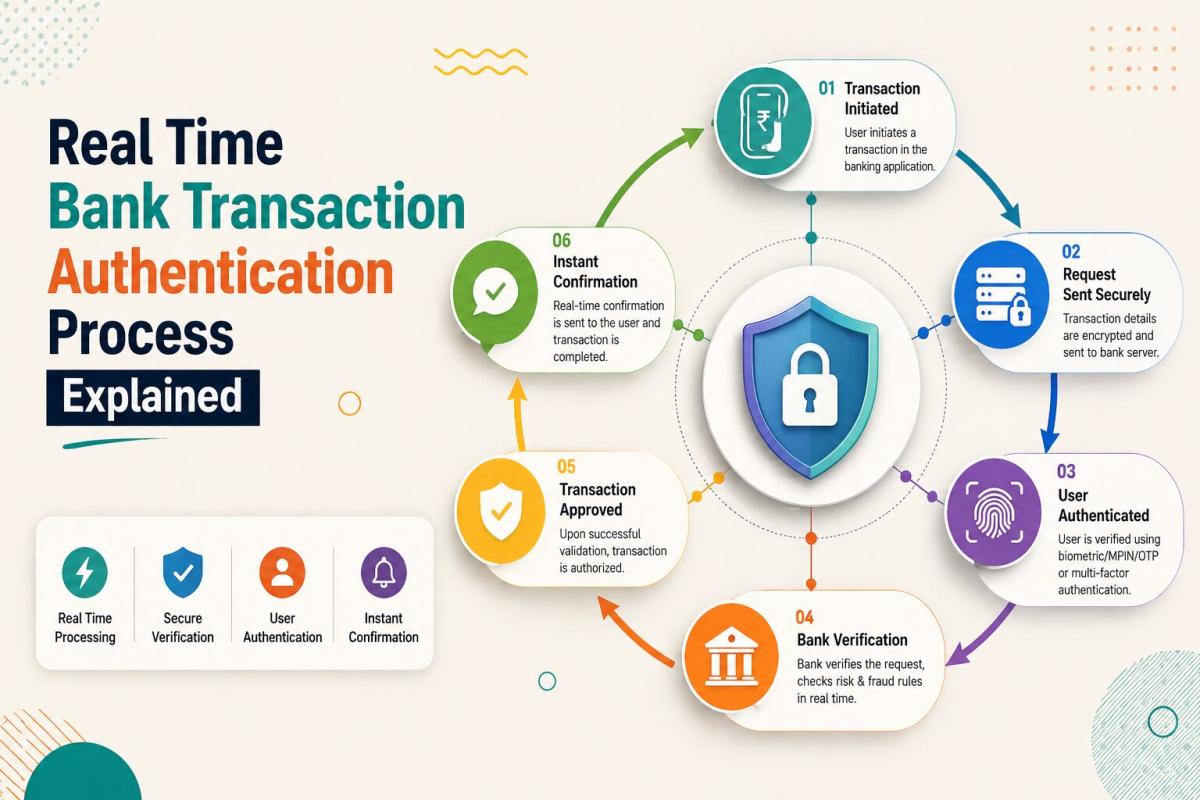
Real Time Bank Transaction Authentication Process Explained
Understand how real-time bank transaction authentication works using OTP, biometrics, encryption, and AI-driven fraud detection to secure digital payments instantly.
Priya Nair
Senior Compliance Editor at IFSC.co
calculate Financial Calculators
EMI Calculator
FD Calculator
GST Calculator
Lumpsum Calculator
Mutual Fund Returns Calculator
PPF Calculator
RD Calculator
SIP Calculator
SWP Calculator
article Latest Blog Posts
ELSS vs PPF vs NPS: Which Tax-Saving Investment Gives the Best Returns?
Compare ELSS vs PPF vs NPS to find the best tax-saving investment. Understand returns, lock-in periods, and features to choose what suits your goals.
SIP & Investing • 11 MINS READ
How to Start SIP with ₹500 Per Month: Beginner's Guide to Mutual Funds
Learn how to start a SIP with ₹500 per month in mutual funds. Simple beginner’s guide to investing, building wealth, and growing money with small steps.
SIP & Investing • 13 MINS READ
Senior Citizen FD Rates 2026: Which Banks Offer the Highest Interest?
Compare senior citizen FD rates in 2026 and find which banks offer the highest interest. Learn about returns, tenures, and tips to choose the best FD.
FD, PPF & Savings • 12 MINS READ
Sukanya Samriddhi Yojana (SSY): Interest Rate, Rules & Calculator Guide 2026
Learn about Sukanya Samriddhi Yojana (SSY) including eligibility criteria, required documentation, step by step application process, tax benefits explanation and comparison b/w SSY, PPF and FD
FD, PPF & Savings • 11 MINS READ
2 reasons why online banking is important in today’s COVID-19 situation
Discover why online banking became essential during COVID-19. Learn how digital banking ensured safety, convenience, and uninterrupted financial services.
Digital Banking • 4 MINS READ