Understanding Bank Transaction Limits: Why They Keep Your Money Safe
Learn why banks impose transaction limits, how they prevent fraud and money laundering, and how daily, weekly, and channel-based limits help protect your money in 2026.

Table of Contents
- The Unseen Shield: Fraud Prevention
- Combating Illicit Activities and Money Laundering
- Navigating Daily, Weekly, and Monthly Caps
- Why Different Channels Have Different Ceilings
- Your Role in Managing and Adjusting Limits
- The Evolving Landscape of Digital Security
- Key Takeaways
- Frequently Asked Questions
- Conclusion
It was a Saturday morning, and I vividly recall the panic rising in my friend’s voice. Her bank account had been compromised, and a series of unauthorized transactions were attempting to drain her savings. Yet, amidst the chaos, a surprising element provided a crucial safety net: the bank’s transaction limits. These often-frustrating caps, which we sometimes grumble about, had prevented the fraudsters from taking the entire sum, buying her precious time to react. This experience profoundly underscored the critical importance of bank transaction limits and their security purpose, revealing them not as mere inconveniences but as foundational pillars of our financial defense system. Understanding these limits is not just about compliance; it’s about appreciating a vital layer of protection in an increasingly digital world.
The Unseen Shield: Fraud Prevention
At the heart of bank transaction limits lies a powerful commitment to fraud prevention. Imagine a scenario where a criminal gains access to your account credentials. Without any caps, they could instantly liquidate all your assets, leaving you in financial ruin. Transaction limits act as a crucial speed bump, ensuring that even if fraudsters breach initial defenses, their ability to inflict maximum damage is severely curtailed. This proactive measure minimizes potential losses for both customers and financial institutions, making the banking ecosystem more resilient against sophisticated cyber threats and identity theft. It’s a fundamental aspect of modern financial security.
Beyond simply reducing immediate monetary loss, these limits provide essential time for fraud detection systems to kick in. Banks employ advanced algorithms and AI to monitor transactions in real-time, looking for anomalies that deviate from your usual spending patterns. If a large, unusual transaction attempt hits a limit, it triggers an alert, allowing the bank to investigate and potentially block the activity before it’s too late. This layered approach, combining hard limits with intelligent monitoring, is a cornerstone of protecting your funds and maintaining the integrity of the financial system against ever-evolving criminal tactics.
Combating Illicit Activities and Money Laundering
Transaction limits serve a far broader societal purpose than just individual account protection; they are an indispensable tool in the global fight against money laundering and the financing of terrorism. Criminal organizations often attempt to move large sums of illicit cash through legitimate banking channels to obscure its origins. By imposing limits on the size and frequency of transactions, banks make it significantly harder for these groups to “wash” their dirty money quickly and discreetly. This regulatory requirement, often mandated by international bodies and national laws, compels financial institutions to be vigilant gatekeepers.
These caps force illicit actors to break down large sums into smaller, more manageable transactions, a process known as “smurfing” or “structuring.” This fragmentation increases the complexity and risk for criminals, making their activities more visible and easier for financial intelligence units to detect. Banks, adhering to strict Anti-Money Laundering (AML) and Know Your Customer (KYC) regulations, scrutinize these patterns. The limits are a constant reminder that transparency and accountability are paramount, creating a hostile environment for those who seek to exploit the financial system for nefarious purposes in 2026 and beyond.
Navigating Daily, Weekly, and Monthly Caps
When you interact with your bank, you’ll encounter a variety of transaction limits tailored to different activities and timeframes. Daily limits restrict the total amount you can spend or withdraw in a 24-hour period, commonly applied to ATM withdrawals, debit card purchases, and online transfers. Weekly and monthly limits extend this oversight, preventing a cumulative large outflow of funds over a longer duration. These caps are not arbitrary; they are meticulously calculated based on a blend of industry best practices, regulatory directives, and your individual banking relationship, aiming to strike a balance between security and convenience.
Understanding these different tiers of limits is crucial for managing your finances effectively and avoiding unexpected roadblocks. For instance, if you plan a significant purchase, such as buying a new appliance, you might find your debit card’s daily purchase limit insufficient. Similarly, a large cash withdrawal for a personal project could easily exceed your ATM limit. Being aware of these specific constraints allows you to plan ahead, whether by using alternative payment methods, spreading transactions over several days, or proactively requesting a temporary limit increase from your bank.
Why Different Channels Have Different Ceilings
It’s common to observe that transaction limits vary significantly across different banking channels, and there’s a sensible security rationale behind this. ATM withdrawals typically have lower limits than online transfers or point-of-sale purchases. This differentiation reflects the varying risk profiles associated with each channel. ATMs, for example, carry a higher risk of physical card compromise or skimming, making conservative limits a prudent measure to mitigate potential cash theft. Online banking, while secure, still presents unique vulnerabilities like phishing or malware, necessitating careful caps on digital transfers.
Conversely, in-person bank tellers often have the highest transaction flexibility, as they can verify identity more robustly through physical documentation and face-to-face interaction. This layered approach to limits acknowledges that each transaction method presents a distinct set of security challenges and opportunities for verification. By assigning different ceilings, banks can optimize their security posture, providing greater convenience where risk is lower and imposing stricter controls where vulnerabilities are more pronounced, all while adhering to evolving security standards for 2026.
Your Role in Managing and Adjusting Limits
While banks implement transaction limits for your protection, you aren’t entirely powerless when a legitimate need arises for a larger transaction. Most financial institutions offer mechanisms to temporarily or, in some cases, permanently adjust these limits. If you need to make a substantial purchase or transfer, contacting your bank in advance is always the best course of action. They will likely ask for verification of your identity and the purpose of the transaction to ensure its legitimacy. This process, while sometimes requiring a brief conversation, is a testament to the bank’s commitment to both security and customer service.
Proactive communication with your bank is key. Waiting until the last minute to request a limit increase can lead to delays or even denied transactions, causing unnecessary stress. By informing your bank of your intentions well ahead of time, you allow them to perform their due diligence without disrupting your plans. Remember, these limits are designed to protect you, not to hinder your legitimate financial activities. A good relationship with your bank, built on trust and communication, ensures that your financial needs are met while maintaining robust security protocols, as detailed by institutions like the FDIC.
The Evolving Landscape of Digital Security
The world of financial security is constantly evolving, with banks continually refining their strategies to protect customers. Transaction limits, while a static control, are increasingly complemented by dynamic, AI-driven fraud detection systems that learn from your behavior patterns. These intelligent systems can identify unusual activity even within your established limits, providing an additional layer of real-time protection. The synergy between fixed limits and adaptive technology creates a formidable defense against increasingly sophisticated cyber threats. This ongoing innovation ensures that our financial safeguards remain robust.
As we look towards 2026, we can expect transaction limits to become even more personalized, leveraging advanced data analytics to tailor caps based on individual customer profiles, spending habits, and risk tolerance. This move towards hyper-personalization aims to minimize inconvenience for legitimate users while maximizing security against fraudulent activities. The ultimate goal is a seamless, secure banking experience where limits are largely invisible until they are needed most, silently working in the background to safeguard your financial well-being in an ever-connected world.
Key Takeaways
- Fundamental Fraud Prevention: Transaction limits are a primary defense against financial fraud, drastically reducing potential losses if an account is compromised by acting as a critical speed bump for unauthorized activity.
- Crucial for Anti-Money Laundering: These caps are essential tools in the global fight against illicit financial activities, making it significantly harder for criminals to “wash” large sums of money and finance illegal operations.
- Varied Limits for Different Channels: Banks implement distinct limits for ATMs, online transfers, and point-of-sale transactions based on the unique risk profiles associated with each channel, optimizing security where vulnerabilities are highest.
- Proactive Management is Key: Customers can often adjust their limits for legitimate needs by contacting their bank in advance, highlighting the importance of communication to balance security with personal financial requirements.
Frequently Asked Questions
Why do banks impose transaction limits?
Banks impose transaction limits primarily for security purposes, including fraud prevention, anti-money laundering (AML) compliance, and to protect both customers and the institution from significant financial losses due to unauthorized activity or cyberattacks. They are a mandated regulatory requirement in many jurisdictions.
Can I increase my transaction limits temporarily?
Yes, in most cases, you can request a temporary increase to your transaction limits. You’ll typically need to contact your bank directly, verify your identity, and provide a legitimate reason for the larger transaction. It’s always best to do this in advance to avoid delays.
Do all types of bank accounts have the same limits?
No, transaction limits can vary significantly based on the type of account (e.g., checking, savings, business), the banking channel used (e.g., ATM, online, branch), and even your individual relationship with the bank, including your account history and risk profile.
What happens if I try to exceed a transaction limit?
If you attempt to exceed a transaction limit, the transaction will typically be declined. You will usually receive a notification from your bank, either via an error message at the point of sale, a text alert, or an email, informing you that the transaction limit has been reached.
Conclusion
Bank transaction limits, though sometimes perceived as an inconvenience, are far more than mere bureaucratic hurdles. They are a meticulously designed, multi-layered defense mechanism, silently safeguarding our financial well-being against an ever-present array of threats, from individual fraudsters to sophisticated money laundering schemes. Appreciating their critical security purpose transforms them from an obstacle into a reassuring guardian. By understanding these limits and knowing how to navigate them responsibly, we empower ourselves to manage our finances securely, recognizing that these caps are an indispensable part of a robust and trustworthy financial system.
Related Blogs
Published on May 06, 2026
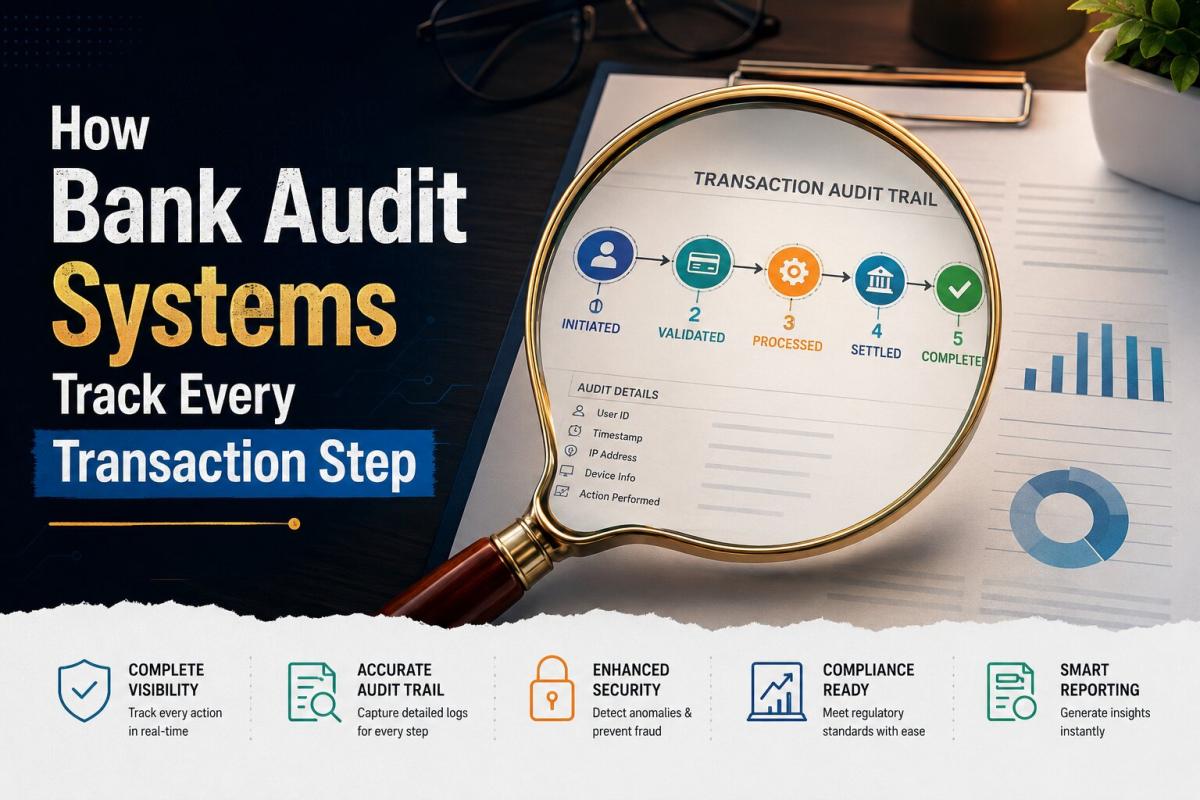
How Bank Audit Systems Track Every Transaction Step
Discover how bank audit systems track every transaction step using audit trails, real-time logging, and AI monitoring to ensure transparency, fraud detection, and regulatory compliance.
Priya Nair
Senior Compliance Editor at IFSC.co
Published on May 06, 2026
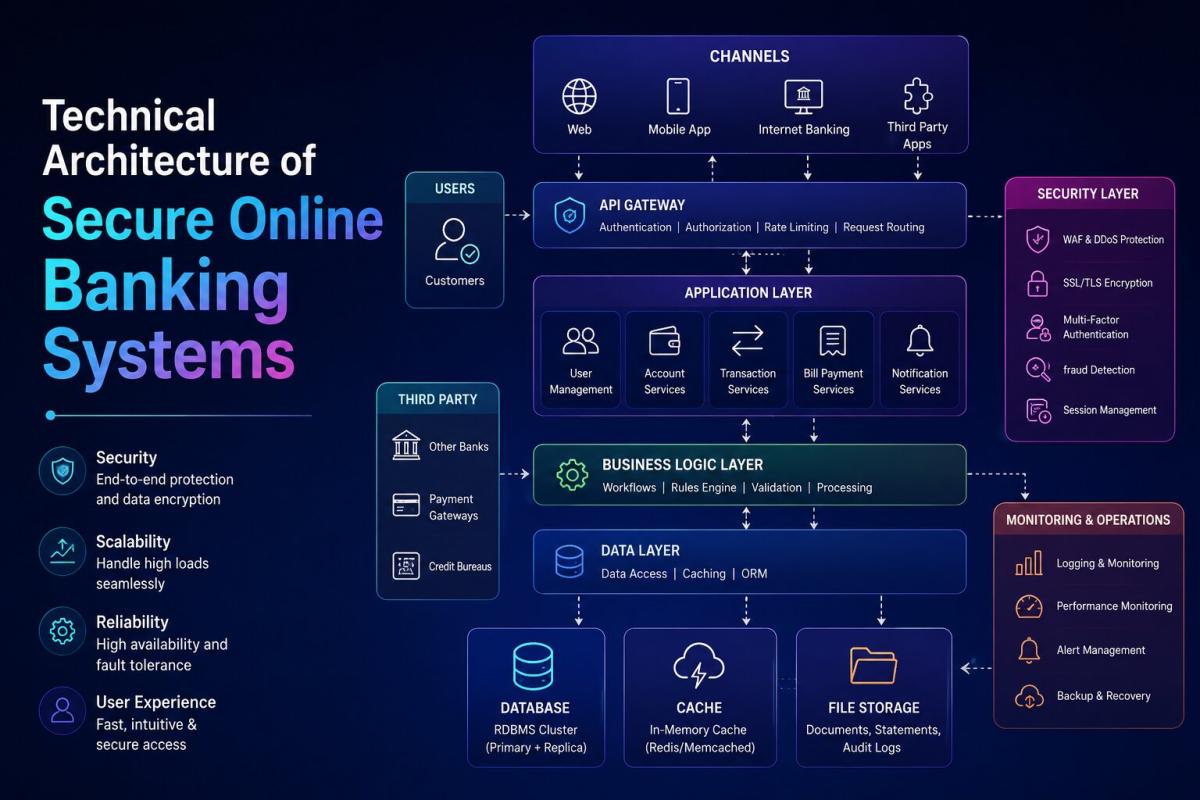
Technical Architecture of Secure Online Banking Systems
Explore the technical architecture of secure online banking systems, including layered security, encryption, authentication, APIs, and fraud detection that protect digital transactions.
Priya Nair
Senior Compliance Editor at IFSC.co
Published on Apr 28, 2026
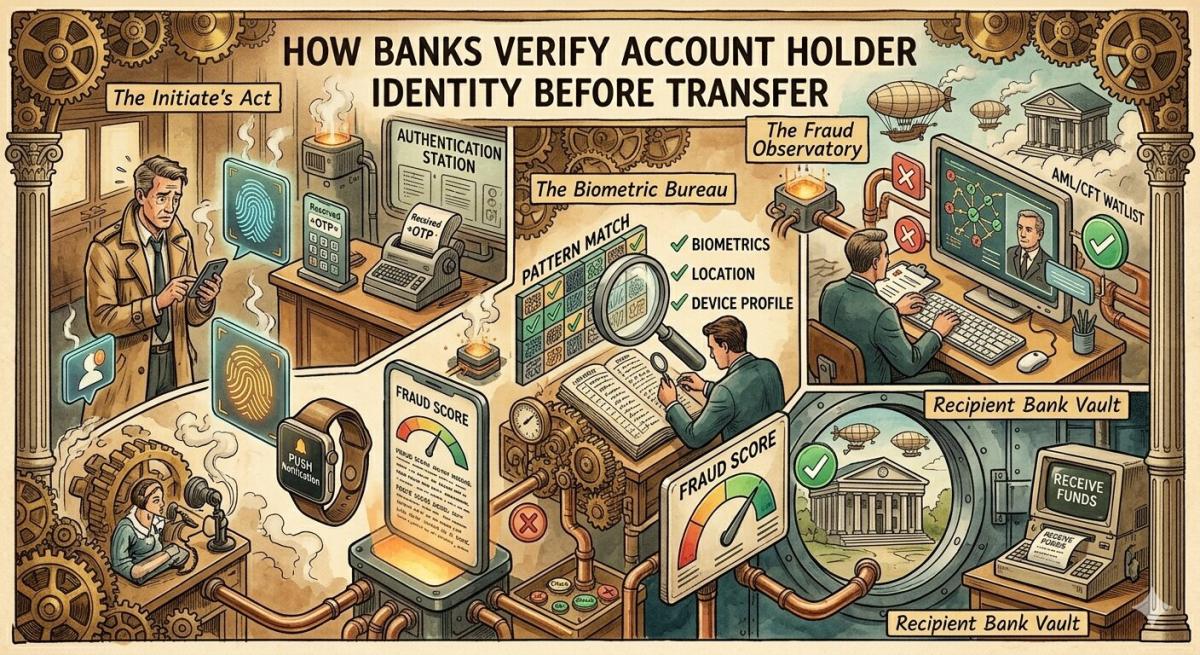
How Banks Verify Account Holder Identity Before Transfer
Learn how banks verify account holder identity before transfers using KYC, OTP, biometrics, and real-time fraud detection to ensure secure and compliant digital transactions.
Priya Nair
Senior Compliance Editor at IFSC.co
Published on Apr 28, 2026
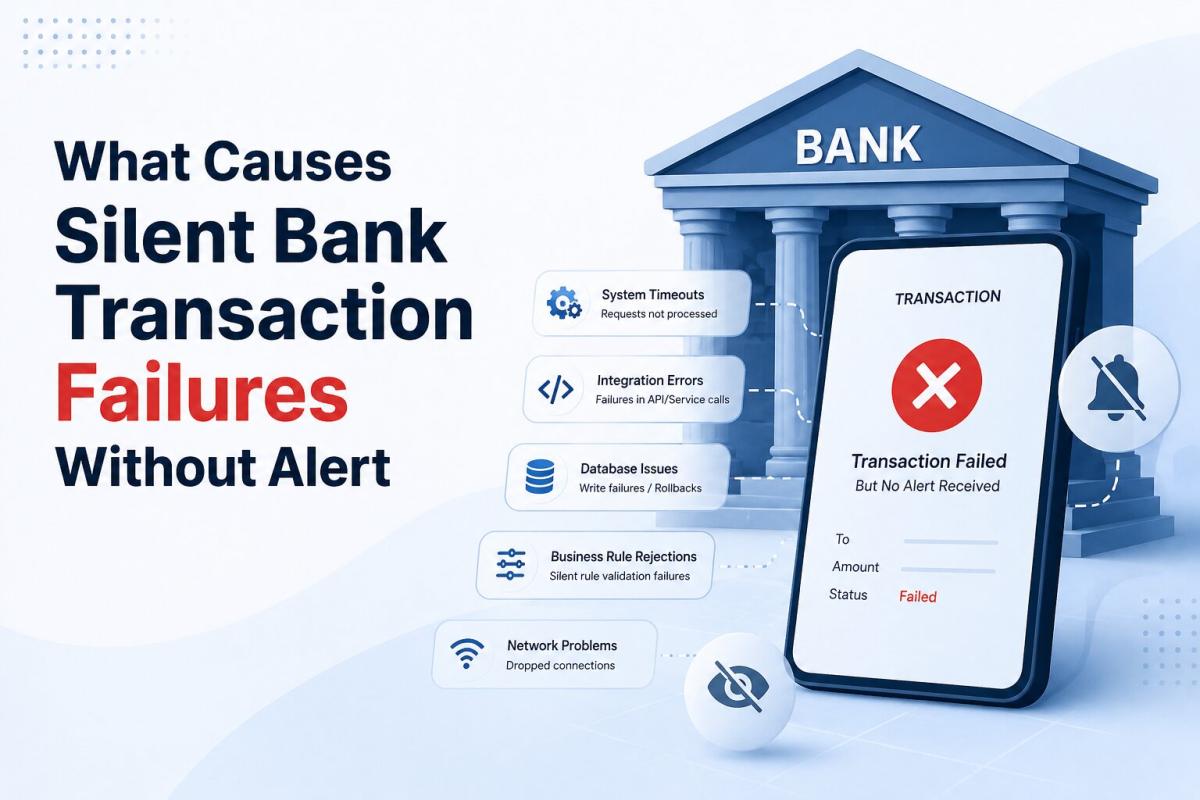
What Causes Silent Bank Transaction Failures Without Alert
Discover the key causes of silent bank transaction failures, including network timeouts, API issues, system delays, and how banks resolve these hidden payment errors.
Priya Nair
Senior Compliance Editor at IFSC.co
Published on Apr 28, 2026
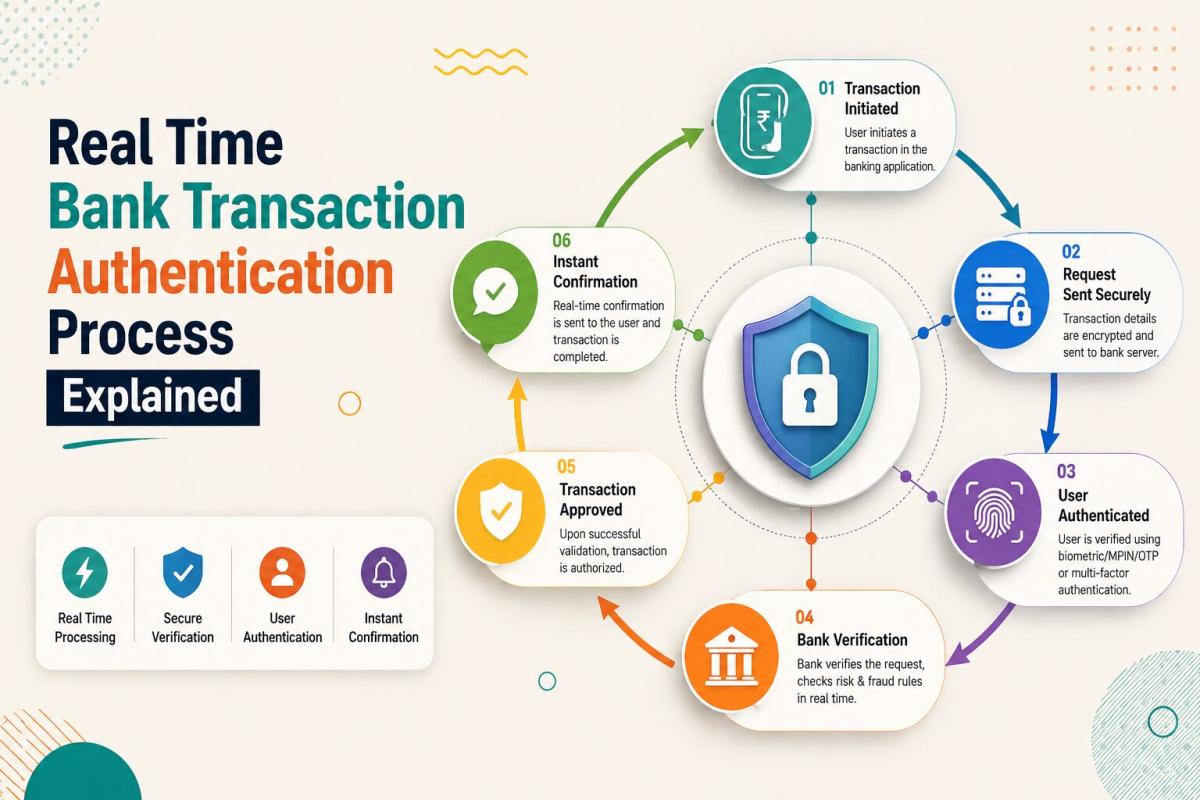
Real Time Bank Transaction Authentication Process Explained
Understand how real-time bank transaction authentication works using OTP, biometrics, encryption, and AI-driven fraud detection to secure digital payments instantly.
Priya Nair
Senior Compliance Editor at IFSC.co
calculate Financial Calculators
EMI Calculator
FD Calculator
GST Calculator
Lumpsum Calculator
Mutual Fund Returns Calculator
PPF Calculator
RD Calculator
SIP Calculator
SWP Calculator
article Latest Blog Posts
ELSS vs PPF vs NPS: Which Tax-Saving Investment Gives the Best Returns?
Compare ELSS vs PPF vs NPS to find the best tax-saving investment. Understand returns, lock-in periods, and features to choose what suits your goals.
SIP & Investing • 11 MINS READ
How to Start SIP with ₹500 Per Month: Beginner's Guide to Mutual Funds
Learn how to start a SIP with ₹500 per month in mutual funds. Simple beginner’s guide to investing, building wealth, and growing money with small steps.
SIP & Investing • 13 MINS READ
Senior Citizen FD Rates 2026: Which Banks Offer the Highest Interest?
Compare senior citizen FD rates in 2026 and find which banks offer the highest interest. Learn about returns, tenures, and tips to choose the best FD.
FD, PPF & Savings • 12 MINS READ
Sukanya Samriddhi Yojana (SSY): Interest Rate, Rules & Calculator Guide 2026
Learn about Sukanya Samriddhi Yojana (SSY) including eligibility criteria, required documentation, step by step application process, tax benefits explanation and comparison b/w SSY, PPF and FD
FD, PPF & Savings • 11 MINS READ
2 reasons why online banking is important in today’s COVID-19 situation
Discover why online banking became essential during COVID-19. Learn how digital banking ensured safety, convenience, and uninterrupted financial services.
Digital Banking • 4 MINS READ