Internal Bank Verification: The Essential Pre-Payment Security Check
Discover how internal bank verification protects your money from fraud and cybercrime. Learn about the multi-layered security checks banks use to ensure payment integrity in 2026.
Priya Nair
Senior Compliance Editor at IFSC.co
10 min read
Table of Contents
Have you ever hit ‘send’ on a significant payment, only to be consumed by a nagging doubt: “Did it actually go to the right place?” That gut-wrenching feeling is precisely why Internal Bank Verification Before Processing Payment isn’t just a bureaucratic hurdle; it’s the invisible guardian of our financial security. I’ve personally seen businesses almost crippled by a single erroneous transfer, underscoring the critical, often understated, role these internal checks play. It’s not merely about moving money; it’s about ensuring integrity, preventing fraud, and upholding trust in a world where digital transactions dominate. Understanding this intricate process reveals the robust mechanisms banks employ to protect both their assets and yours, long before your funds ever leave their vault.
The Imperative of Due Diligence
The financial landscape of 2026 is fraught with sophisticated threats, making robust due diligence more critical than ever before. Banks face an escalating tide of cybercrime, identity theft, and money laundering schemes, all designed to exploit weaknesses in payment systems. Without stringent internal verification protocols, financial institutions would be vulnerable to massive losses, regulatory penalties, and irreparable damage to their reputation. This proactive stance ensures that every transaction is scrutinized, not just for accuracy but for legitimacy, creating a vital barrier against illicit financial activities that threaten global stability. It’s a constant arms race against fraudsters, and verification is our strongest shield.
Beyond fraud prevention, internal verification is a cornerstone of regulatory compliance. Financial institutions worldwide operate under a complex web of laws, such as Anti-Money Laundering (AML) and Know Your Customer (KYC) regulations. These mandates compel banks to understand the nature of transactions and the identities of parties involved. Failing to comply can result in colossal fines, operational restrictions, and even criminal charges against bank executives. Therefore, the verification process isn’t just good practice; it’s a legal obligation that safeguards the entire financial ecosystem, ensuring transparency and accountability in every monetary flow, from a simple bill payment to a multi-million dollar corporate transfer.
Unpacking the Verification Workflow
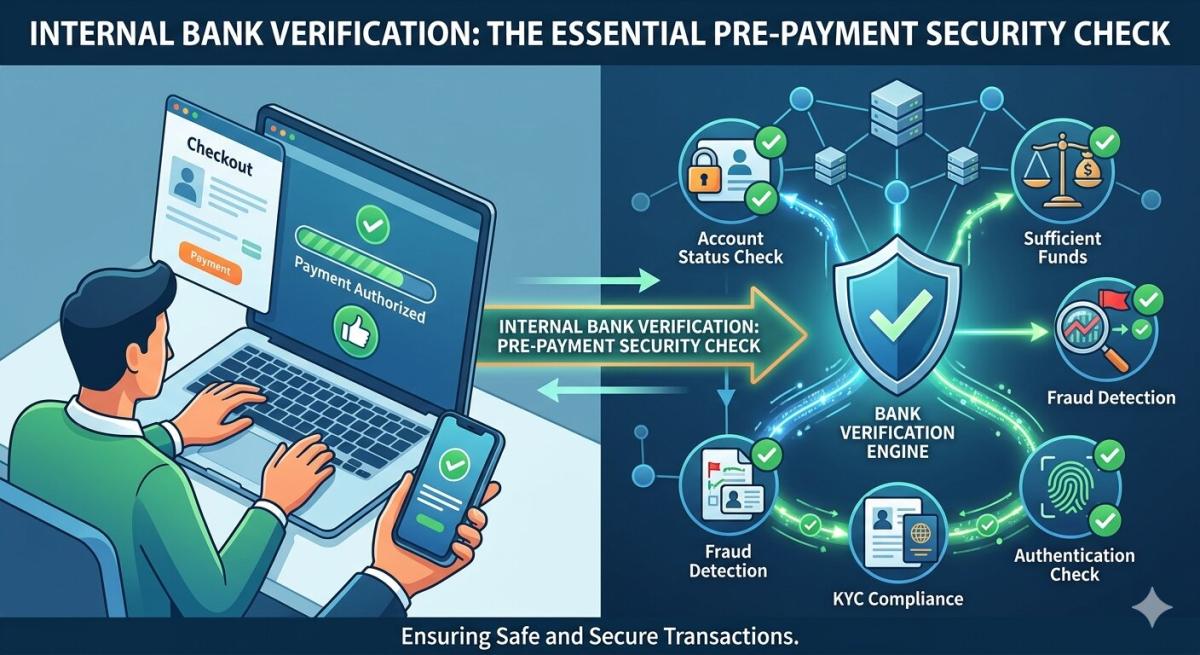
When you initiate a payment, what happens behind the scenes is a meticulously choreographed sequence of checks. The initial stage often involves automated systems validating account numbers, routing details, and beneficiary information against established databases. This rapid, algorithmic screening flags any immediate discrepancies, such as an incorrect digit or an inactive account. Simultaneously, transaction monitoring software analyzes the payment for unusual patterns—like a large sum being sent to a previously unknown recipient or a transfer to a high-risk jurisdiction. This technological front line provides the first layer of defense, sifting through millions of transactions to identify potential red flags with remarkable speed and precision.
Should a transaction trigger an alert, it escalates to human review, where experienced financial analysts delve deeper. They might cross-reference sender and recipient details with sanctions lists, check for politically exposed persons (PEPs), and analyze the transaction’s context against the customer’s historical activity. This manual scrutiny adds a crucial layer of intelligent oversight, leveraging human intuition and expertise to interpret complex scenarios that algorithms alone might miss. It’s a delicate balance of speed and thoroughness, designed to prevent legitimate payments from being unduly delayed while stopping suspicious transfers in their tracks. This dual-layered approach ensures comprehensive coverage.
The Role of Sanctions Screening
A critical component of internal bank verification is sanctions screening, a process that cross-references all parties involved in a transaction against various international sanctions lists. These lists, maintained by bodies like the US Treasury’s Office of Foreign Assets Control (OFAC) or the United Nations Security Council, identify individuals, entities, and countries subject to economic or financial restrictions. Banks must ensure that no funds are transferred to or from sanctioned parties, as doing so could lead to severe legal penalties and reputational damage. This diligent screening is paramount for national security and international stability, preventing funds from reaching terrorist organizations or regimes engaged in illicit activities.
Technology Driving Verification Efficiency
The evolution of financial technology has profoundly transformed internal bank verification processes. Artificial Intelligence (AI) and Machine Learning (ML) algorithms now power sophisticated fraud detection systems, capable of identifying subtle anomalies and predicting potential risks with unprecedented accuracy. These systems continuously learn from new data, adapting to emerging fraud tactics faster than traditional rule-based engines. For instance, AI can analyze a customer’s spending habits over time and immediately flag a transaction that deviates significantly from their usual pattern, without human intervention initially. This technological leap dramatically enhances efficiency, allowing banks to process vast volumes of payments securely and swiftly. For more insights on financial crime technology, consider resources like FinCEN’s official website.
Beyond AI, the integration of Application Programming Interfaces (APIs) has revolutionized how banks connect and verify information. APIs enable seamless, real-time data exchange with third-party verification services, credit bureaus, and identity verification platforms. This connectivity allows banks to instantly confirm identities, validate addresses, and perform background checks, significantly reducing the time and manual effort traditionally required. Furthermore, blockchain technology, while still nascent in mainstream banking verification, holds promise for creating immutable, transparent records of transactions, potentially streamlining cross-border payments and enhancing traceability. These technological advancements collectively contribute to a more secure, efficient, and robust payment ecosystem for 2026 and beyond.
Impact on Businesses and Consumers
For businesses, robust internal bank verification before processing payment is a double-edged sword. On one hand, it offers unparalleled protection against financial fraud, safeguarding their assets and ensuring that payments reach their intended suppliers or employees without mishap. This security builds trust with partners and customers, fostering a stable operational environment. However, enhanced verification can occasionally lead to delays, especially for novel or high-value transactions that require additional scrutiny. Businesses must understand these mechanisms and factor potential review times into their financial planning, particularly for time-sensitive payments. Proactive communication with their banking partners can often mitigate these potential holdups, ensuring smoother operations.
Consumers also experience the direct benefits and occasional inconveniences of these verification processes. The peace of mind that comes from knowing your bank is diligently protecting your funds from fraud and unauthorized access is invaluable. Whether it’s a large online purchase or an international transfer to family, the underlying verification layers work tirelessly to ensure your money’s safety. While an occasional call from your bank to confirm a suspicious transaction might feel intrusive, it’s a small price to pay for preventing significant financial loss. It’s a testament to the bank’s commitment to your security, confirming that the system is working exactly as intended to protect your hard-earned money from malicious actors.
The Future of Payment Verification
The trajectory of internal bank verification points towards even greater sophistication and predictive capabilities. We can anticipate an increased reliance on behavioral biometrics, where unique user behaviors—like typing patterns or mouse movements—are analyzed to confirm identity and detect anomalies, adding a seamless layer of security that traditional passwords cannot match. Furthermore, the push for instant payments across global networks will necessitate verification systems that can perform complex checks in mere seconds, leveraging advanced AI and distributed ledger technologies to maintain security without sacrificing speed. The goal is to create an almost invisible yet incredibly robust security net, where verification is proactive rather than reactive.
Regulatory frameworks will also continue to evolve, becoming more harmonized across jurisdictions to combat cross-border financial crime more effectively. This will likely involve greater data sharing agreements between financial institutions and law enforcement agencies, albeit with stringent privacy safeguards. The focus will shift towards a more holistic view of financial risk, integrating real-time intelligence from various sources to build a comprehensive risk profile for each transaction. This collaborative approach, combined with cutting-edge technology, aims to make the financial system of the future, perhaps by 2026, so resilient that illicit activities become exceedingly difficult, if not impossible, to execute successfully. For a broader perspective on global financial integrity, a resource like the International Monetary Fund’s financial sector issues page can be enlightening.
Key Takeaways
- Fraud Prevention is Paramount: Internal bank verification acts as the primary defense against sophisticated financial fraud, identity theft, and money laundering, safeguarding both bank assets and customer funds.
- Regulatory Compliance is Non-Negotiable: Adherence to strict AML, KYC, and sanctions screening regulations is crucial, preventing hefty fines and maintaining the integrity of the global financial system.
- Technology Drives Efficiency: AI, Machine Learning, and API integrations are revolutionizing verification processes, enabling rapid, accurate analysis and real-time data exchange for enhanced security and speed.
- Balancing Security and Speed: While verification ensures security, it can sometimes introduce delays. Understanding these processes and maintaining open communication with banks helps businesses and consumers navigate the system effectively.
Frequently Asked Questions
Why do banks need to verify payments internally?
Banks verify payments internally primarily to prevent fraud, comply with stringent financial regulations like AML and KYC, and ensure that funds are transferred to the correct recipient. This process protects both the bank and its customers from financial crime and errors, maintaining trust and stability in the banking system.
How long does internal bank verification typically take?
Most routine internal verifications are automated and happen almost instantly. However, if a transaction triggers an alert due to unusual activity, high value, or an international destination, it may require manual review, which can extend the process from a few minutes to several hours, or even a couple of business days in complex cases.
Can I speed up the verification process for my payment?
While you can’t directly speed up the bank’s internal process, you can ensure your payment details are accurate and complete. Providing all requested information upfront, having updated KYC documents on file, and communicating any unusual transaction details to your bank beforehand can help prevent delays. For very large or international payments, informing your bank in advance can also be beneficial.
What happens if a payment fails internal verification?
If a payment fails internal verification, it will typically be held or rejected. The bank will usually notify you of the reason, such as incorrect details, suspicion of fraud, or compliance issues. You might then need to provide additional information, correct the payment details, or in some cases, the transaction may be permanently blocked if deemed illicit.
Conclusion
The intricate world of Internal Bank Verification Before Processing Payment is far more than a bureaucratic hurdle; it’s the bedrock of modern financial trust and security. As fraudsters grow more sophisticated, the dedication of banks to continually evolve and strengthen these internal safeguards becomes increasingly vital. This diligent, often unseen, work ensures that your money, whether for a personal transfer or a critical business transaction, reaches its rightful destination securely. It’s a testament to the robust, ever-adapting systems that tirelessly protect our financial well-being in an increasingly complex digital age.
Related Blogs
Published on May 06, 2026
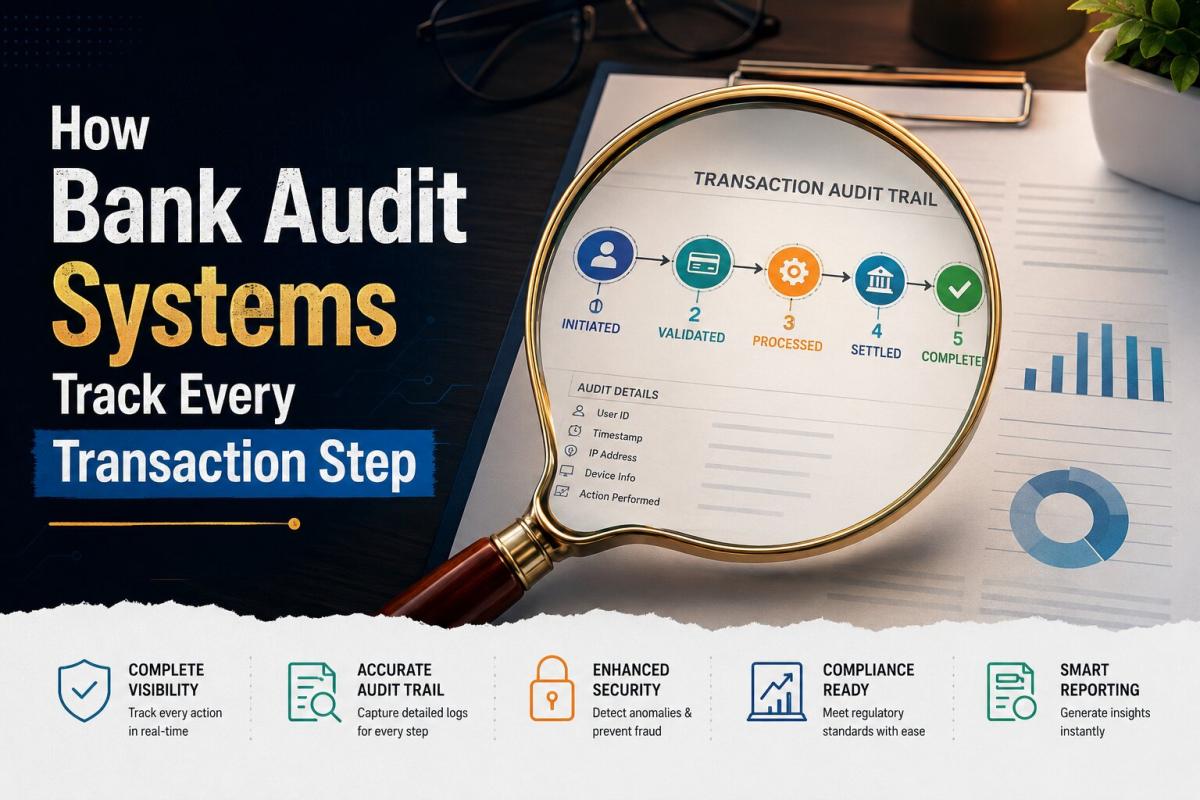
How Bank Audit Systems Track Every Transaction Step
Discover how bank audit systems track every transaction step using audit trails, real-time logging, and AI monitoring to ensure transparency, fraud detection, and regulatory compliance.
Priya Nair
Senior Compliance Editor at IFSC.co
Published on May 06, 2026
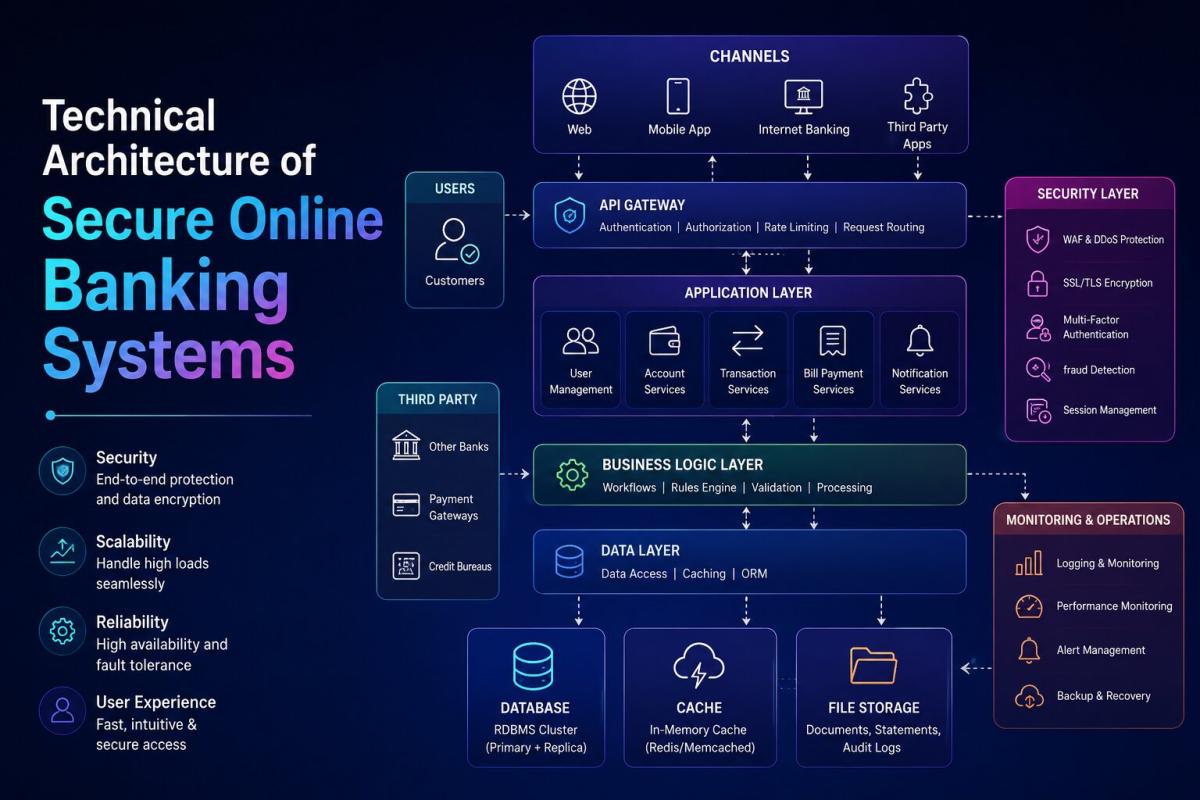
Technical Architecture of Secure Online Banking Systems
Explore the technical architecture of secure online banking systems, including layered security, encryption, authentication, APIs, and fraud detection that protect digital transactions.
Priya Nair
Senior Compliance Editor at IFSC.co
Published on Apr 28, 2026
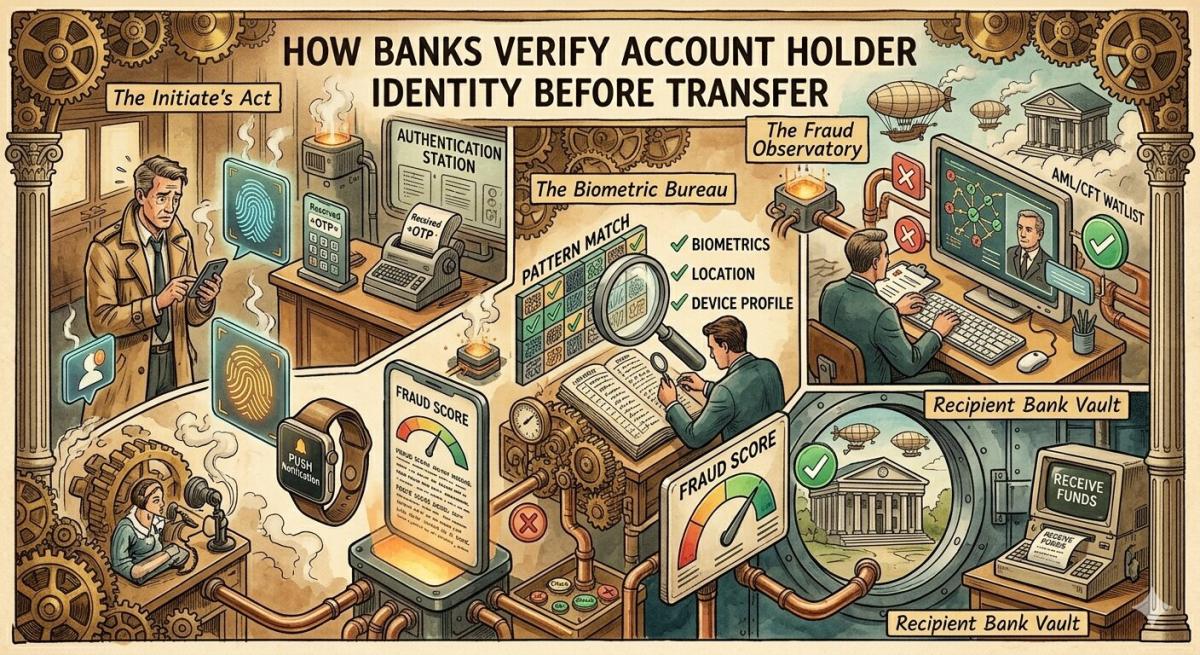
How Banks Verify Account Holder Identity Before Transfer
Learn how banks verify account holder identity before transfers using KYC, OTP, biometrics, and real-time fraud detection to ensure secure and compliant digital transactions.
Priya Nair
Senior Compliance Editor at IFSC.co
Published on Apr 28, 2026
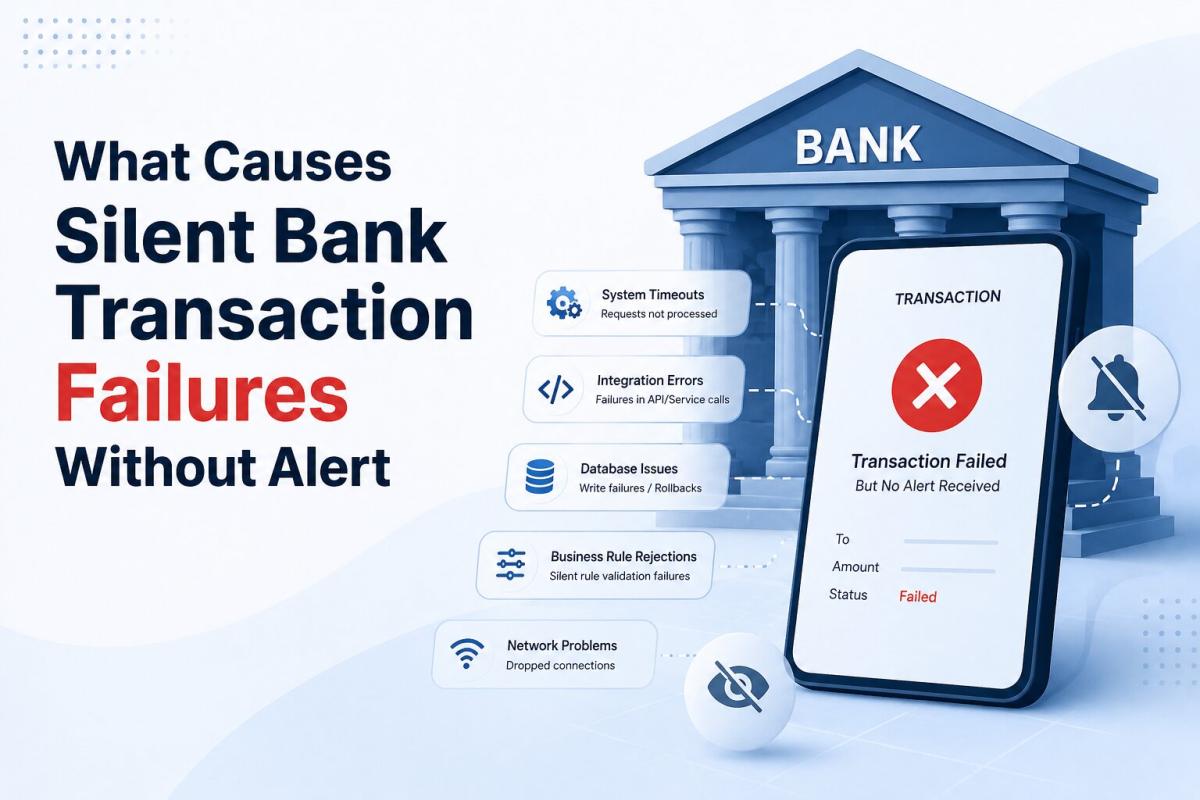
What Causes Silent Bank Transaction Failures Without Alert
Discover the key causes of silent bank transaction failures, including network timeouts, API issues, system delays, and how banks resolve these hidden payment errors.
Priya Nair
Senior Compliance Editor at IFSC.co
Published on Apr 28, 2026
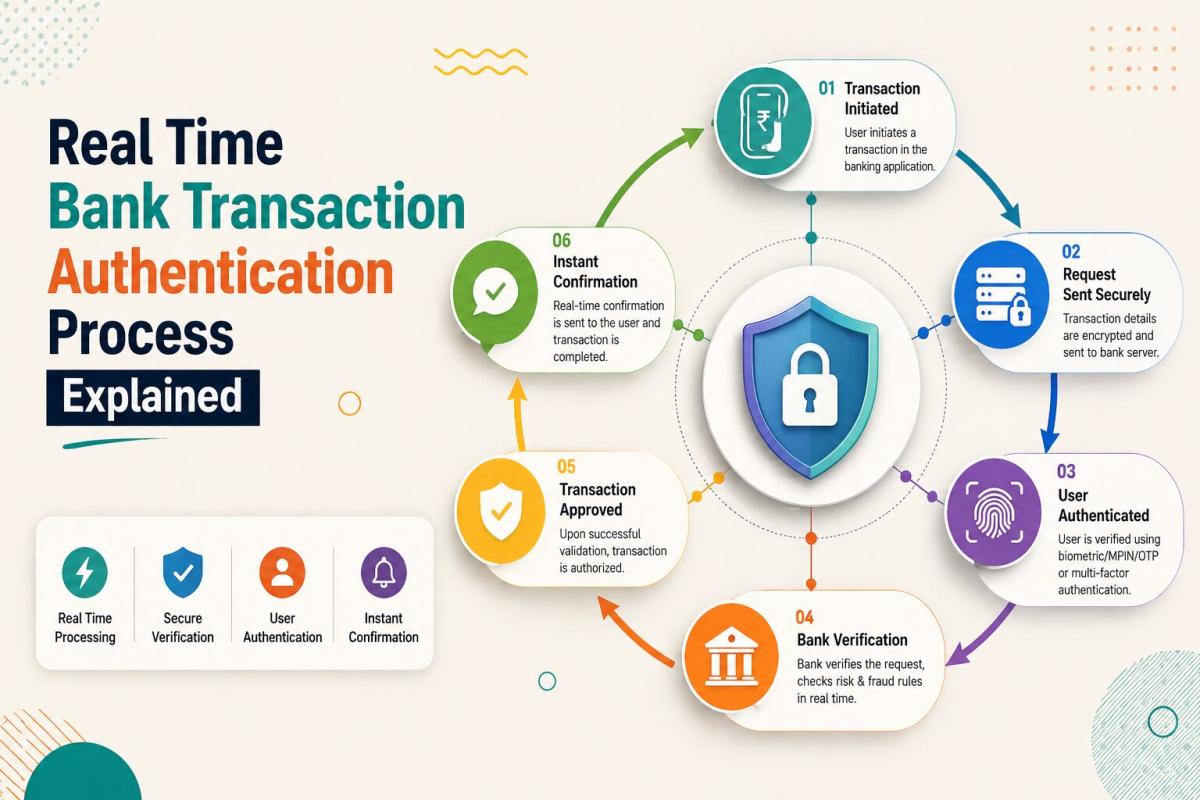
Real Time Bank Transaction Authentication Process Explained
Understand how real-time bank transaction authentication works using OTP, biometrics, encryption, and AI-driven fraud detection to secure digital payments instantly.
Priya Nair
Senior Compliance Editor at IFSC.co
calculate Financial Calculators
EMI Calculator
FD Calculator
GST Calculator
Lumpsum Calculator
Mutual Fund Returns Calculator
PPF Calculator
RD Calculator
SIP Calculator
SWP Calculator
article Latest Blog Posts
ELSS vs PPF vs NPS: Which Tax-Saving Investment Gives the Best Returns?
Compare ELSS vs PPF vs NPS to find the best tax-saving investment. Understand returns, lock-in periods, and features to choose what suits your goals.
SIP & Investing • 11 MINS READ
How to Start SIP with ₹500 Per Month: Beginner's Guide to Mutual Funds
Learn how to start a SIP with ₹500 per month in mutual funds. Simple beginner’s guide to investing, building wealth, and growing money with small steps.
SIP & Investing • 13 MINS READ
Senior Citizen FD Rates 2026: Which Banks Offer the Highest Interest?
Compare senior citizen FD rates in 2026 and find which banks offer the highest interest. Learn about returns, tenures, and tips to choose the best FD.
FD, PPF & Savings • 12 MINS READ
Sukanya Samriddhi Yojana (SSY): Interest Rate, Rules & Calculator Guide 2026
Learn about Sukanya Samriddhi Yojana (SSY) including eligibility criteria, required documentation, step by step application process, tax benefits explanation and comparison b/w SSY, PPF and FD
FD, PPF & Savings • 11 MINS READ
2 reasons why online banking is important in today’s COVID-19 situation
Discover why online banking became essential during COVID-19. Learn how digital banking ensured safety, convenience, and uninterrupted financial services.
Digital Banking • 4 MINS READ