Unmasking Financial Crime: How Banks Detect Suspicious Transaction Patterns
Learn how banks use behavioral analytics, AI, machine learning, transaction monitoring, and AML compliance to detect suspicious transaction patterns in 2026.
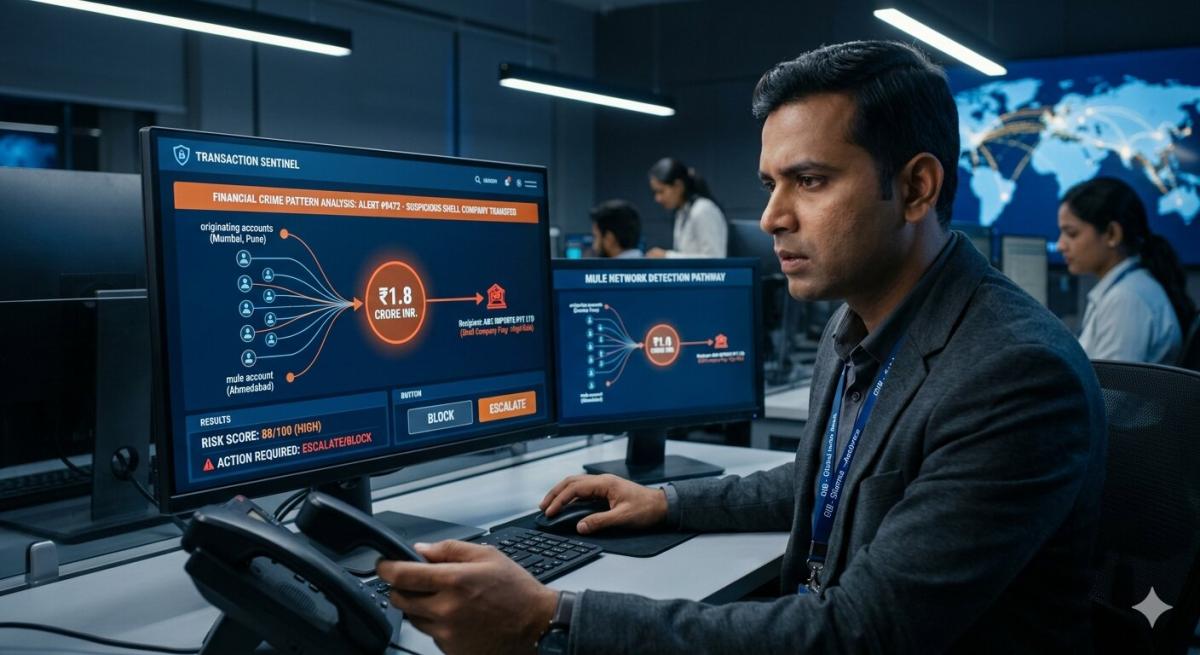
Table of Contents
Did you know that the United Nations Office on Drugs and Crime estimates that between 2% and 5% of global GDP, or $2-4 trillion, is laundered annually? That staggering figure underscores the relentless war financial institutions wage against illicit activities. It’s a complex, high-stakes game of cat and mouse, where the stakes are not just money, but also national security and public trust. Understanding how banks detect suspicious transaction patterns is crucial, not just for compliance officers, but for anyone who interacts with the modern financial system. Having spent over a decade observing and analyzing these sophisticated defense mechanisms, I can tell you it’s far more intricate than simply flagging large sums. It’s about spotting the subtle anomalies that betray illicit intent.
The Evolving Battlefield of Financial Crime
The landscape of financial crime has shifted dramatically over the past few decades. What once relied heavily on manual review and basic “red flag” lists has transformed into a sophisticated digital arms race. Early detection methods were often reactive, catching fraudsters after the fact, or relied on simple rules like “flag any transaction over $10,000.” While these rudimentary approaches offered a baseline, they were easily circumvented by cunning criminals who understood the thresholds and limitations, often structuring transactions to fly under the radar.
Today, banks face a far more insidious and technologically advanced adversary. Organized crime syndicates, cybercriminals, and even state-sponsored actors employ cutting-edge techniques to obscure their tracks. This reality has forced banks to invest heavily in proactive, predictive technologies, moving beyond simple rule sets to embrace artificial intelligence, machine learning, and vast data analytics capabilities. It’s no longer just about catching a criminal; it’s about anticipating their next move and fortifying defenses before new threats fully materialize.
Behavioral Analytics: The Digital Fingerprint
At the heart of modern suspicious transaction detection lies behavioral analytics. Banks meticulously build comprehensive profiles of each customer’s “normal” financial behavior. This involves analyzing everything from typical transaction amounts, frequencies, and counterparties to geographic locations of spending and even the specific times of day transactions usually occur. This baseline becomes a unique digital fingerprint, allowing the system to understand what constitutes a regular pattern for that individual or business.
Once a baseline is established, any significant deviation triggers an alert for further investigation. Imagine a customer who typically makes small, local purchases suddenly initiating a large, international wire transfer to a high-risk jurisdiction, or a business that usually has consistent monthly payroll suddenly showing erratic, high-value transfers to obscure accounts. These are the kinds of anomalies that sophisticated systems are designed to catch, understanding that genuine financial activity usually follows a predictable rhythm, even with occasional legitimate fluctuations.
The Power of Peer Group Analysis
Beyond individual behavior, banks also leverage the power of peer group analysis. This technique involves comparing a customer’s activities not just against their own historical patterns, but also against the aggregated behavior of similar customers. For instance, if a small, local bakery suddenly starts receiving large, international payments from a country unrelated to its typical supply chain, this might be flagged. The system understands what “normal” looks like for bakeries of a similar size and location, adding another powerful layer to anomaly detection.
Sophisticated Transaction Monitoring Systems
Modern transaction monitoring systems are the central nervous system of a bank’s fraud and money laundering detection efforts. These platforms work in real-time, sifting through millions of transactions daily, looking for patterns that might indicate illicit activity. While older systems relied on rigid, pre-defined rules (e.g., “flag all transactions over $50,000”), today’s systems incorporate far more nuanced logic, often combining hundreds of rules with advanced statistical models.
The true game-changer has been the integration of Artificial Intelligence (AI) and Machine Learning (ML). Unlike static rules, AI/ML models can learn from vast datasets, identify complex, non-obvious correlations, and even adapt to new fraud typologies as they emerge. These intelligent systems can spot subtle links between seemingly unrelated transactions, identify networks of suspicious activity, and predict potential fraud vectors with remarkable accuracy, making them indispensable in the ongoing fight against financial crime.
The Crucial Role of Data and Collaboration
No system, however sophisticated, can function effectively without high-quality, comprehensive data. Banks process an unimaginable volume of information daily, and integrating this data from various internal and external sources is paramount. This includes everything from customer demographics and account histories to transaction details, IP addresses, and even social media activity in some cases, all anonymized and aggregated to build a holistic view of potential risks. The sheer scale demands robust data infrastructure.
Furthermore, the fight against financial crime is not a solo endeavor. Banks actively collaborate with each other, law enforcement agencies, and regulatory bodies like the Financial Crimes Enforcement Network (FinCEN) to share intelligence and best practices. This collective effort allows institutions to identify emerging threats more quickly and disrupt criminal networks that operate across multiple banks and jurisdictions. Information sharing, within strict legal frameworks, is an invaluable tool in fortifying the entire financial ecosystem against illicit actors, and will be even more critical by 2026. You can learn more about FinCEN’s efforts at fincen.gov.
Regulatory Compliance and Future Outlook
The pressure on banks to detect suspicious transactions is intensified by stringent regulatory frameworks, particularly Anti-Money Laundering (AML) and Know Your Customer (KYC) directives. Regulators worldwide impose hefty fines and reputational damage for compliance failures, making robust detection systems not just good practice, but a legal imperative. These regulations are constantly evolving, with new guidelines expected to further refine expectations for financial institutions by 2026, pushing the boundaries of what’s considered acceptable in transaction monitoring.
Looking ahead, the future of detecting suspicious transactions will likely involve even more predictive AI, leveraging technologies like graph analytics to visualize complex criminal networks, and potentially integrating blockchain analysis as digital assets become more mainstream. The human element, however, will remain irreplaceable. Skilled analysts will continue to interpret alerts, conduct in-depth investigations, and make nuanced judgments that AI alone cannot. The blend of advanced technology and expert human insight will continue to be the strongest defense against evolving financial threats. For deeper insights into regulatory developments, resources like the Office of the Comptroller of the Currency (OCC) website are invaluable.
Key Takeaways
- Behavioral Analytics is Key: Banks establish a “normal” financial profile for each customer, flagging any significant deviations as potentially suspicious.
- AI and Machine Learning are Game-Changers: These advanced technologies identify complex, non-obvious patterns and adapt to new fraud typologies that traditional rule-based systems often miss.
- Data Integration and Collaboration are Crucial: Effective detection relies on high-quality, comprehensive data from various sources and intelligence sharing among financial institutions and law enforcement.
- Regulatory Pressure Drives Innovation: Stringent AML and KYC regulations compel banks to continuously enhance their detection capabilities, with ongoing updates and expectations, including those anticipated for 2026.
Frequently Asked Questions
What is the difference between fraud detection and money laundering detection?
While often intertwined, fraud detection typically focuses on protecting the bank and its customers from direct financial losses due to scams, identity theft, or unauthorized transactions. Money laundering detection, on the other hand, aims to identify activities that attempt to disguise the illicit origins of funds, often involving multiple complex transactions, to comply with Anti-Money Laundering (AML) regulations.
How long does it take for a bank to investigate a suspicious transaction?
The investigation timeline can vary significantly. Simple anomalies might be resolved within hours or days by automated systems or initial human review. More complex cases, especially those involving multiple accounts, jurisdictions, or requiring additional documentation, can take weeks or even months. Banks are legally obligated to conduct thorough investigations and report confirmed suspicious activity to regulatory bodies.
Can my legitimate transactions be flagged as suspicious?
Absolutely, it happens. If your transaction patterns suddenly change significantly – perhaps a large, unexpected transfer, frequent international payments, or high-value purchases outside your usual spending habits – it might trigger an alert. Banks often reach out to customers to verify such transactions, which is a necessary step in distinguishing legitimate activity from potential illicit acts. It’s an inconvenience, but a vital part of security.
What should I do if my bank contacts me about a suspicious transaction?
If your bank contacts you, cooperate fully and provide any requested information or documentation. Be cautious, though; always verify the legitimacy of the contact by calling your bank directly using a number from their official website or the back of your card, rather than replying to an email or clicking links. This prevents falling victim to phishing scams designed to mimic bank communications.
Conclusion
The world of financial transactions is a bustling, complex ecosystem, and the mechanisms banks employ to detect suspicious patterns are a testament to human ingenuity and technological advancement. From profiling individual behaviors to harnessing the power of AI and fostering global collaboration, the fight against financial crime is a dynamic, ongoing battle. As technology evolves, so too will the methods of detection, ensuring that our financial systems remain robust, secure, and trustworthy for legitimate commerce, while making it increasingly difficult for illicit actors to thrive. It’s a continuous commitment to safeguarding the integrity of our global economy.
Related Blogs
Published on May 06, 2026
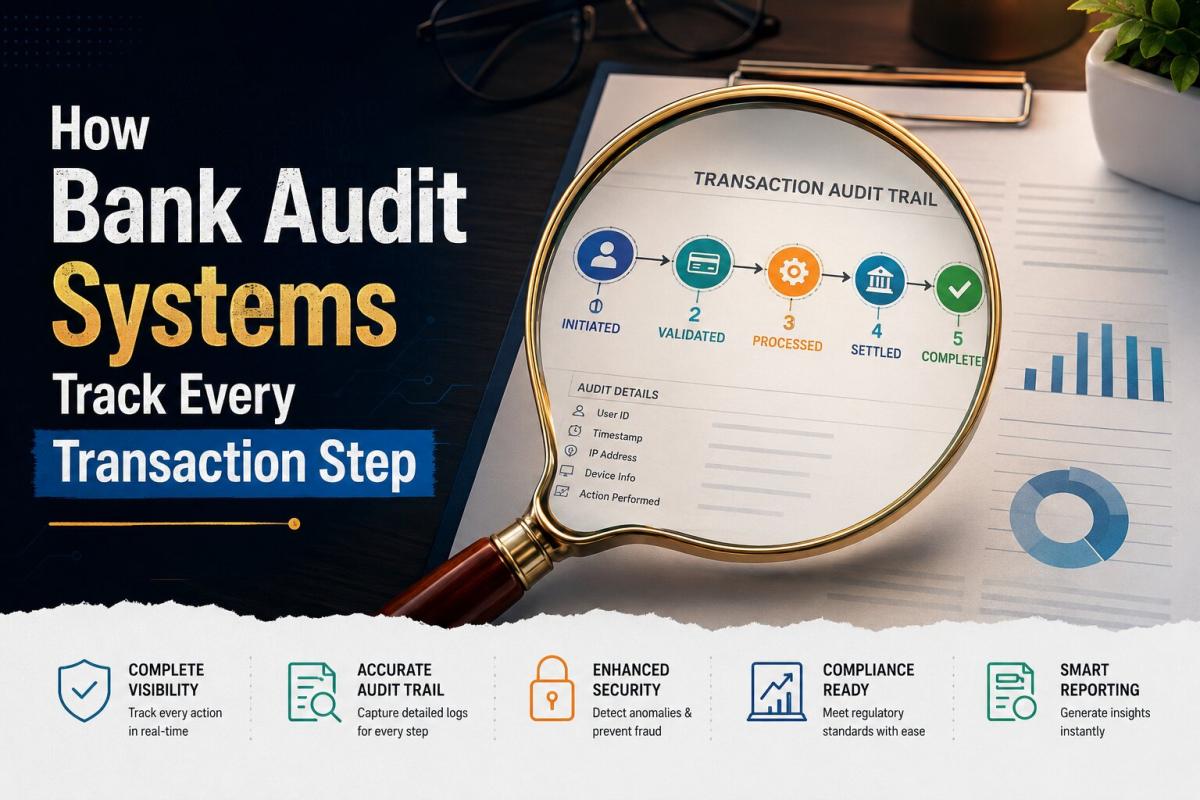
How Bank Audit Systems Track Every Transaction Step
Discover how bank audit systems track every transaction step using audit trails, real-time logging, and AI monitoring to ensure transparency, fraud detection, and regulatory compliance.
Priya Nair
Senior Compliance Editor at IFSC.co
Published on May 06, 2026
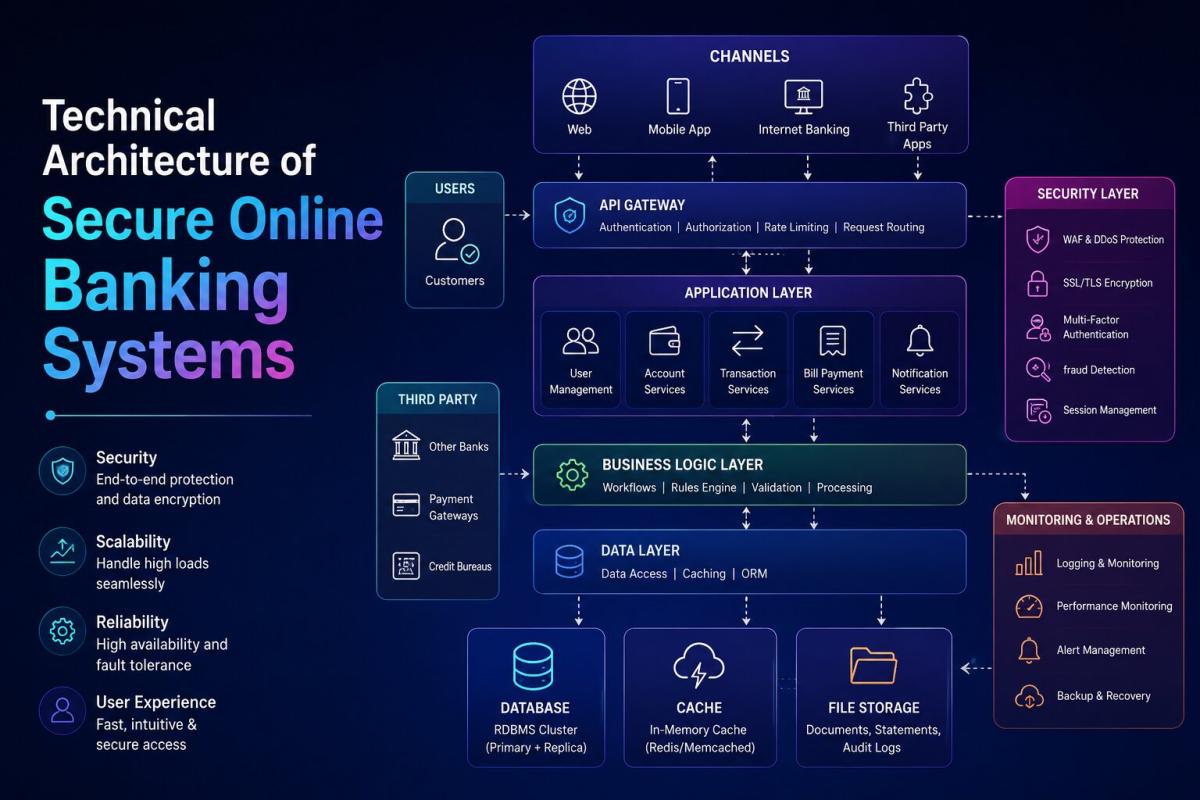
Technical Architecture of Secure Online Banking Systems
Explore the technical architecture of secure online banking systems, including layered security, encryption, authentication, APIs, and fraud detection that protect digital transactions.
Priya Nair
Senior Compliance Editor at IFSC.co
Published on Apr 28, 2026
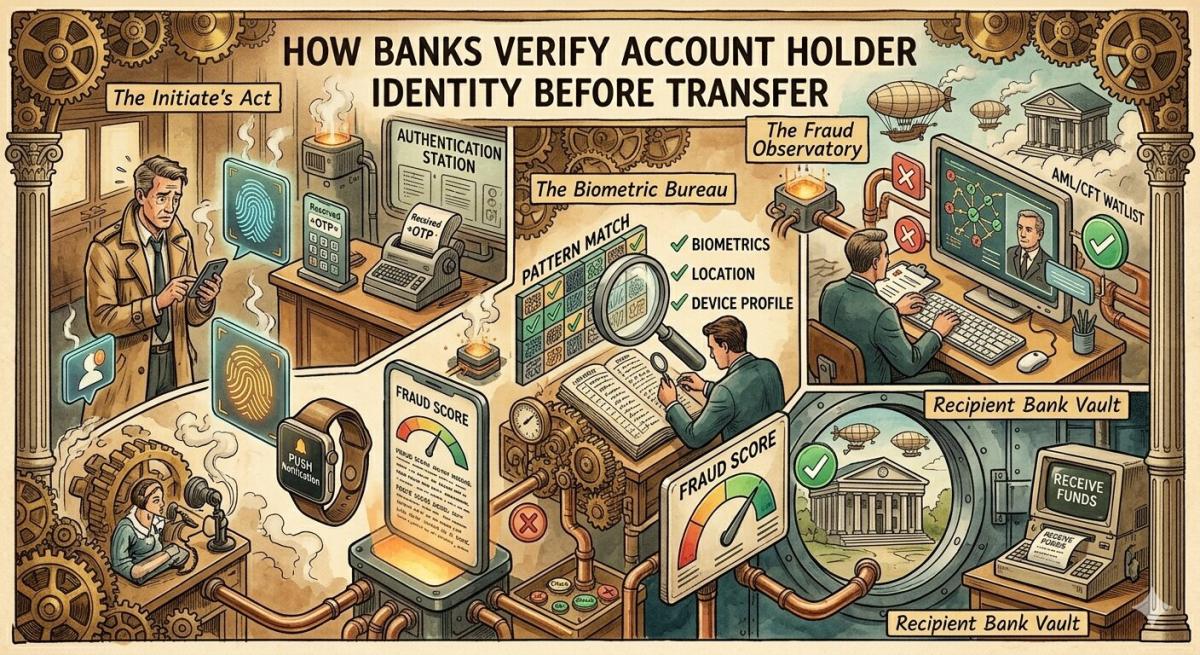
How Banks Verify Account Holder Identity Before Transfer
Learn how banks verify account holder identity before transfers using KYC, OTP, biometrics, and real-time fraud detection to ensure secure and compliant digital transactions.
Priya Nair
Senior Compliance Editor at IFSC.co
Published on Apr 28, 2026
What Causes Silent Bank Transaction Failures Without Alert
Discover the key causes of silent bank transaction failures, including network timeouts, API issues, system delays, and how banks resolve these hidden payment errors.
Priya Nair
Senior Compliance Editor at IFSC.co
Published on Apr 28, 2026
Real Time Bank Transaction Authentication Process Explained
Understand how real-time bank transaction authentication works using OTP, biometrics, encryption, and AI-driven fraud detection to secure digital payments instantly.
Priya Nair
Senior Compliance Editor at IFSC.co
calculate Financial Calculators
EMI Calculator
FD Calculator
GST Calculator
Lumpsum Calculator
Mutual Fund Returns Calculator
PPF Calculator
RD Calculator
SIP Calculator
SWP Calculator
article Latest Blog Posts
ELSS vs PPF vs NPS: Which Tax-Saving Investment Gives the Best Returns?
Compare ELSS vs PPF vs NPS to find the best tax-saving investment. Understand returns, lock-in periods, and features to choose what suits your goals.
SIP & Investing • 11 MINS READ
How to Start SIP with ₹500 Per Month: Beginner's Guide to Mutual Funds
Learn how to start a SIP with ₹500 per month in mutual funds. Simple beginner’s guide to investing, building wealth, and growing money with small steps.
SIP & Investing • 13 MINS READ
Senior Citizen FD Rates 2026: Which Banks Offer the Highest Interest?
Compare senior citizen FD rates in 2026 and find which banks offer the highest interest. Learn about returns, tenures, and tips to choose the best FD.
FD, PPF & Savings • 12 MINS READ
Sukanya Samriddhi Yojana (SSY): Interest Rate, Rules & Calculator Guide 2026
Learn about Sukanya Samriddhi Yojana (SSY) including eligibility criteria, required documentation, step by step application process, tax benefits explanation and comparison b/w SSY, PPF and FD
FD, PPF & Savings • 11 MINS READ
2 reasons why online banking is important in today’s COVID-19 situation
Discover why online banking became essential during COVID-19. Learn how digital banking ensured safety, convenience, and uninterrupted financial services.
Digital Banking • 4 MINS READ